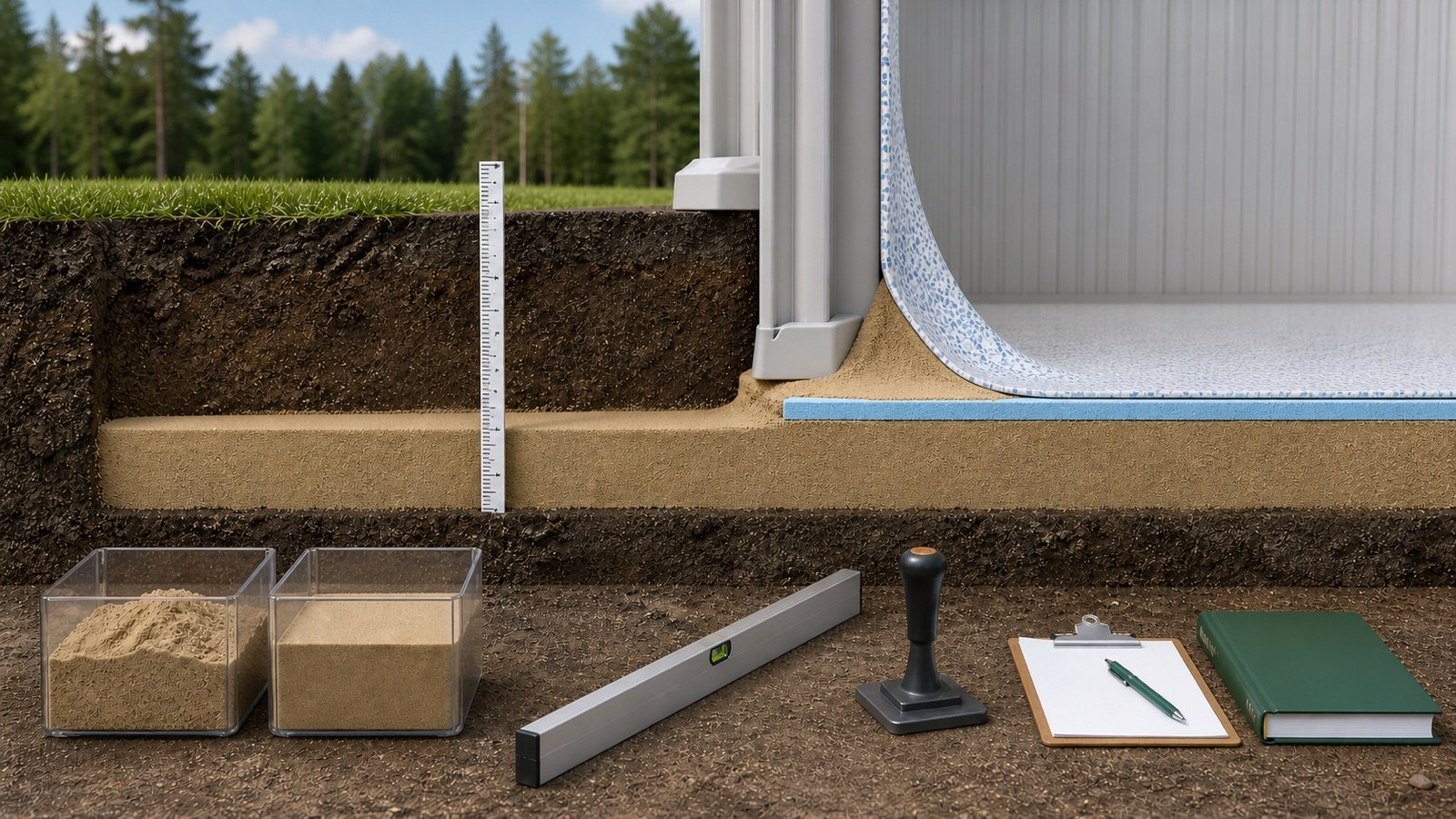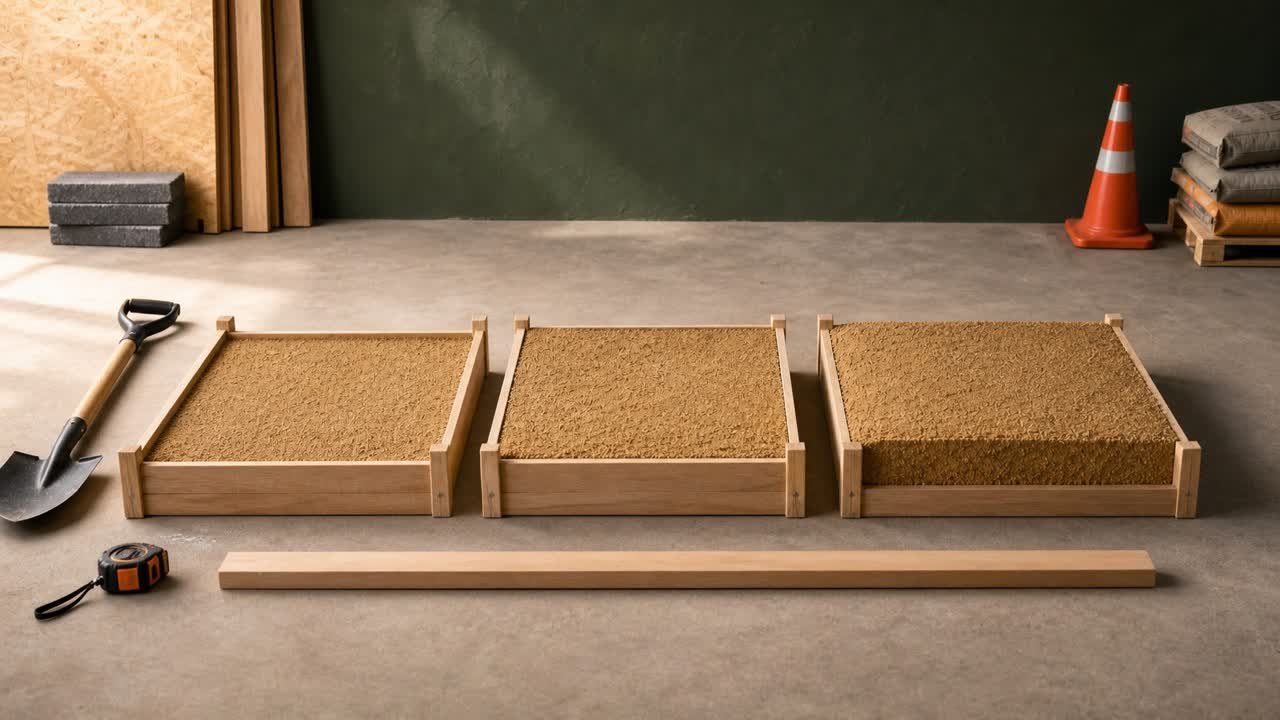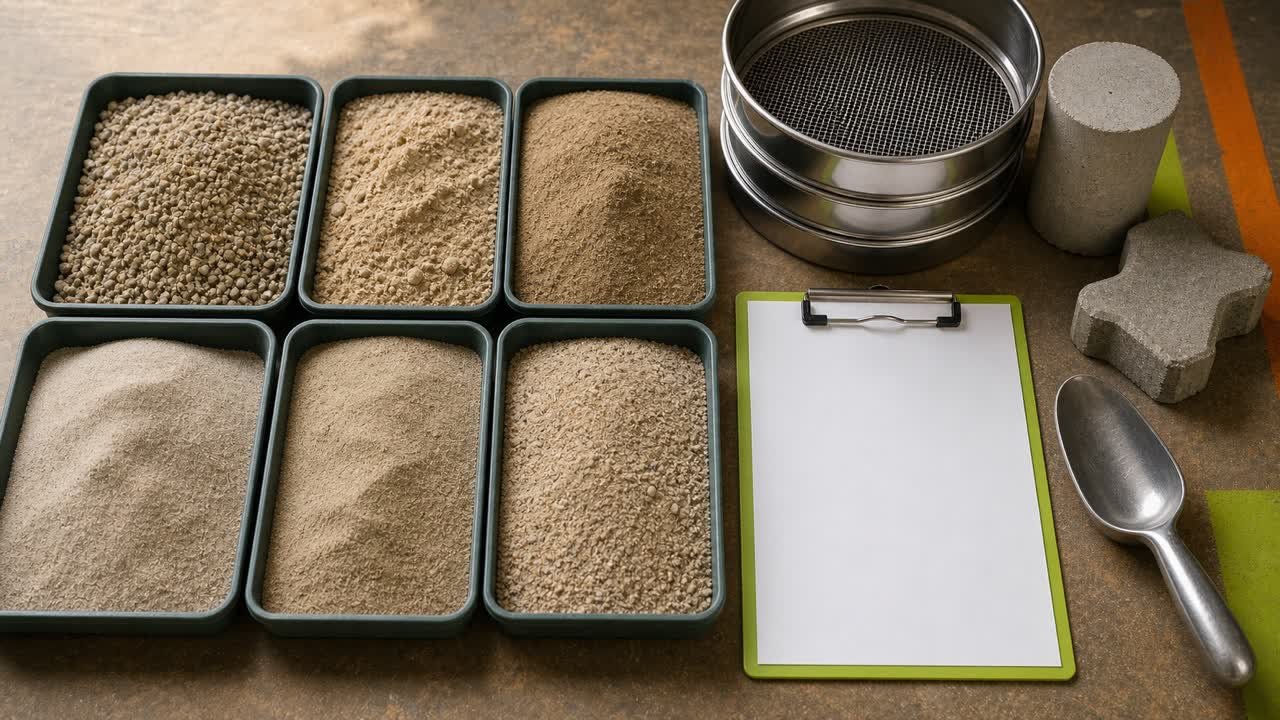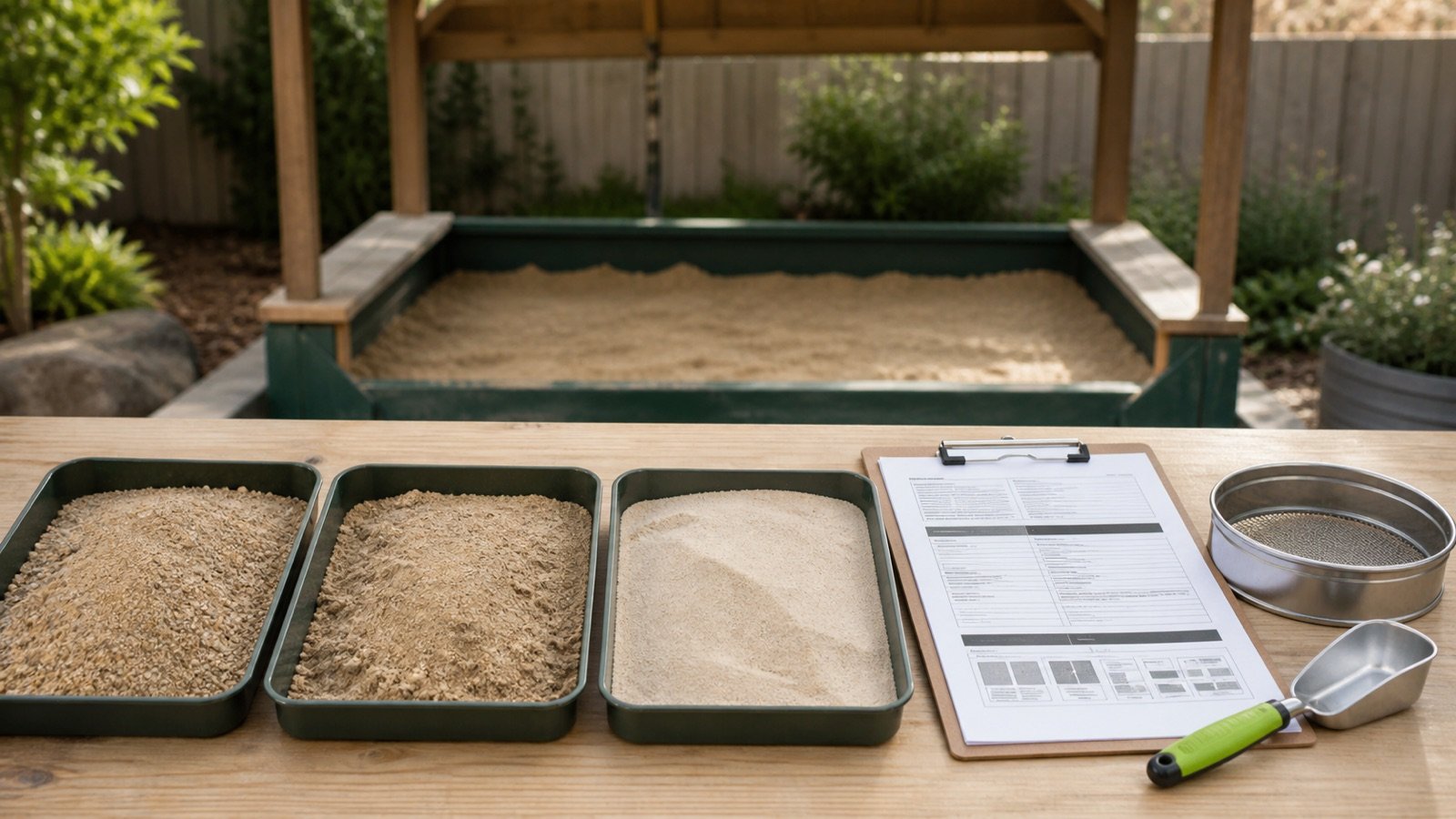
An existing sandbox seldom needs its full first-fill quantity again. Sand may sit below the accepted fill line because some left the box, moved into one corner or was removed during maintenance.
Measure the material that remains before buying a refill. Keep the quantity check separate from the condition decision, since adding clean sand does not resolve contamination, standing water, a damaged liner or an unidentified existing material.
How much play sand should you add to top up a sandbox?
Add the geometric volume between the current sand surface and the accepted fill line. For a level rectangular box, multiply the inside open area by the missing depth. For an uneven surface, split the box into zones and total each positive deficit.
Convert that unrounded volume with the current yield for the exact refill product. A fixed percentage, calendar interval or bag count cannot replace the measurement.
Use the same base and fill-line reference for the target and current depth. Set a zone with no deficit to zero unless the work plan moves accepted sand from that zone before the final readings.
Which fill line should control the refill?
Use the depth mark, stated capacity or fill instruction for the exact sandbox model. Action Play Systems, for example, places sand-depth guide marks toward the inside and gives a 4 to 6 in minimum fill instruction for its named kits. That value belongs to those kits.
A custom sandbox needs a documented target that fits its usable wall height, seats, cover, drainage arrangement and intended use. The sandbox fill-depth guide explains how to record that decision without transferring a model instruction or public-playground surfacing depth to another box.
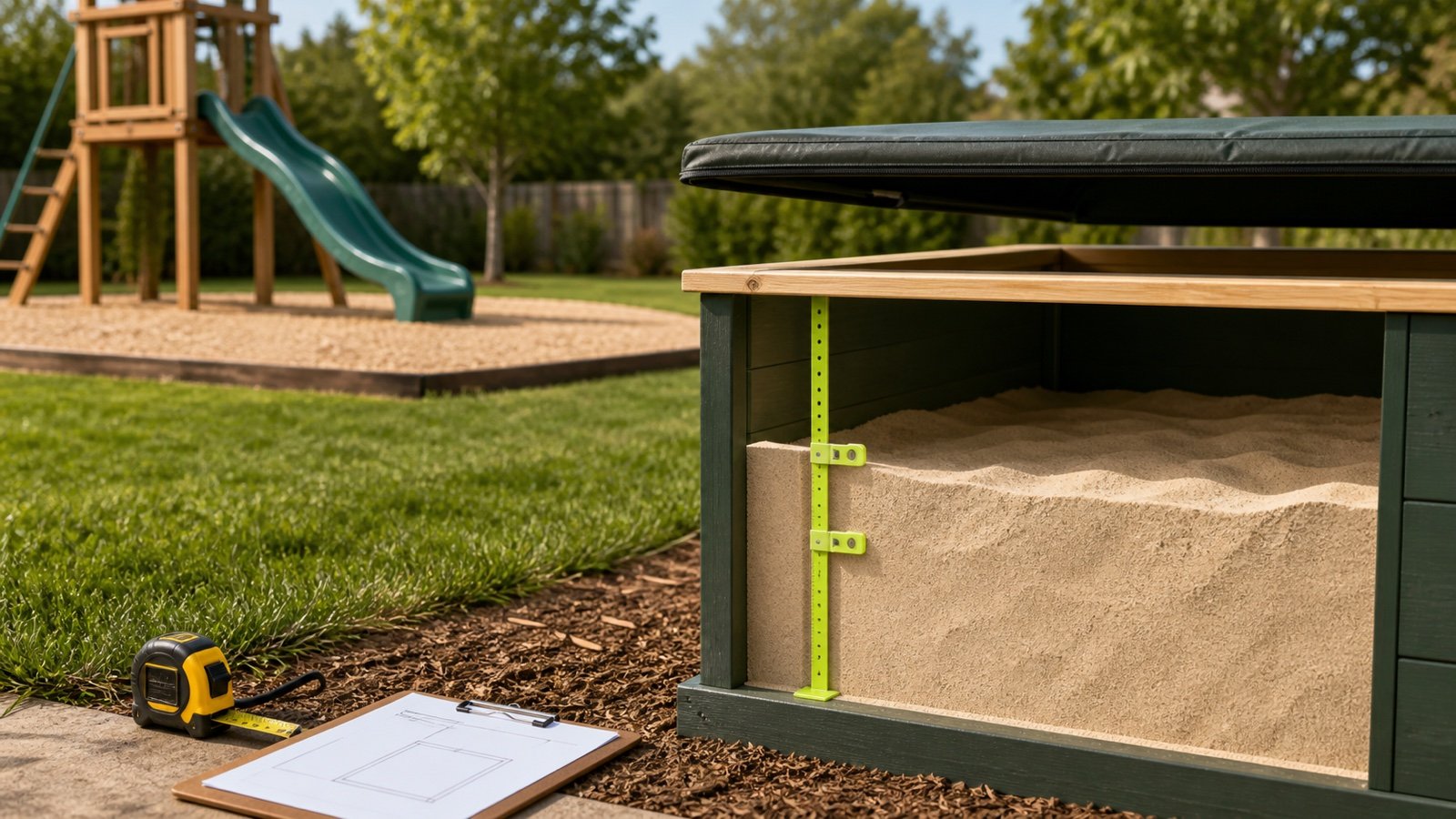
Mark one stable reference line on each wall or keep a dimensioned sketch. Measure current depth from the same base or reference surface used to establish that line.
What should you check before measuring the sand deficit?
Inspect the box, cover, liner, drainage and sand condition before a quantity calculation. Stop the order when the existing material or container needs a separate condition decision.
| Observation | Quantity action | Next check |
|---|---|---|
| Known accepted sand, sound box and clear fill line | Measure the deficit | Confirm the exact refill product and yield |
| Sand piled in one area | Redistribute the accepted sand when the maintenance plan permits, then measure again | Keep a zone worksheet if the surface remains uneven |
| Wet sand or standing water | Pause the top-up | Follow the sandbox and product instructions; resolve drainage and condition before ordering |
| Animal waste, sharp debris or an unknown contaminant | Do not bury it with fresh sand | Follow the responsible adult, facility and local health process for removal or replacement |
| Torn liner, open joint or damaged wall | Pause the quantity | Repair or replace the affected component and confirm the final inside boundary |
| Unknown existing sand | Do not assume product compatibility | Identify the material or choose a documented removal and refill plan |
The American Academy of Pediatrics page checked for this guide says to cover a backyard sandbox when it is not in use, let wet sand dry before covering, rake out debris and keep pets out. That page was last updated on December 21, 2012, so use it for those stated maintenance points and check current product, sandbox and local requirements for the rest.
How do you measure current sandbox depth?
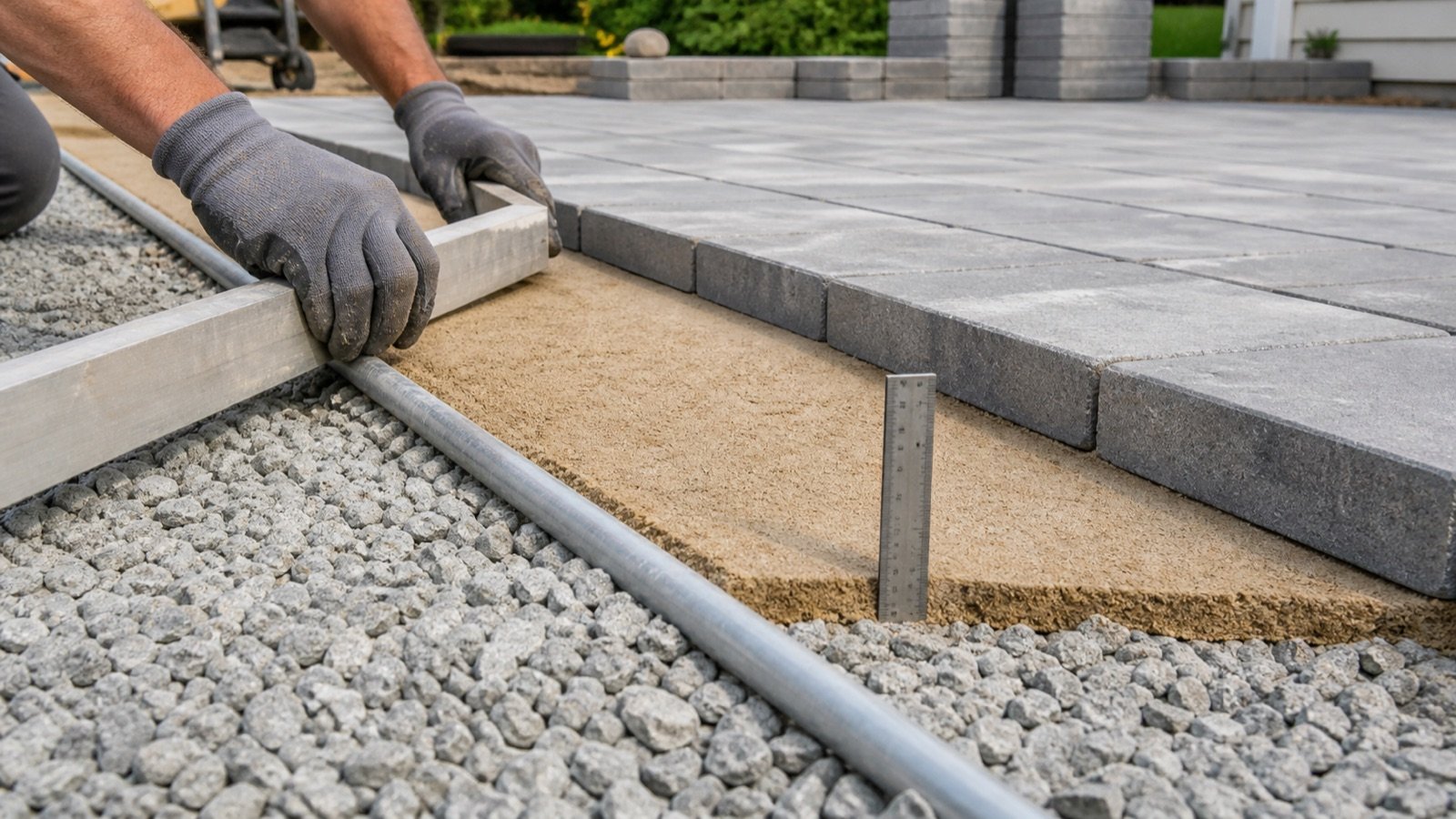
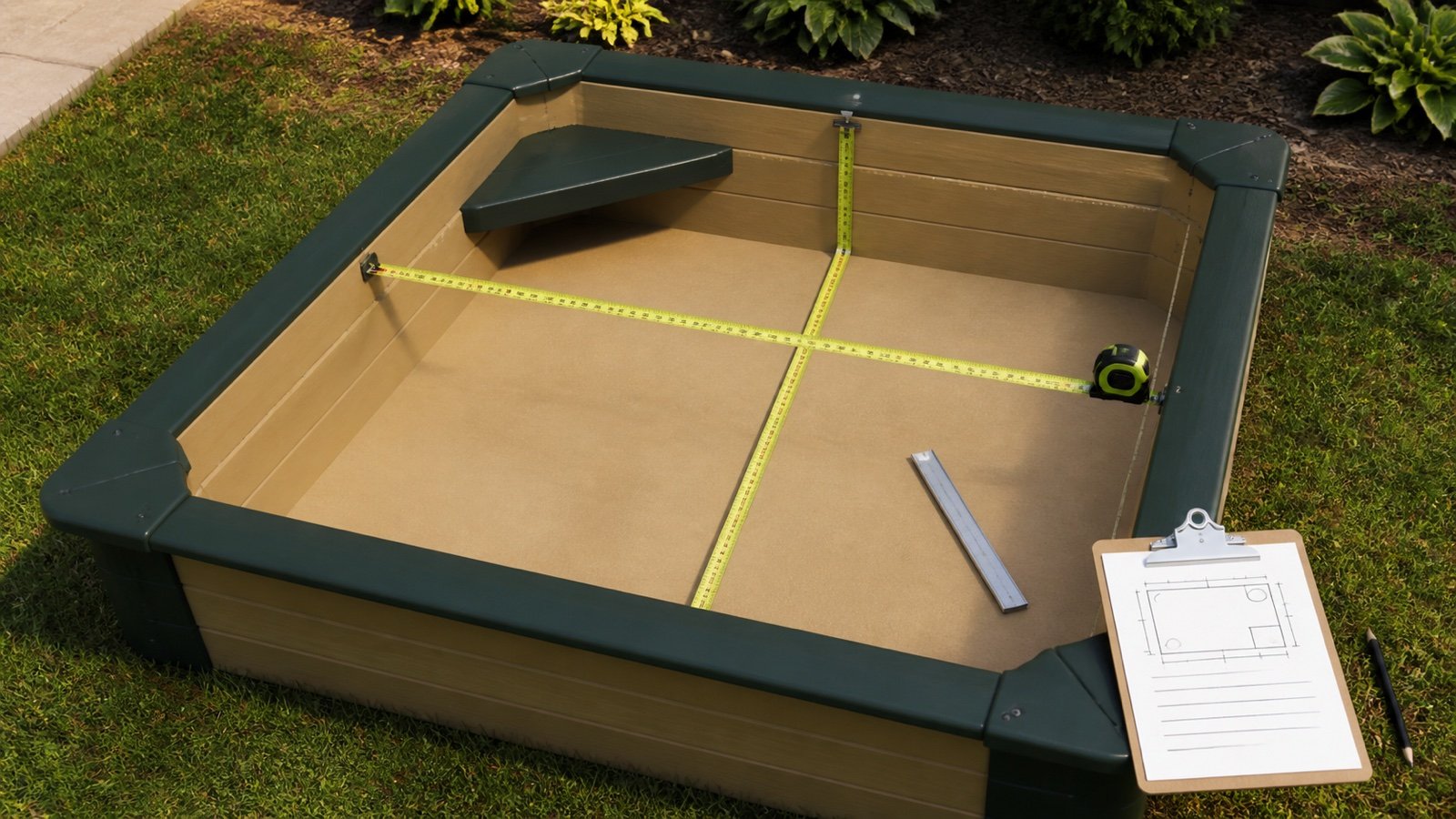
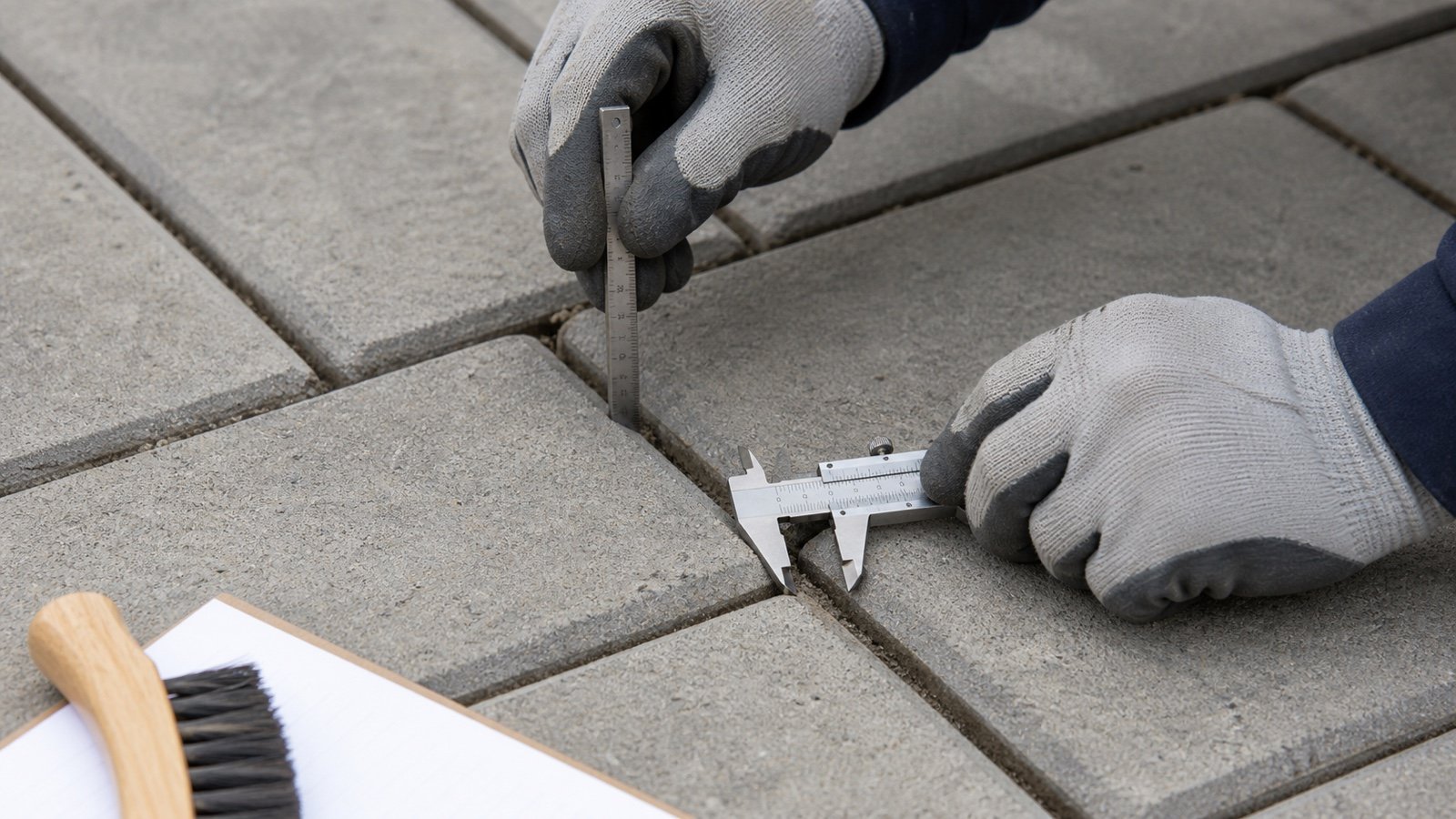
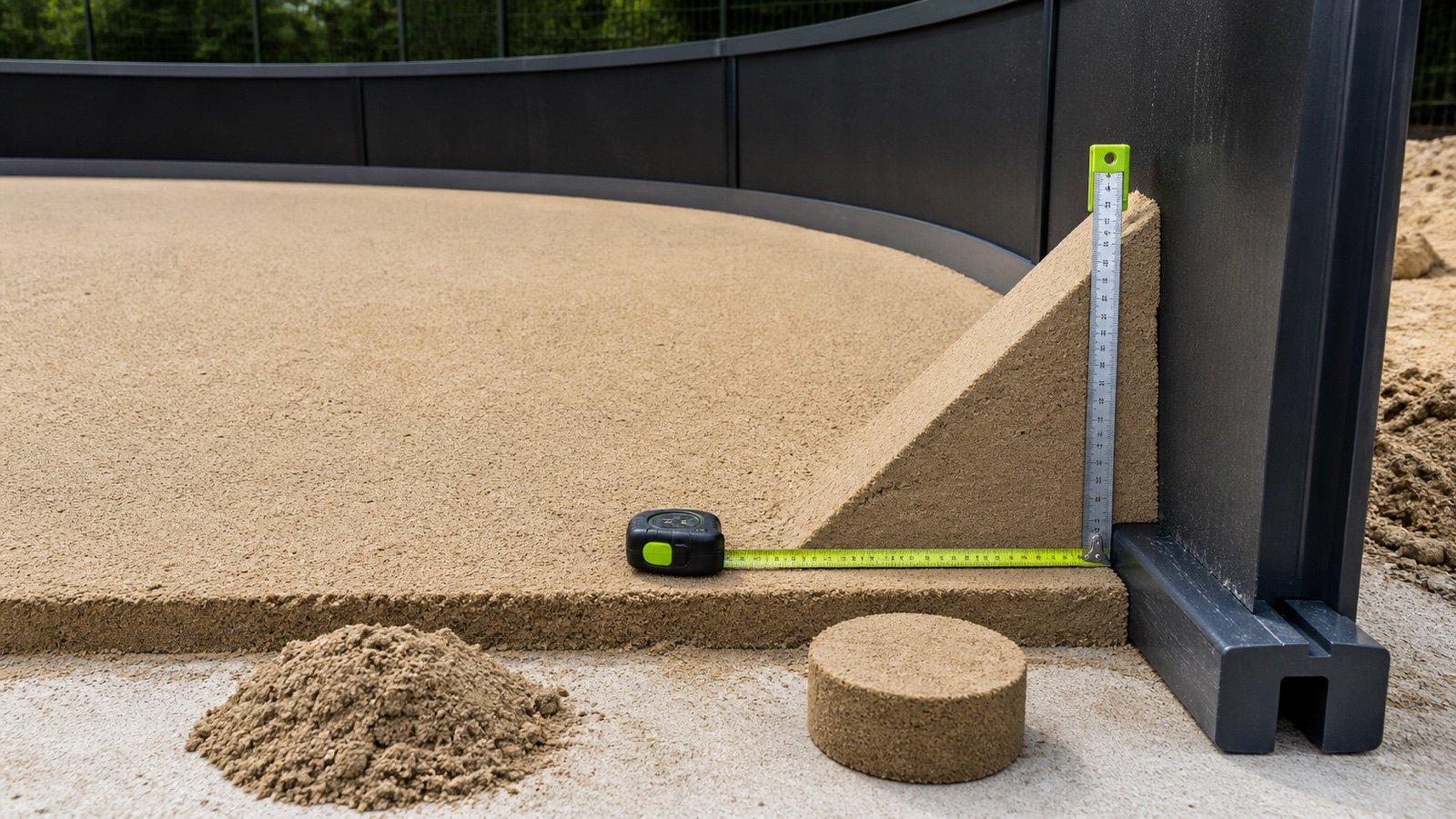
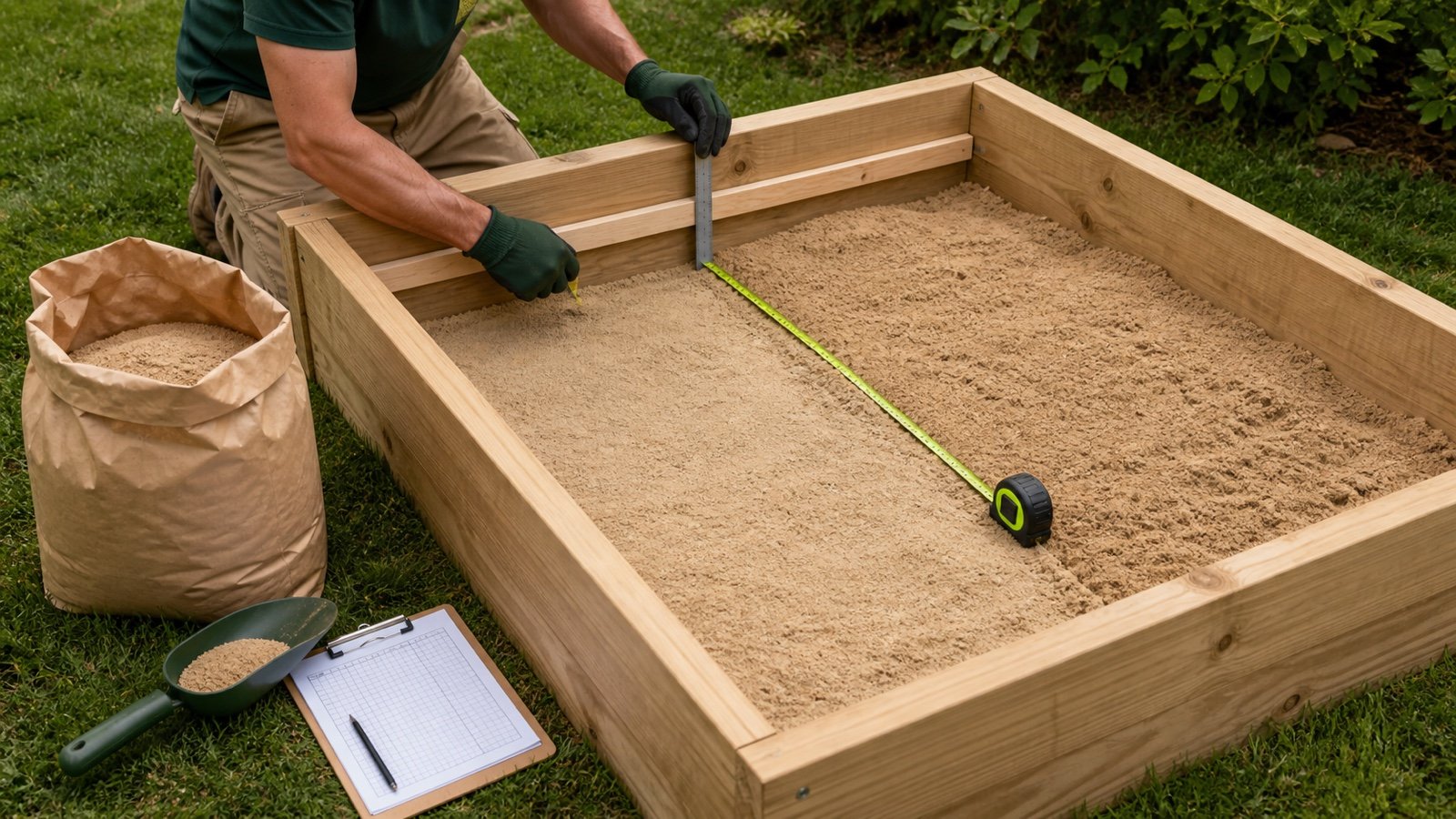
Take readings across the usable sand footprint instead of measuring one convenient corner. Use a straight rule held from the known base or another fixed reference. Keep the tool vertical and record every location.
- Remove toys and loose surface debris under the applicable maintenance procedure.
- Redistribute high piles when the material has passed the condition check and the intended final surface is level.
- Sketch the open sand footprint and exclude fixed seats, steps or dividers from the measured zones.
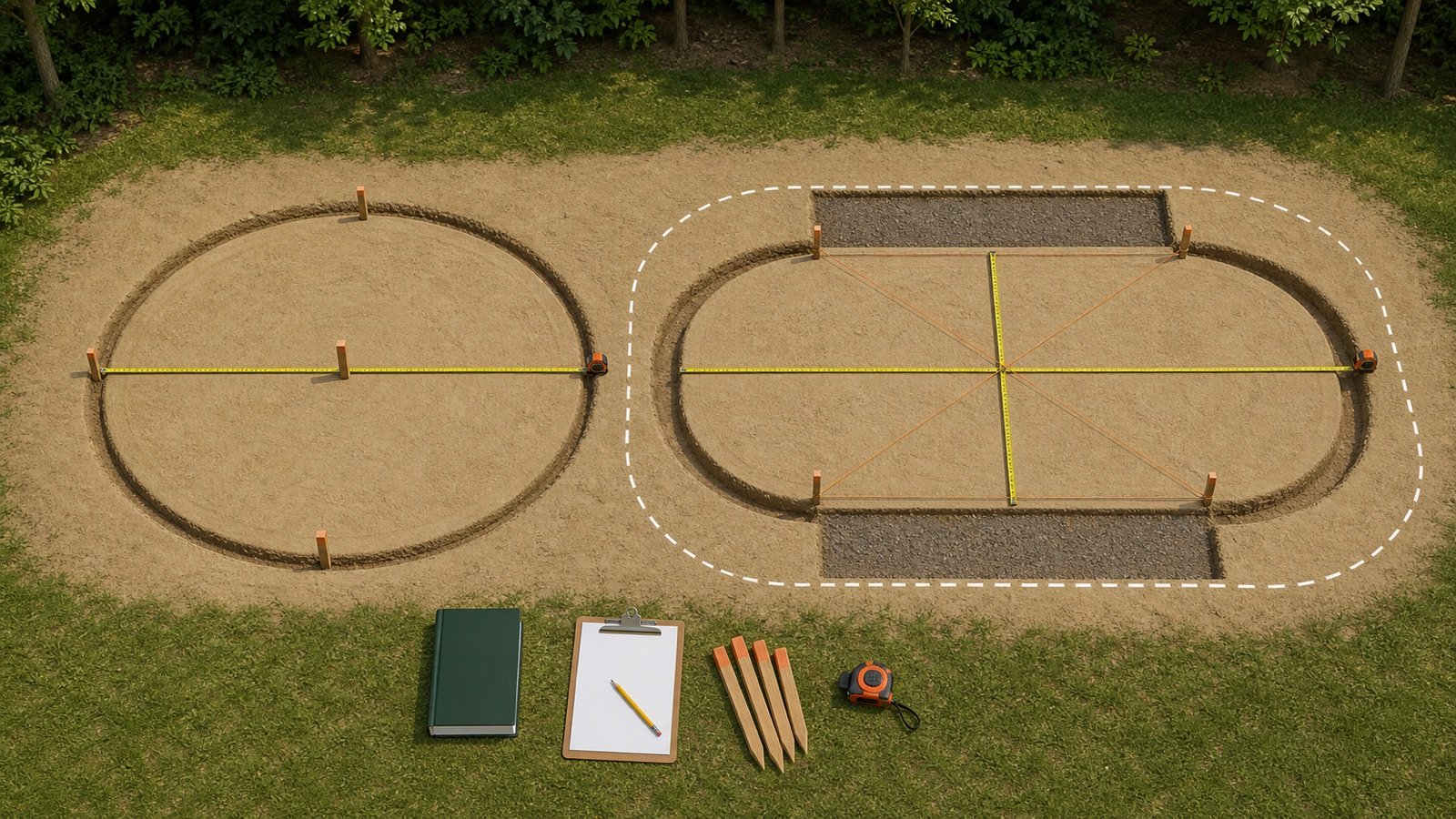
- Divide a large or uneven box into rectangles, circles or measured custom areas.
- Take several depth readings in each zone, including visible high and low areas.
- Choose a representative current depth for each zone and retain the raw readings.
- Measure the gap to the accepted fill line from the same reference.
The sandbox measurement guide covers inside dimensions, curved footprints, built-in displacement and moulded boxes. Repeat its inside-boundary record if a repair or new divider changed the usable footprint.
What formula calculates sandbox top-up volume?
Calculate one non-negative deficit for each zone. Keep all lengths in feet for cubic feet or metres for cubic metres.
Zone depth deficit = max(target depth - current representative depth, 0)
Zone top-up volume = open zone area × zone depth deficit
Total top-up volume = sum of all zone top-up volumes
A rectangular zone uses length × width for area. A circular zone uses π × radius². Divide inches by 12 before multiplying feet. NIST Handbook 44 Appendix C states that 12 in equals 1 ft, 27 ft³ equals 1 yd³ and 1 m³ equals 1,000 L.
Do not average depth across unlike zones before calculating volume. Area-weighted volumes preserve the size of each high or low section.
Worked example: a level 4 ft by 4 ft sandbox
A rectangular sandbox has a 4 ft by 4 ft open footprint. Its accepted fill line is 4 in above the base. After the permitted redistribution step, the current depth averages 3.25 in.
| Step | Calculation | Result |
|---|---|---|
| Open area | 4 ft × 4 ft | 16 ft² |
| Missing depth | 4 in - 3.25 in | 0.75 in |
| Missing depth in feet | 0.75 ÷ 12 | 0.0625 ft |
| Top-up volume | 16 × 0.0625 | 1.000 ft³ |
| Named 0.5 ft³ package example | 1.000 ÷ 0.5 | 2 whole packages |
The package line uses Sakrete Natural Play Sand's current 0.5 ft³ yield as a named example. Verify the bag and current manufacturer record at purchase. A different product may have another yield.
How do uneven zones change the refill?
Calculate each zone before combining the volumes. A high zone produces zero deficit unless accepted sand will be moved from it and the whole surface will be measured again.
A 4 ft by 6 ft sandbox is divided into two 4 ft by 3 ft zones. The accepted target is 5 in. Zone A measures 3 in and Zone B measures 4.5 in.
| Zone | Area | Positive deficit | Volume |
|---|---|---|---|
| A | 12 ft² | 2 in ÷ 12 | 2.000 ft³ |
| B | 12 ft² | 0.5 in ÷ 12 | 0.500 ft³ |
| Total | 2.500 ft³ | ||
A verified 0.5 ft³ package yield gives 5 packages. Rounding each zone separately would give the same result here, though it can overstate another job. Add the unrounded zone volumes first and round the final order.
How does the method work in metres and litres?
A 2.0 m by 1.2 m sandbox has 2.4 m² of open area. Its target is 0.12 m and its current representative depth is 0.09 m.
- Depth deficit: 0.12 - 0.09 = 0.03 m.
- Top-up volume: 2.4 × 0.03 = 0.072 m³.
- Volume in litres: 0.072 × 1,000 = 72 L.
Use a litre package yield only when the exact product states one. Do not divide 72 L by a package mass in kilograms without a supported density or mass-yield basis for that product and condition.
How should you convert the deficit into bags or a bulk order?
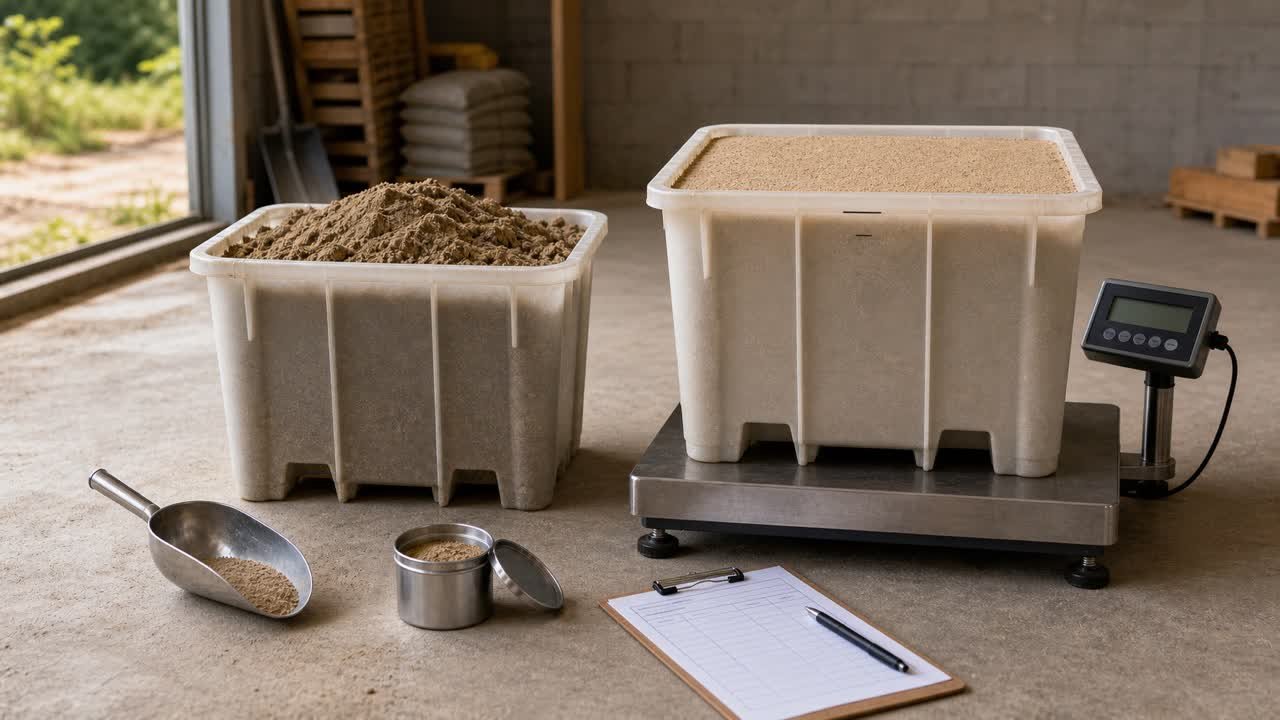
Match the refill volume to the selling unit. Use a current package yield for bags. For a bulk quote, record whether the supplier sells by loose volume or mass and which material condition applies.
Whole packages = round up(total order volume ÷ verified package yield)
Keep the geometric deficit, any documented handling adjustment and commercial rounding on separate lines. There is no source-backed universal top-up allowance for every sandbox. A cover, joint leakage, play pattern, transport method and storage plan can change the amount that leaves the box.
The sandbox sand-selection guide shows how to retain the product label, technical data sheet and SDS. The Sand Bags vs Bulk guide covers supplier increments and delivery records.
Do permanent seats and dividers need another deduction?
Unchanged built-in features often cancel from a deficit calculation because they occupy the same space at the current and target levels. Measure the open sand footprint around them and do not deduct the same feature again.
Recalculate the geometry when a seat, step, liner, drain, divider or buried play feature changed after the first fill. A new component can alter both open area and available depth. Record its dimensions in the worksheet before ordering.
How often should a sandbox receive a top-up?
Measure after a condition inspection, after a known material loss or when the surface sits below the accepted fill line. The reviewed primary sources do not establish one six-month top-up interval, annual replacement rule or percentage loss for every sandbox.
Time can trigger an inspection. The measured deficit and condition record control the quantity. A clean, covered box with little loss may need no added volume, while a damaged box can need repair or a separate material decision before any refill.
Which mistakes distort the refill quantity?
- Ordering the full first-fill volume for a box that still contains accepted sand.
- Measuring the outside wall dimensions instead of the open inside footprint.
- Using one corner reading for an uneven surface.
- Subtracting a high zone from a low zone when no redistribution will occur.
- Mixing inches and feet or centimetres and metres in one multiplication.
- Using package mass as package volume.
- Applying one brand's 0.5 ft³ yield to another product.
- Adding an unsupported settlement, waste or annual-loss percentage.
- Rounding each zone before the total volume is known.
- Covering a contaminant, drainage defect or torn liner with new material.
- Using a ground-level sandbox calculation to design impact surfacing under elevated equipment.
What belongs in the top-up record?
| Record field | Value to retain |
|---|---|
| Sandbox identity | Model, location, drawing or inside-boundary sketch |
| Inspection | Date, cover, drainage, liner, debris and unresolved condition |
| Target | Accepted fill line, source and reference surface |
| Current readings | Zone, area, sample points, raw depths and representative depth |
| Calculation | Positive deficit and unrounded volume by zone |
| Product | Manufacturer, product number, label, TDS, SDS and current yield |
| Order | Base volume, documented adjustment, selling increment and rounded total |
| Placement check | Actual packages or delivery quantity and final measured depth |
| Responsibility | Preparer, facility checker, external-review status and correction |
Enter the target depth and current refill volume as separate records. The current Play Sand Calculator calculates the full target volume and product-specific packages. For a top-up, use this worksheet's deficit volume as the volume that must be supplied, or rerun the calculator for both target and verified current geometry and subtract the unrounded volumes before package rounding.
Safety, facility and public-playground limits
Follow the current sandbox instructions, product label, technical data sheet and SDS during receipt and placement. Control dust and handling under those documents. Keep children away from the work area until the responsible adult or facility process accepts the box for use.
Licensed childcare settings, schools and public facilities may have inspection, sanitation, accessibility, procurement and local compliance duties. Check the current rule for the site's jurisdiction and operating licence.
CPSC's public-playground handbook treats ground-level sandboxes as a separate scope from protective surfacing beneath elevated equipment. This refill worksheet does not design fall protection, prove impact attenuation, approve a product or decide how contaminated material must be handled.
The calculation methodology explains formula and source checks. Report a quantity, source or display issue through the corrections route, or return to the Sand Material Planning hub.
Sources and source scope
- Action Play Systems Sandbox Install Guide: named-kit depth marks, fill instruction and cover setup.
- Sakrete Natural Play Sand and its technical data sheet: named sandbox use, rectangular volume method, 0.5 ft³ yield and product-document instructions.
- NIST Handbook 44, 2026, Appendix C: inch, foot, cubic-foot, cubic-yard, cubic-metre and litre relationships.
- American Academy of Pediatrics, Safety in the Sandbox: dated guidance on covers, wet-sand drying, debris raking and pets.
- CPSC Handbook for Public Playground Safety: public-playground scope distinction for ground-level sandboxes and protective surfacing.
Source scope: Action Play Systems supports its named kits. Sakrete supports its named product and published yield. NIST supports unit relationships. The AAP page supports its dated maintenance statements. CPSC supports the public-playground boundary. These sources do not create a universal refill interval, loss factor, density, replacement rule or product approval.
Review note: Saleem Sial owns the research and editorial record. Live SERP review, source retrieval, formula fixtures, scope review, stop-slop editing, build validation, link crawl, schema review and rendered QA form the internal publication gate. Waseem Sial, External Reviewer and Engineer, is listed for ongoing external review; no completed external-review date is claimed.