Blog
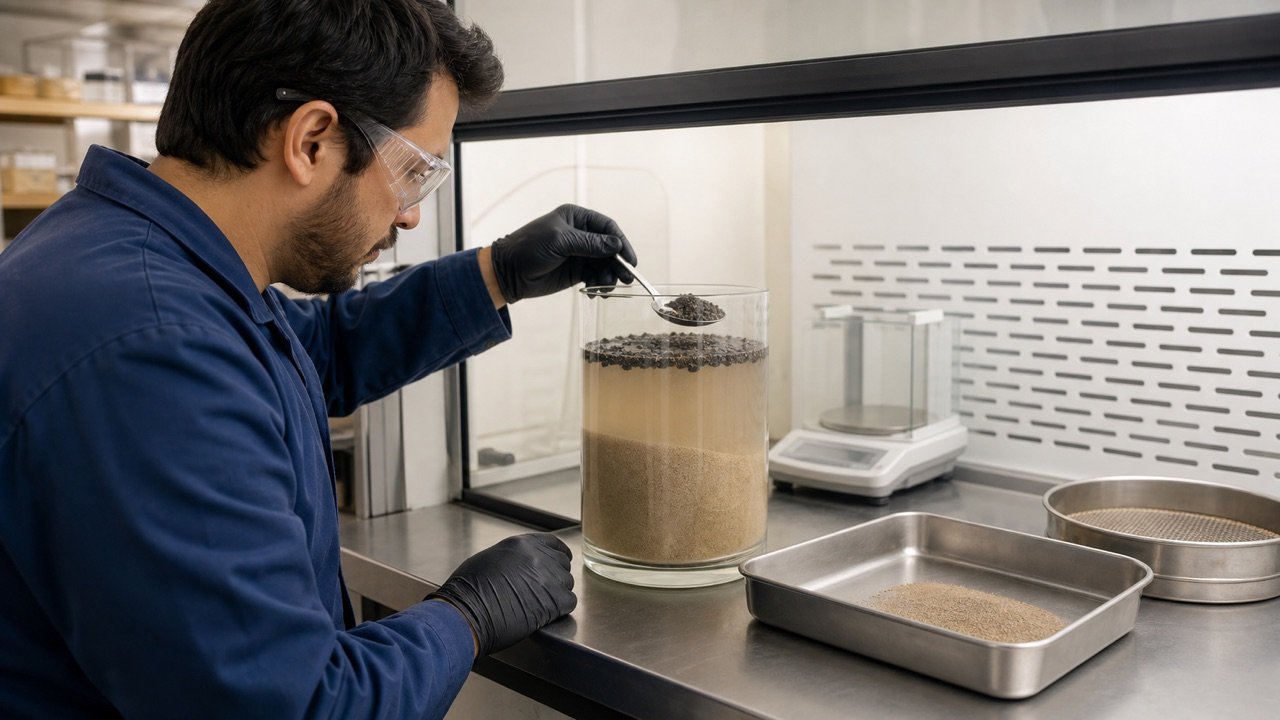
Bulking of Sand: Moisture Test and Volume Correction
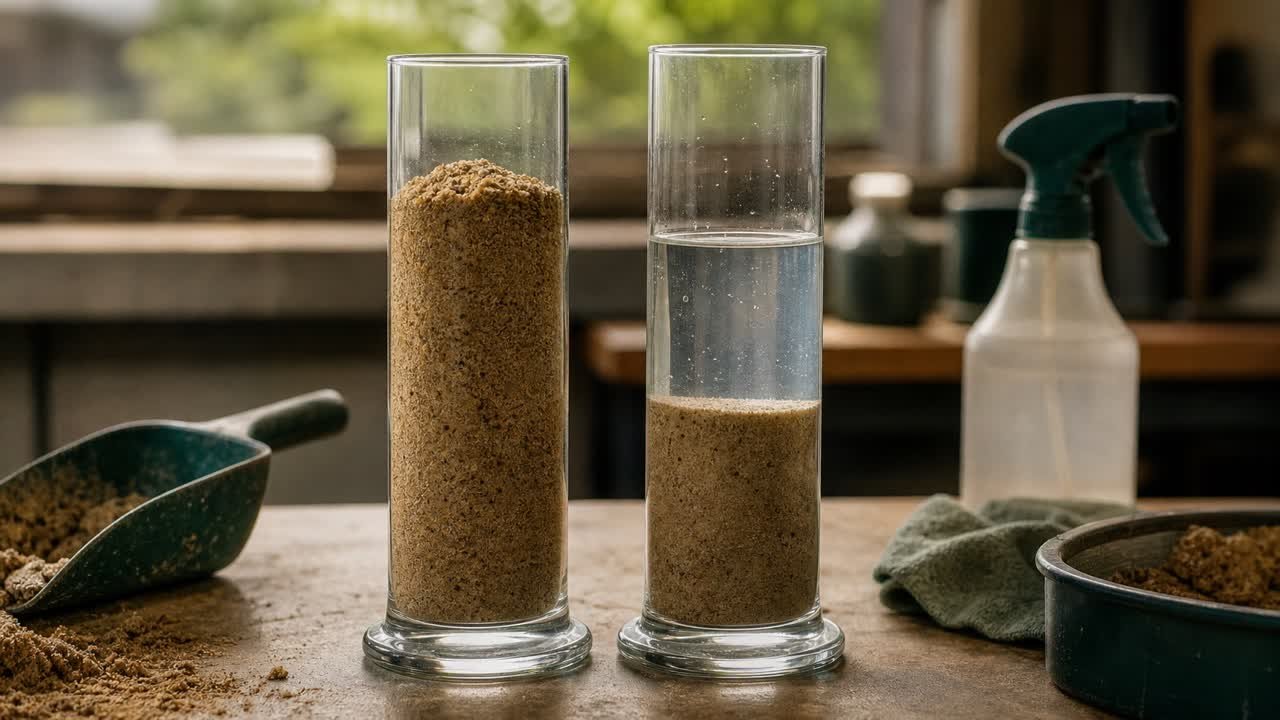
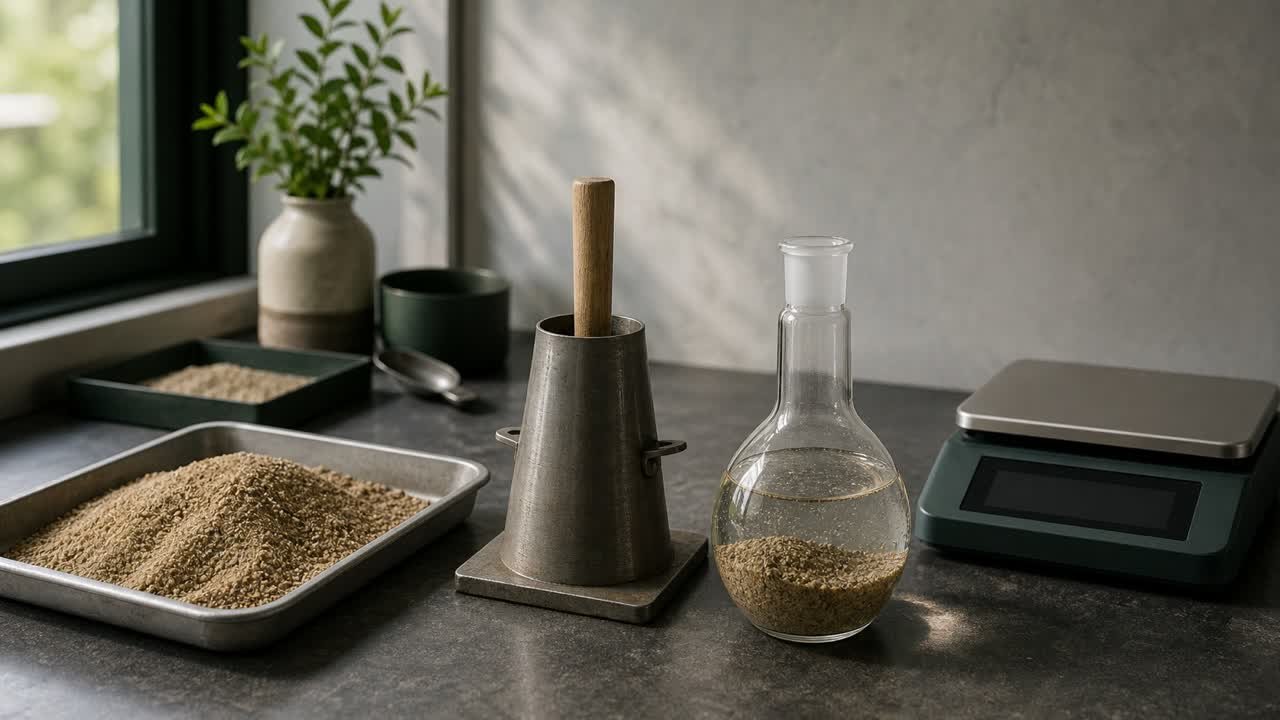
Measure sand bulking from damp loose and inundated volumes, calculate the correction factor, and keep moisture, density, and compaction separate.
Read Bulking of Sand: Moisture Test and Volume Correction
Blog
Clay Lumps in Sand: Test Results and Calculations
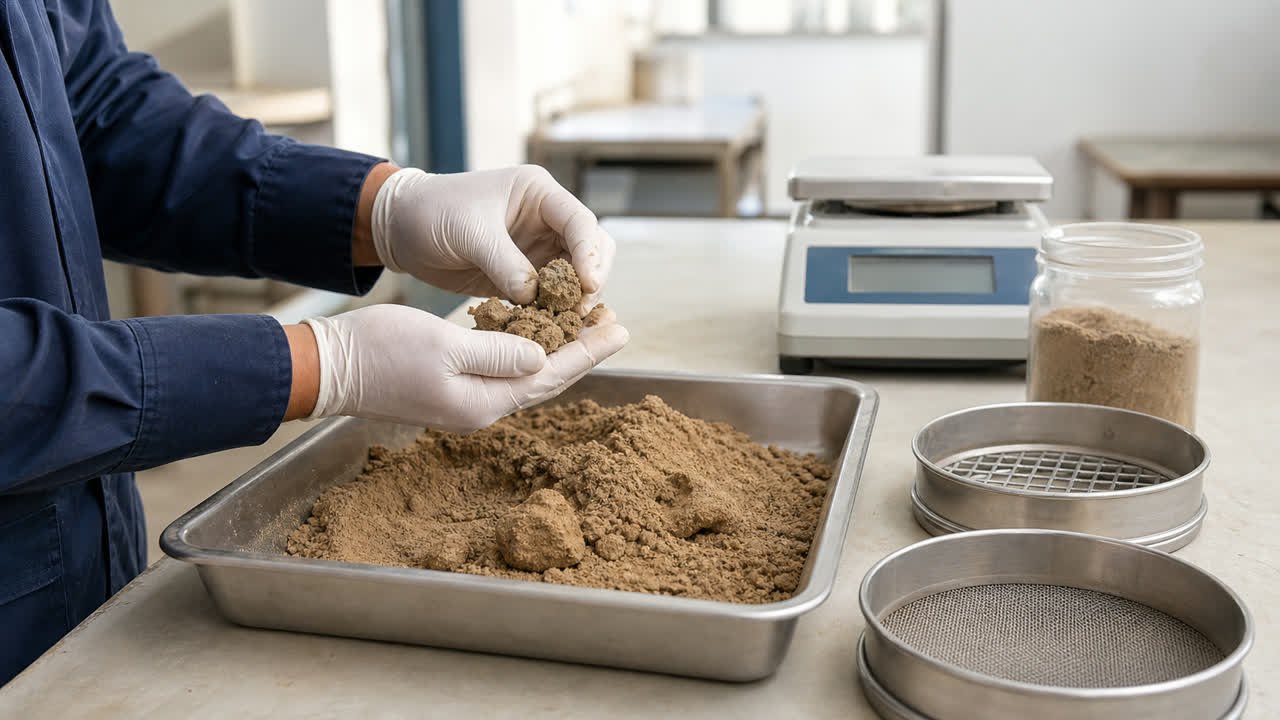
Calculate and check clay-lumps and friable-particles results for fine aggregate, compare method differences, and apply the correct project limit.
Read Clay Lumps in Sand: Test Results and Calculations
Blog
Fine Aggregate Angularity: Uncompacted Void Content
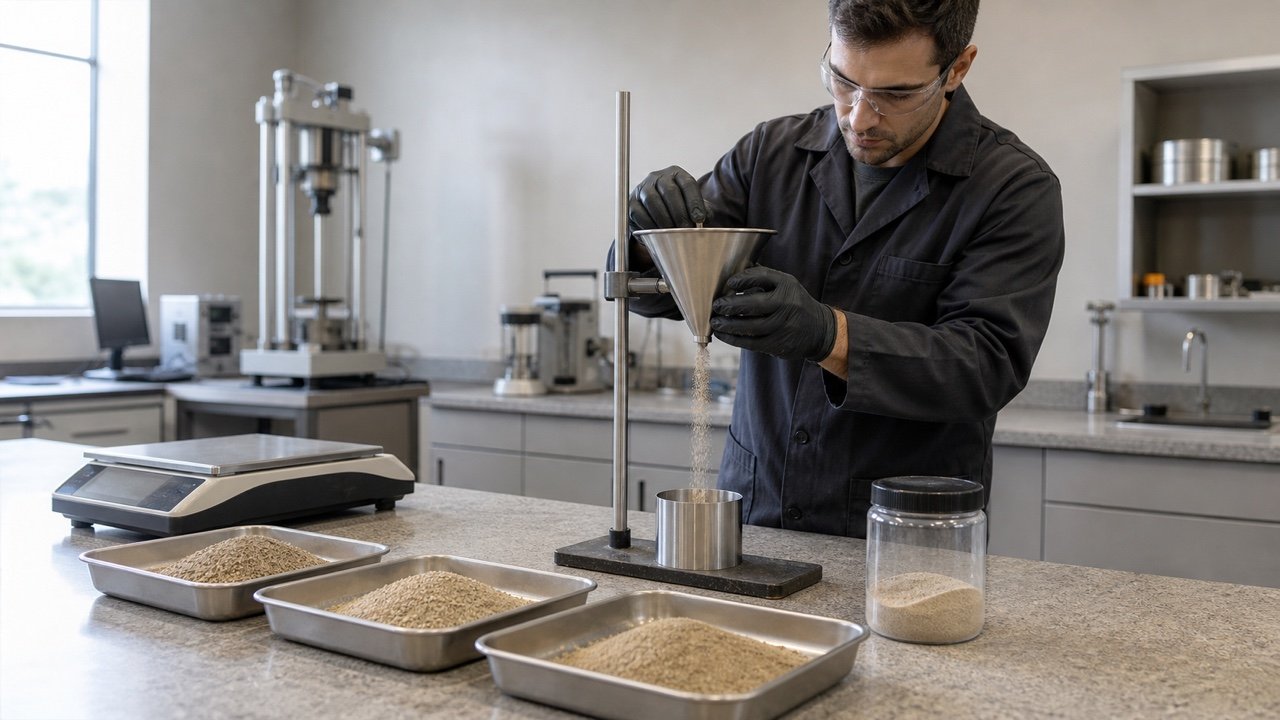
Calculate uncompacted void content from measure volume, net sand mass, and bulk-dry specific gravity, then check Method A, B, or C.
Read Fine Aggregate Angularity: Uncompacted Void Content
Blog
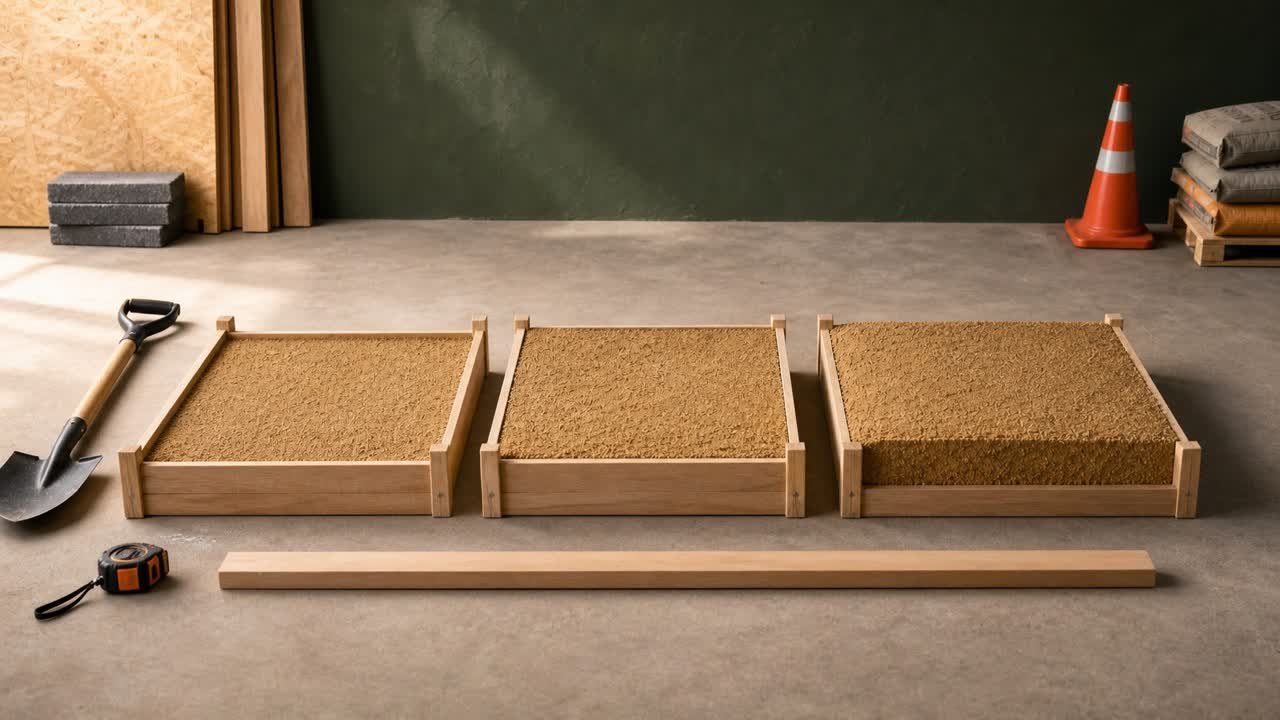
How Deep Should Play Sand Be in a Sandbox?
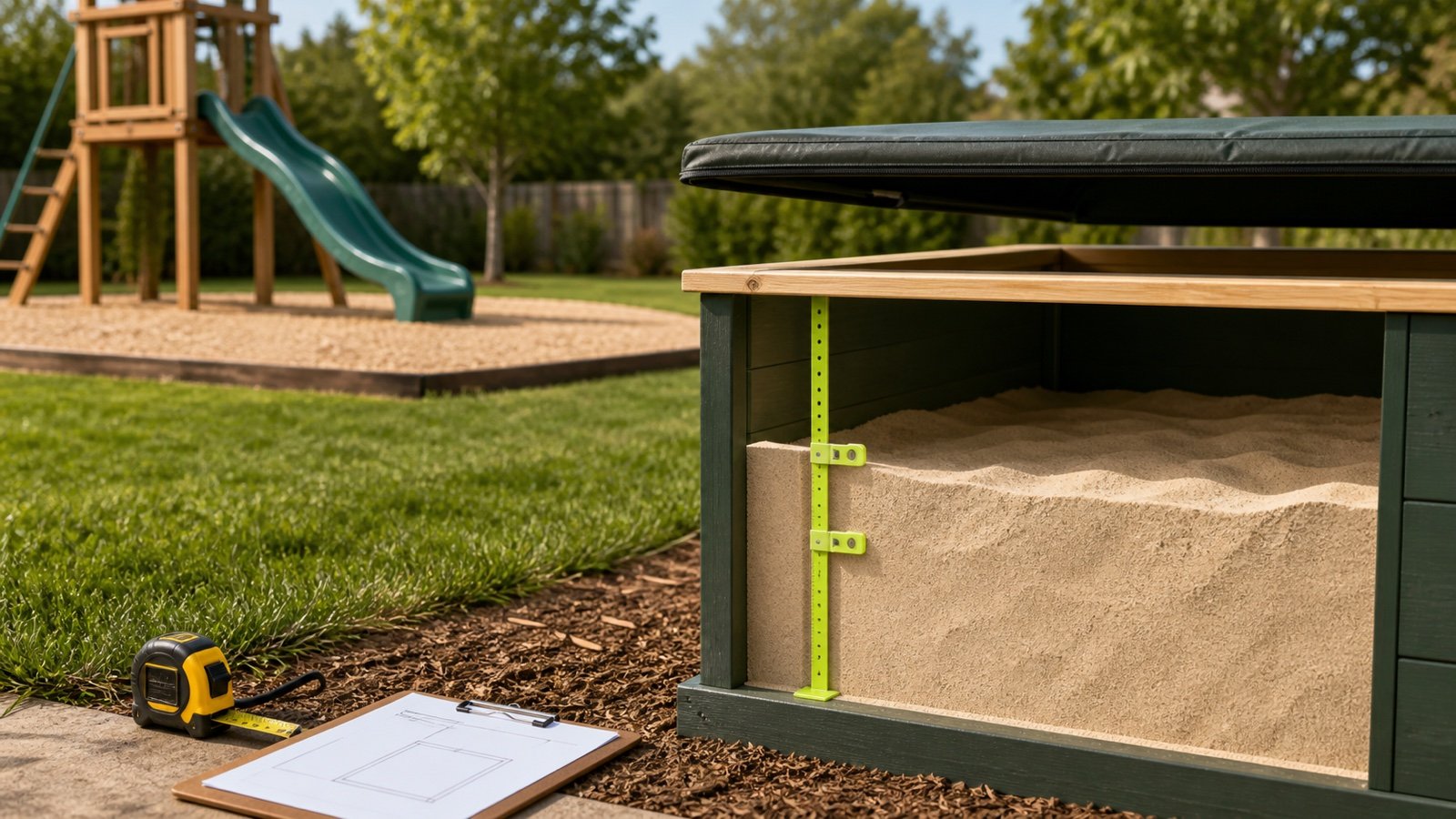
Choose a sandbox fill depth from the exact model instructions, separate play depth from playground impact surfacing, and calculate volume at each fill line.
Read How Deep Should Play Sand Be in a Sandbox?
Blog
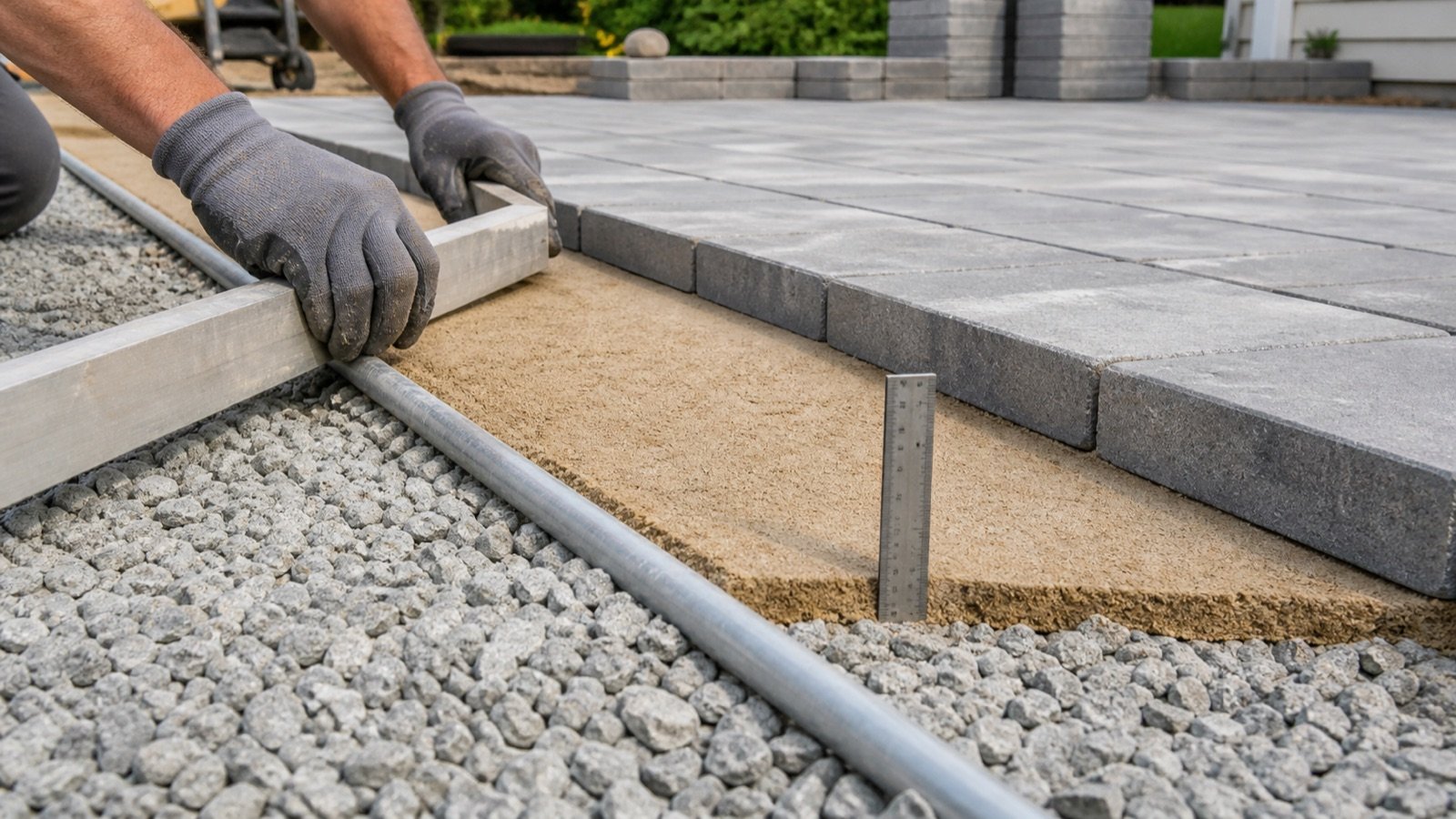
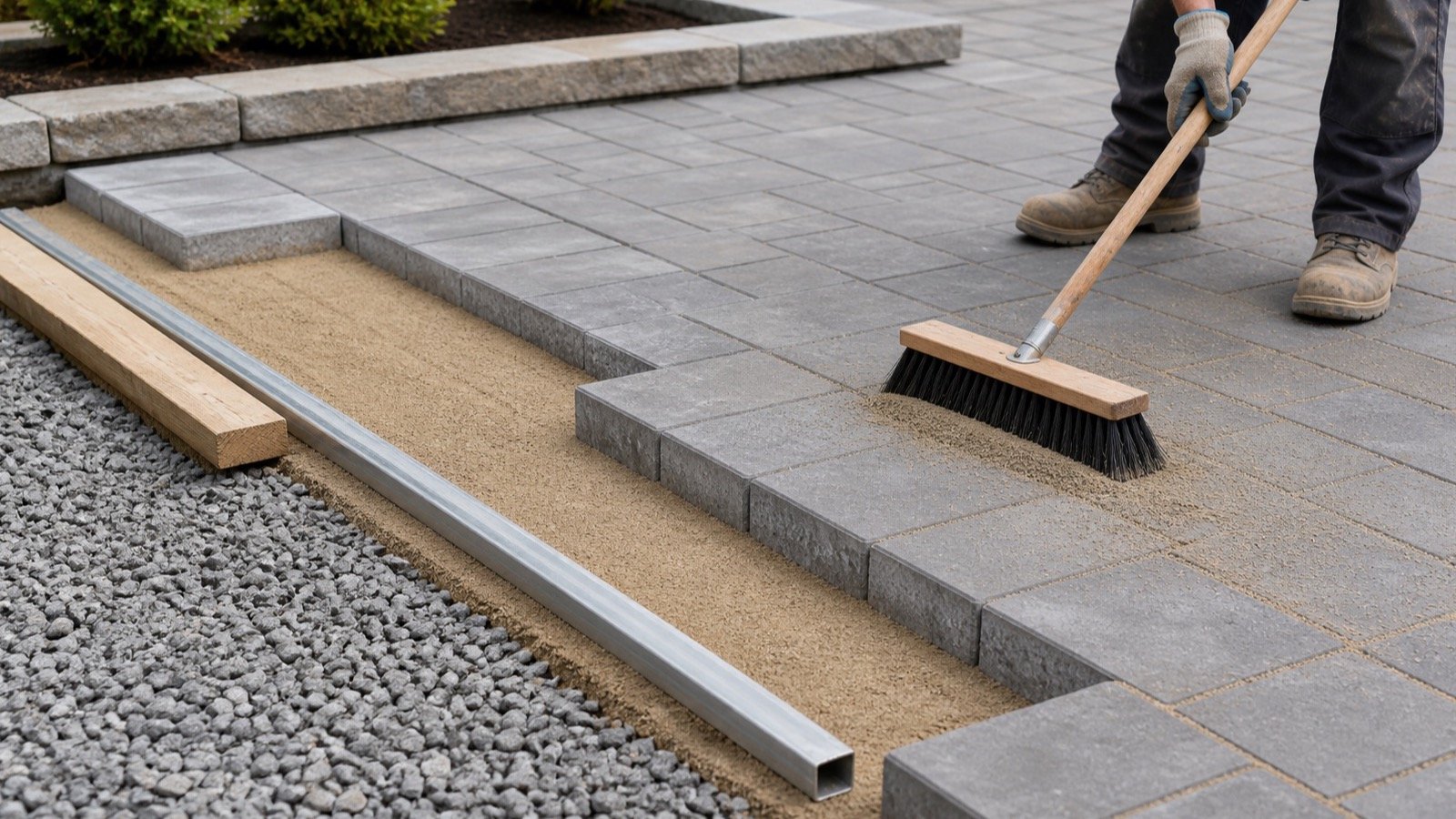
How Deep Should Sand Be Under Pavers?
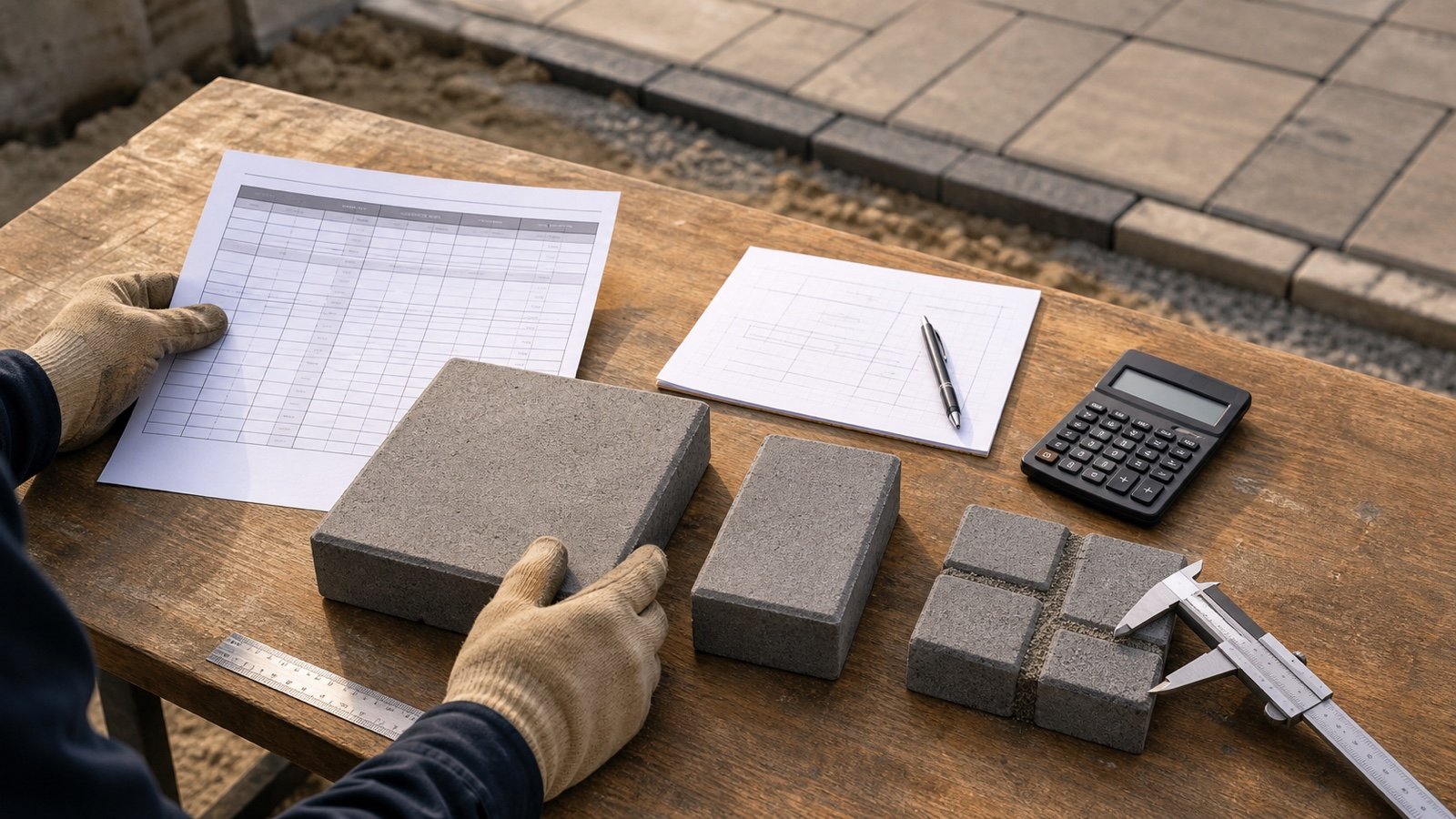
Check paver bedding-sand depth, screed state, base tolerance, paver thickness and quantity using the selected system documents and measured area.
Read How Deep Should Sand Be Under Pavers?
Blog
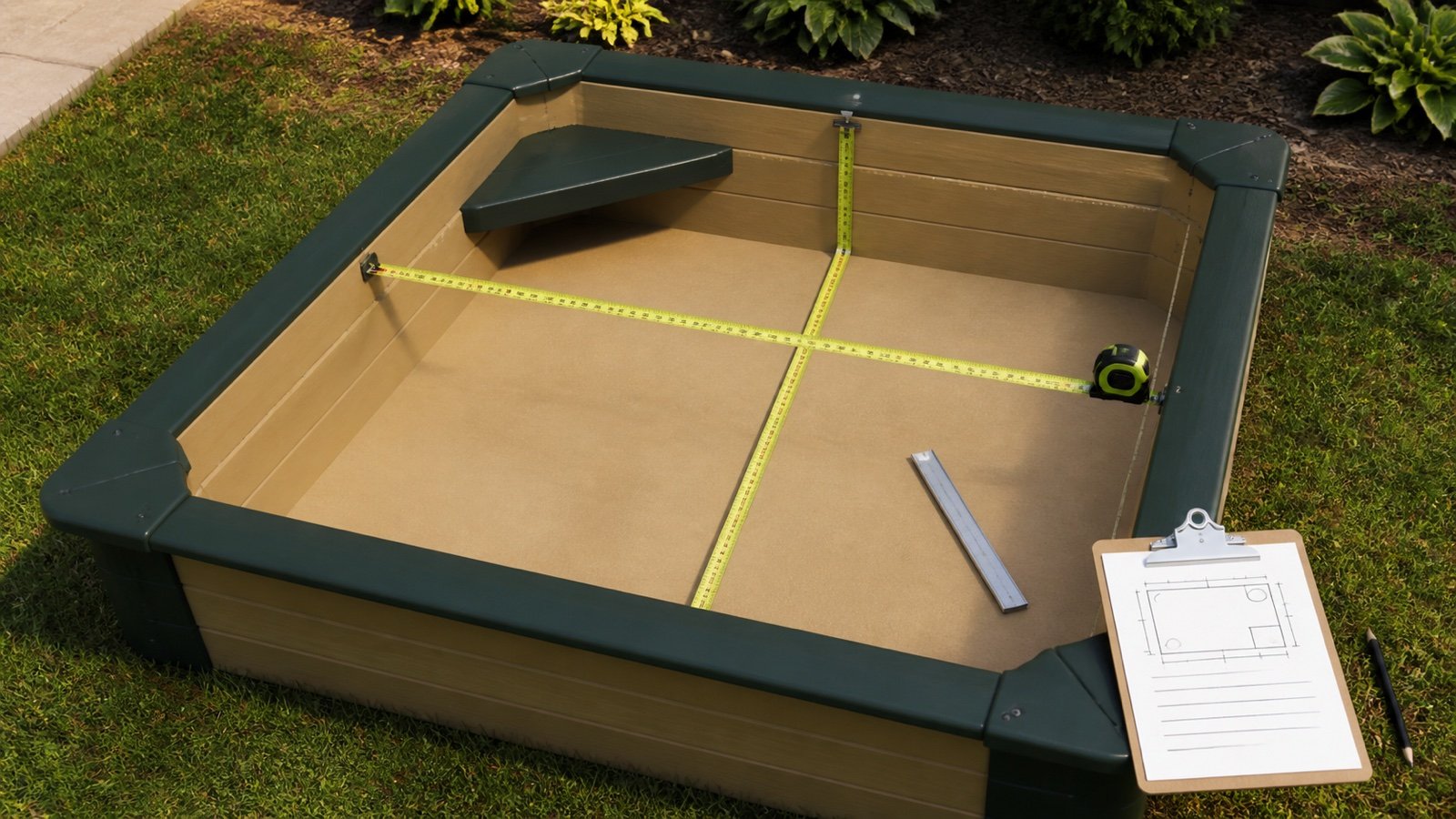
How to Measure a Sandbox for Play Sand
Measure a sandbox's inside length, width or diameter, target fill depth and built-in displacement before calculating play sand volume or bags.
Read How to Measure a Sandbox for Play Sand
Blog
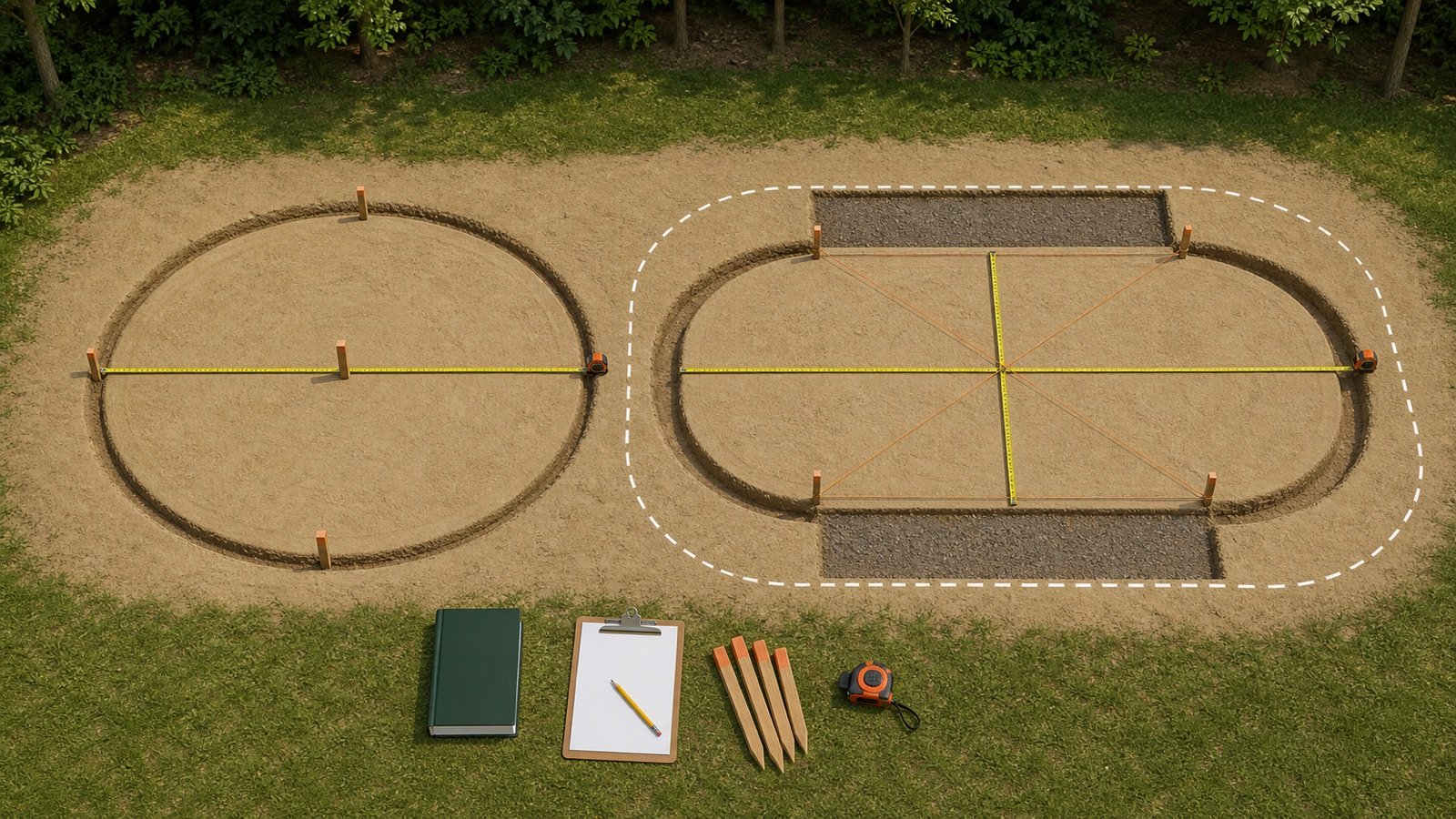
How to Measure an Above-Ground Pool Base for Sand
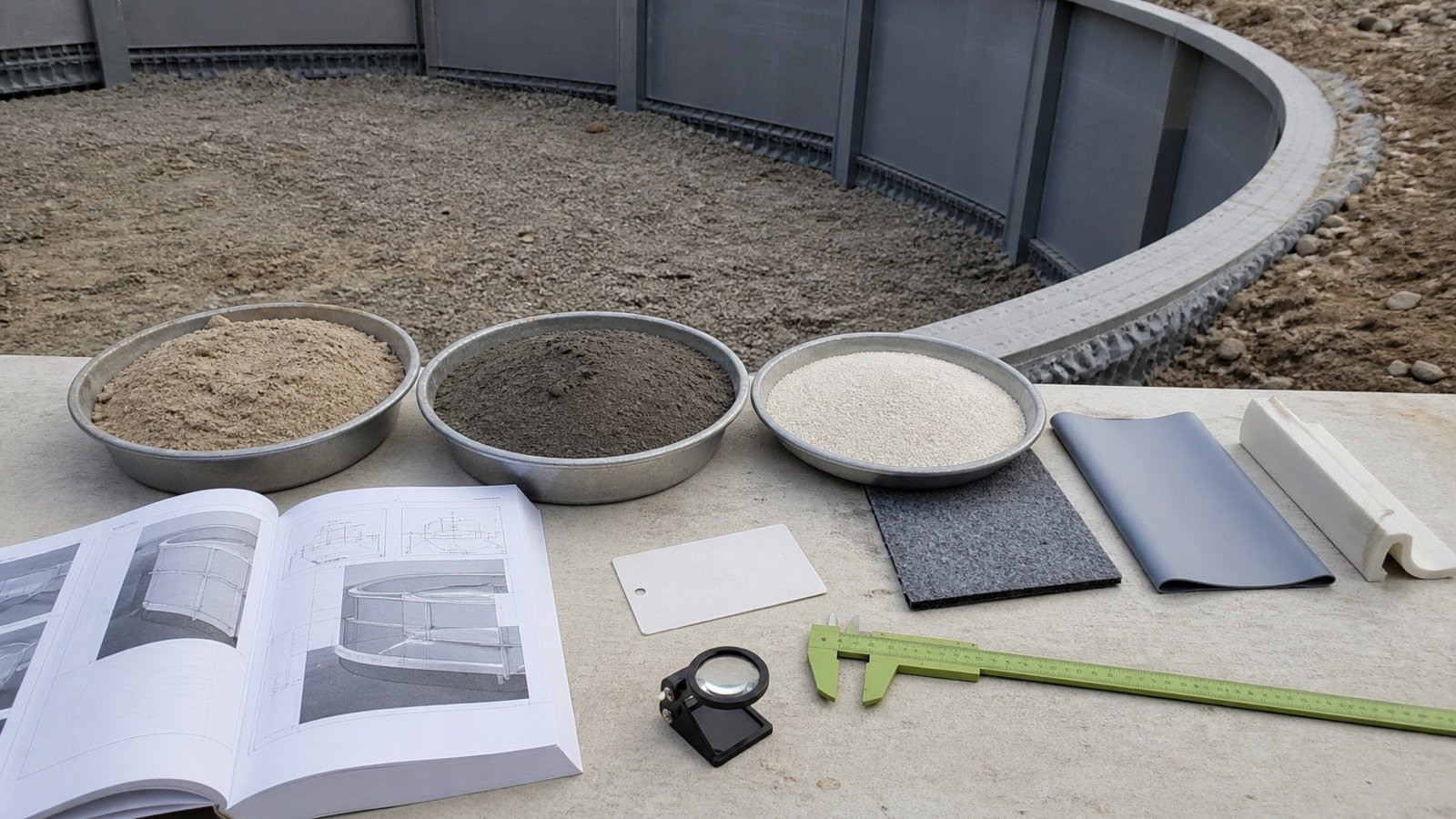
Measure the approved flat sand footprint for a round or racetrack-oval above-ground pool without mixing in excavation, supports, cove, or slope correction.
Read How to Measure an Above-Ground Pool Base for Sand
Blog
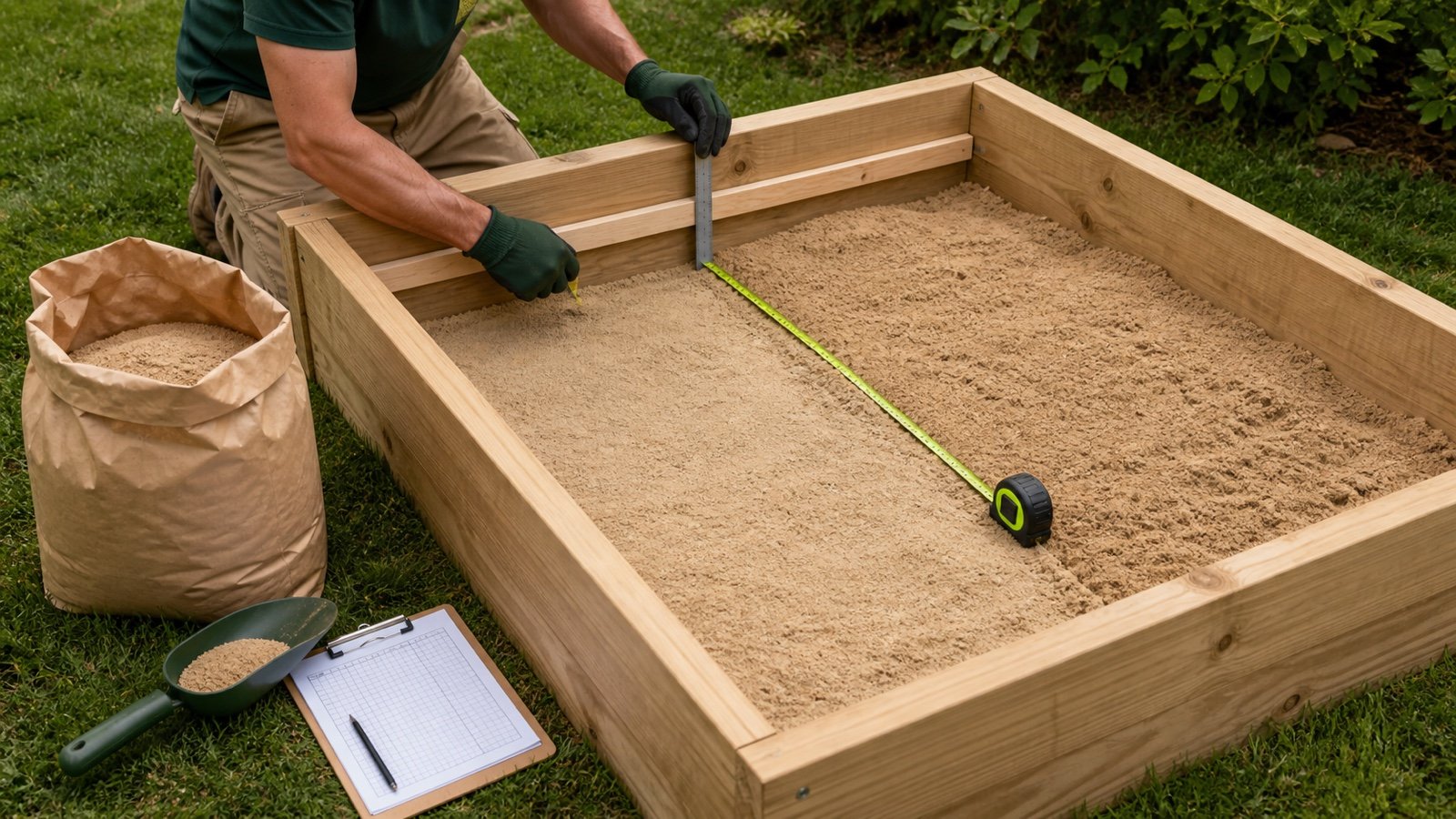
How to Top Up a Sandbox with Play Sand
Measure current sandbox sand depth against the accepted fill line, total the positive deficit by zone and convert the refill volume into product-specific bags.
Read How to Top Up a Sandbox with Play Sand
Blog
Lightweight Particles in Sand: ASTM C123 Results
Calculate lightweight particles in fine aggregate from dry floating mass and the No. 50-retained test portion, then audit method and project limits.
Read Lightweight Particles in Sand: ASTM C123 Results
Blog
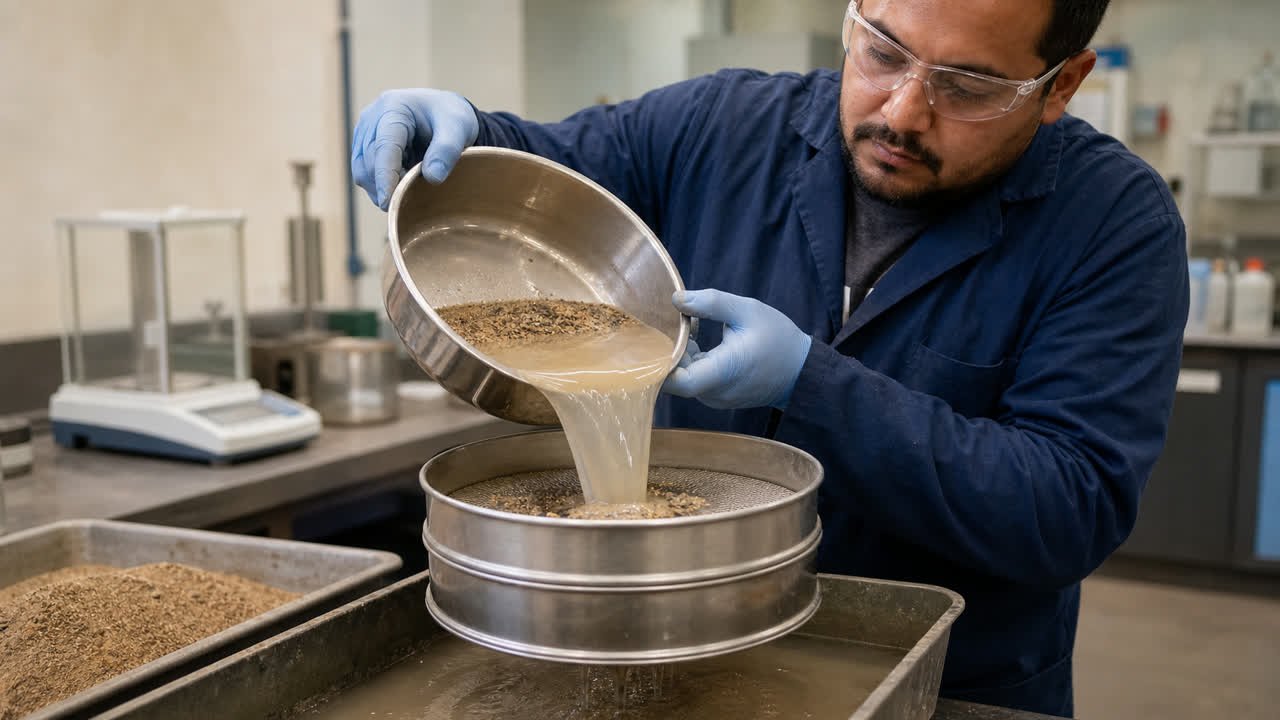
No. 200 Sieve Wash Test for Sand: Results
Calculate material finer than the No. 200 sieve by washing, separate wash loss from the full gradation result, and check report limits.
Read No. 200 Sieve Wash Test for Sand: Results
Blog
Methylene Blue Test: Fine Aggregate Results
Check a fine aggregate methylene blue value by method, tested fraction, dye concentration, specimen mass, endpoint, units, and project limit.
Read Methylene Blue Test: Fine Aggregate Results
Blog
Micro-Deval Test: Fine Aggregate Abrasion Loss
Calculate fine aggregate Micro-Deval abrasion loss from initial and final dry mass, then check method, rounding, traceability, and project limits.
Read Micro-Deval Test: Fine Aggregate Abrasion Loss
Blog
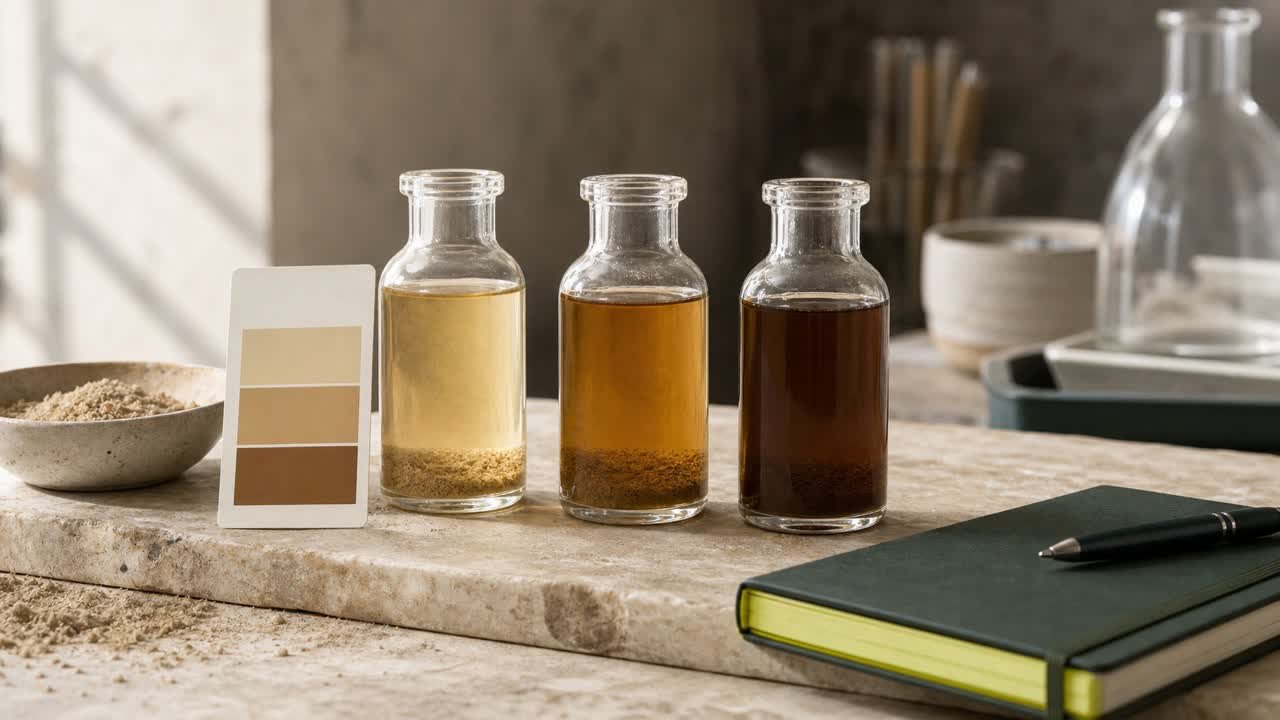
Organic Impurities in Sand: Color Test Results
Interpret lighter, equal, or darker fine-aggregate color-test results, check sample and method records, and understand when ASTM C87 follow-up is needed.
Read Organic Impurities in Sand: Color Test Results
Blog
Paver Bedding Sand vs Joint Sand: Key Differences
Compare paver bedding and joint sand by location, function, specification and quantity method before selecting products or ordering material.
Read Paver Bedding Sand vs Joint Sand: Key Differences
Blog
Polymeric Sand Coverage Chart: Bag Estimates
Read polymeric-sand coverage charts by product, package, paver height and joint band, then calculate a sourced whole-bag range for each zone.
Read Polymeric Sand Coverage Chart: Bag Estimates
Blog
Polymeric Sand Joint Width and Depth Guide
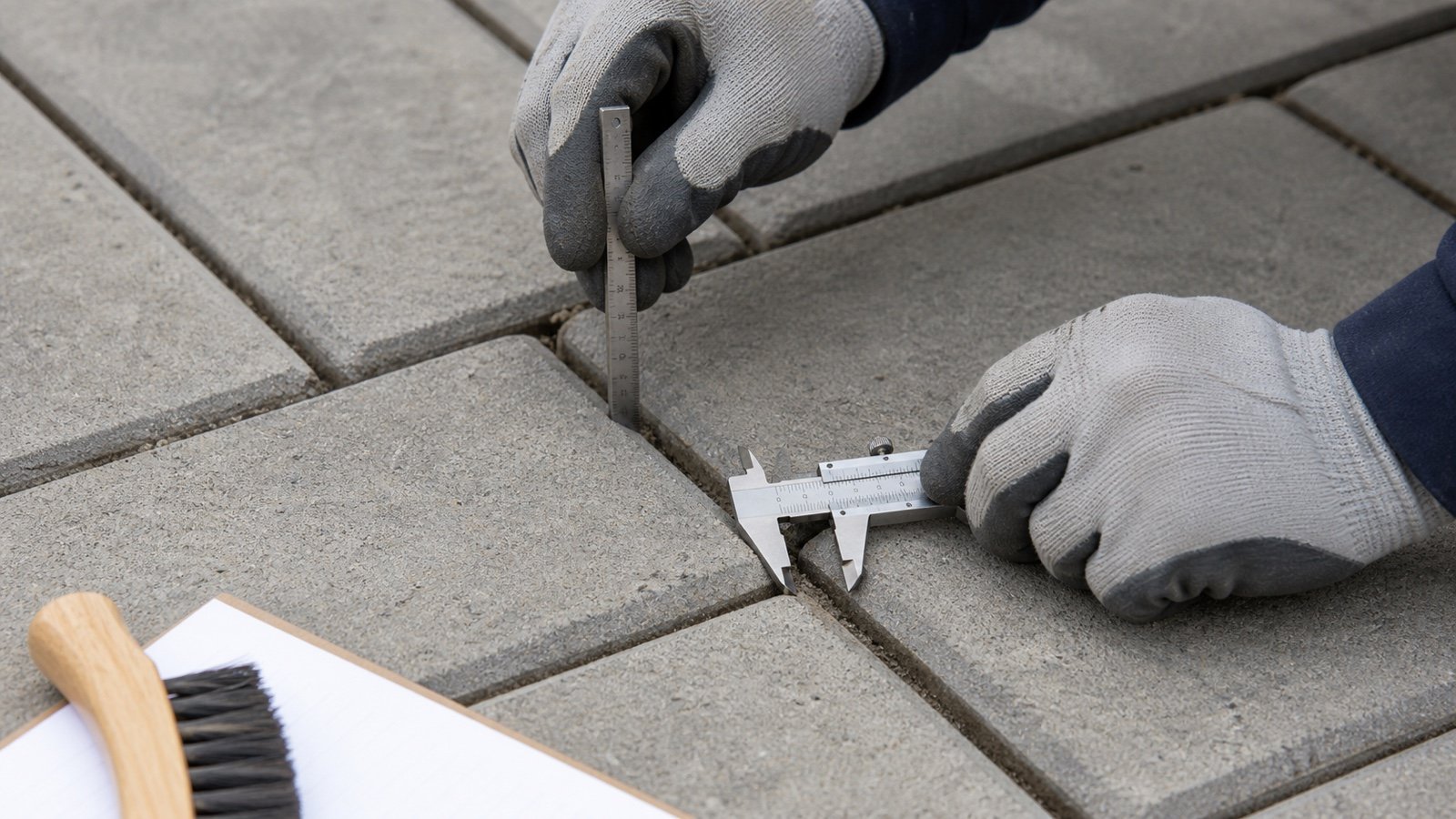
Measure paver joint width, usable depth, chamfers and changing gaps, then compare every zone with the current polymeric-sand product requirements.
Read Polymeric Sand Joint Width and Depth Guide
Blog
Pool Base Sand Depth for Above-Ground Pools
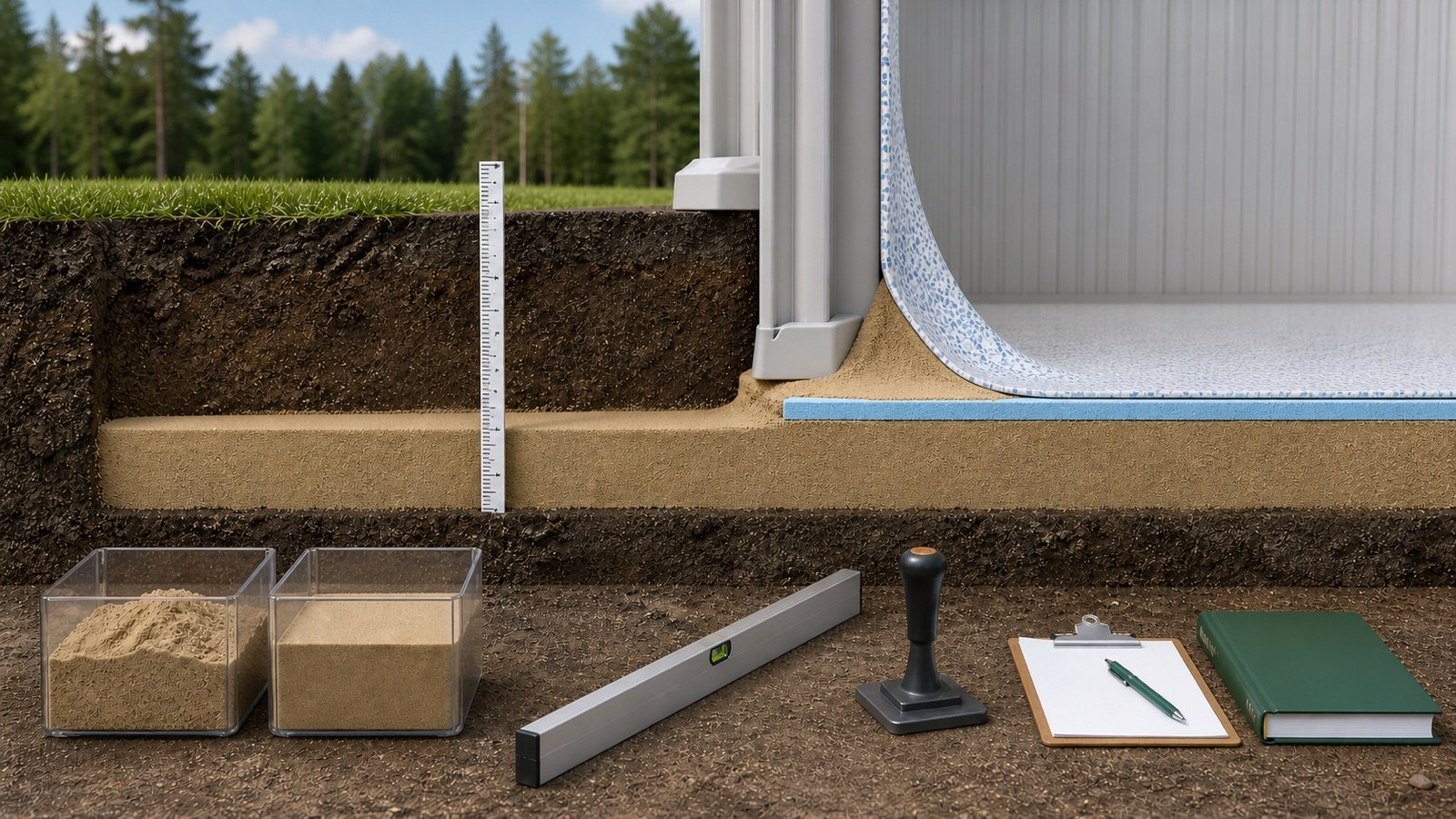
Choose an above-ground pool base depth from the exact manual, distinguish loose and compacted thickness, and keep the cove and site leveling separate.
Read Pool Base Sand Depth for Above-Ground Pools
Blog
How to Calculate Pool Cove Sand Separately
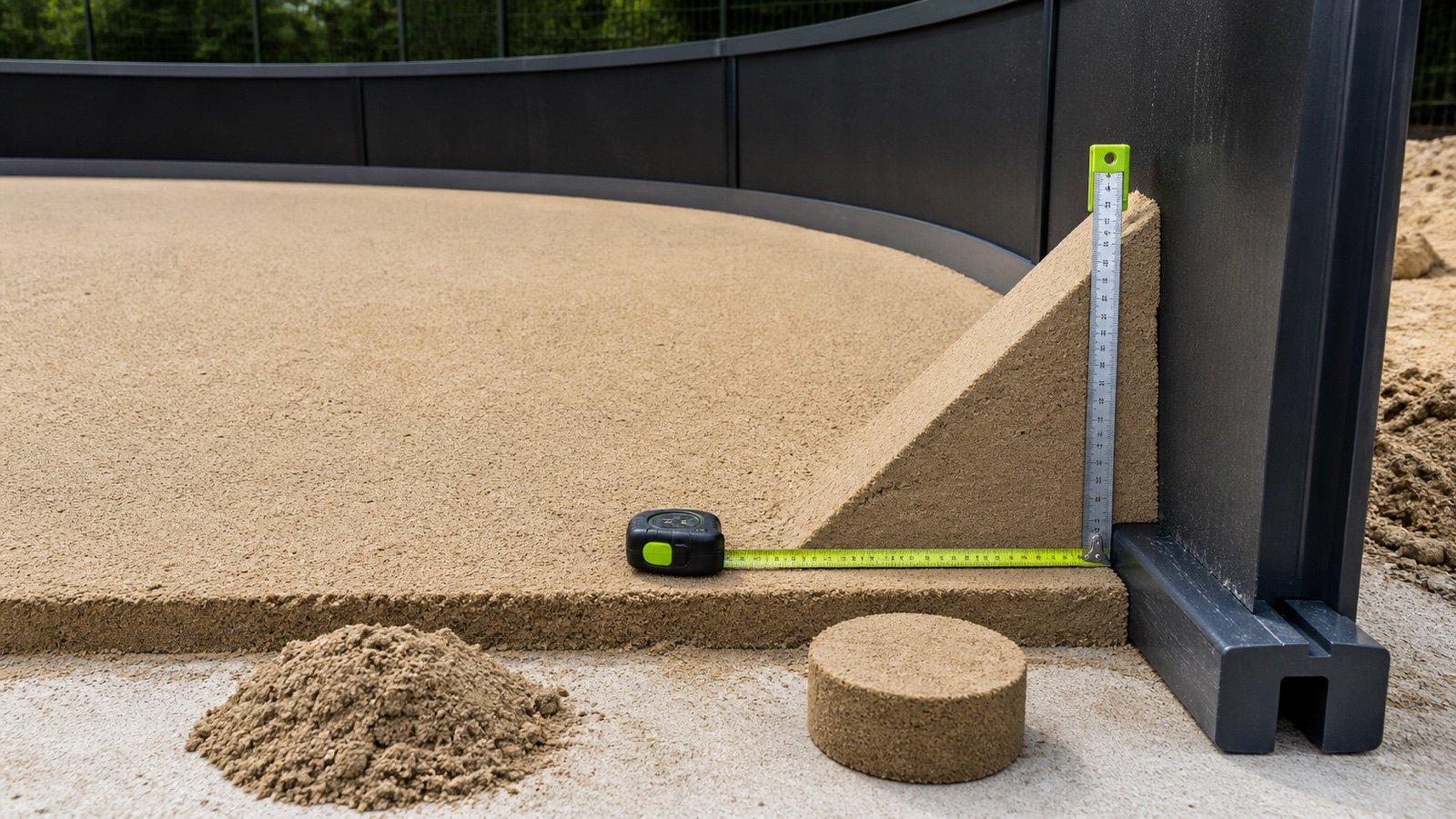
Calculate an approved pool cove from its wall perimeter and compacted cross-section, with checked round, racetrack-oval and metric examples.
Read How to Calculate Pool Cove Sand Separately
Blog
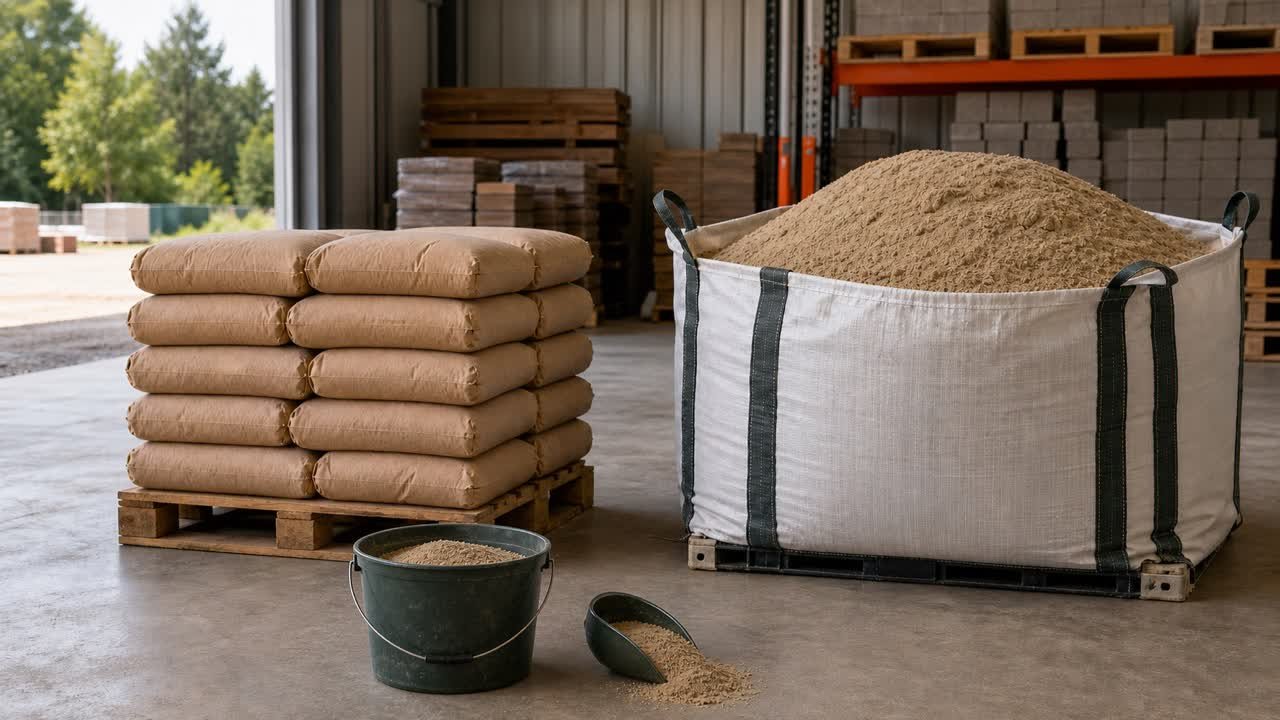
Sand Bags vs Bulk: Quantity, Cost and Delivery
Compare bagged and bulk sand using product yield, supplier minimums, delivered cost, site access, handling, and order rounding.
Read Sand Bags vs Bulk: Quantity, Cost and Delivery
Blog
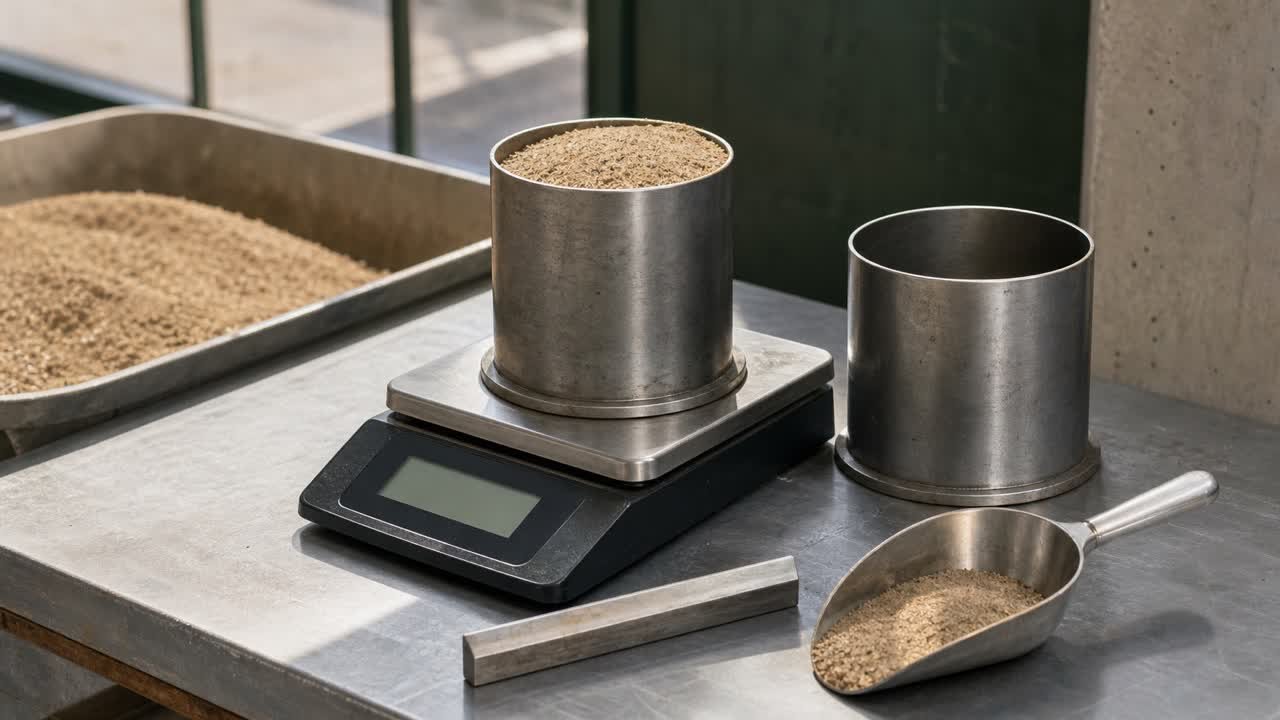
Sand Bulk Density and Unit Weight Calculations
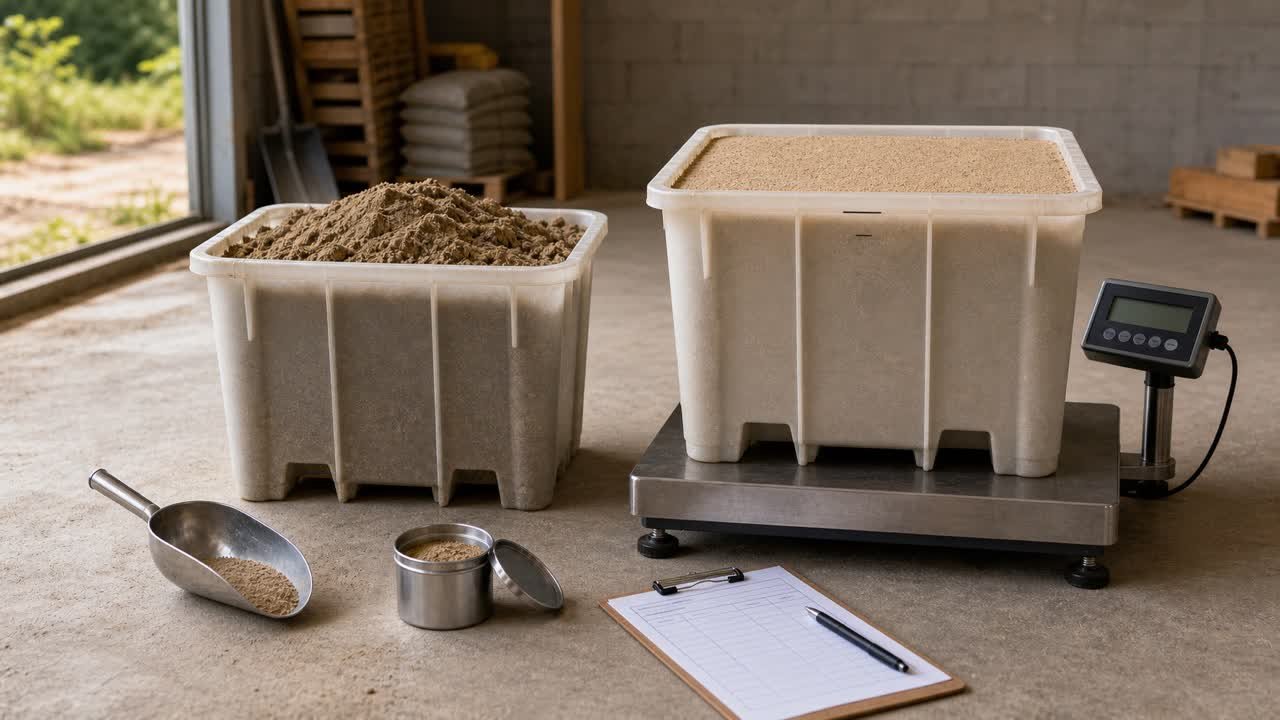
Calculate loose or rodded sand bulk density from container masses and calibrated volume, check repeats, and calculate void content from compatible data.
Read Sand Bulk Density and Unit Weight Calculations
Blog
Sand Coverage Guide: Charts for Cubic Yards and Cubic Metres
See how much area one cubic yard or cubic metre of sand covers at different depths, with formulas and field checks.
Read Sand Coverage Guide: Charts for Cubic Yards and Cubic Metres
Blog
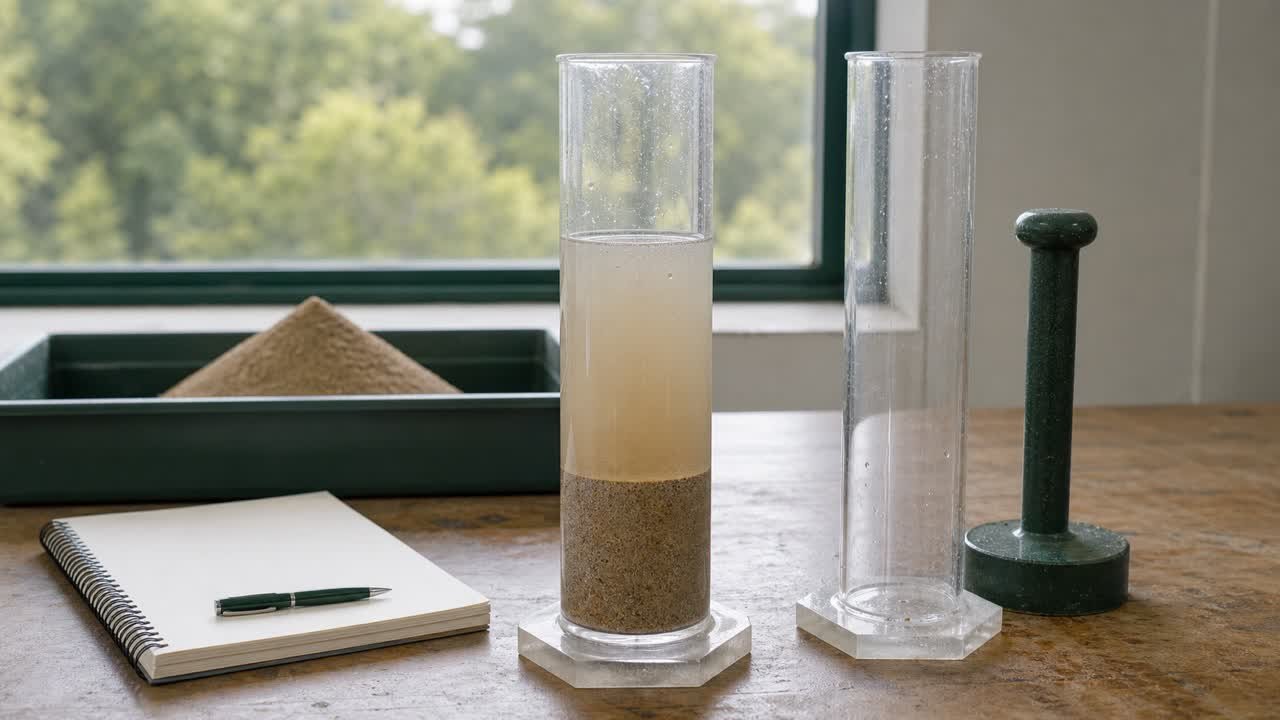
Sand Equivalent Test: Formula and Results
Calculate a sand equivalent value from sand and clay readings, check method-specific rounding, audit a report, and compare it with the correct project limit.
Read Sand Equivalent Test: Formula and Results
Blog
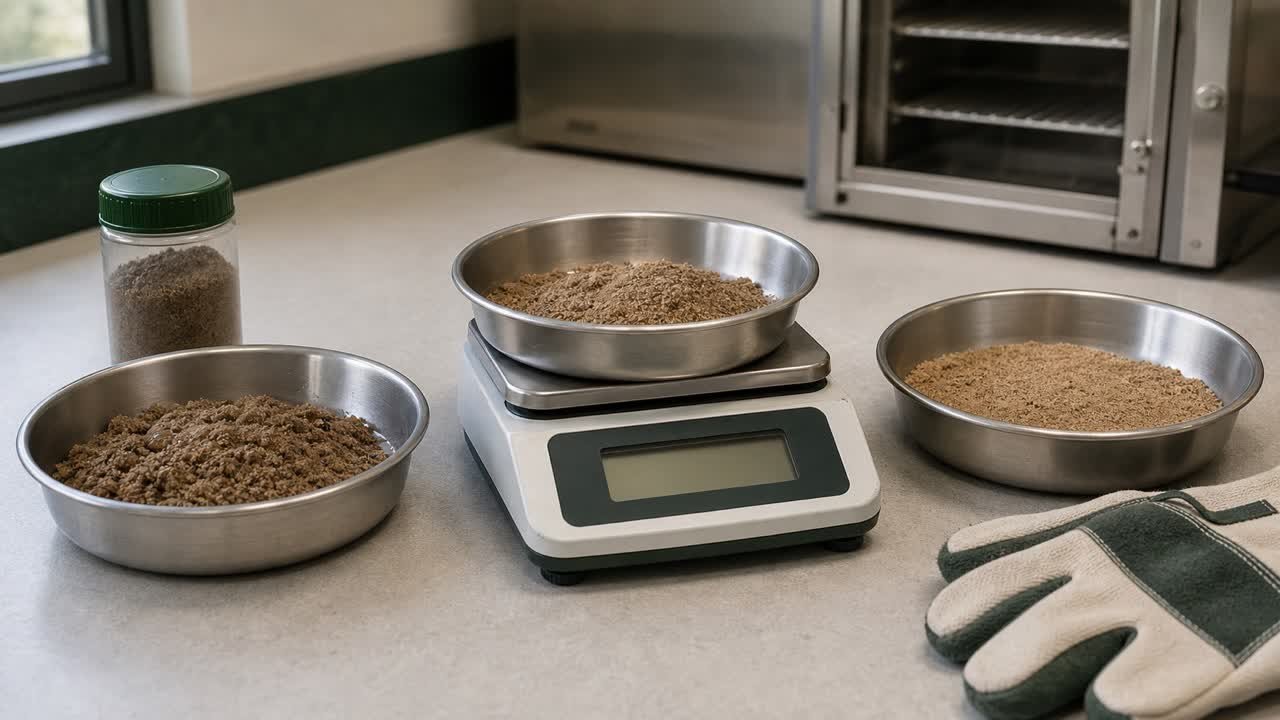
Sand Moisture Content: Wet and Dry Mass Calculations
Calculate sand moisture content from wet and dry masses, remove container tare, convert batch mass, and separate total moisture from absorption and surface water.
Read Sand Moisture Content: Wet and Dry Mass Calculations
Blog
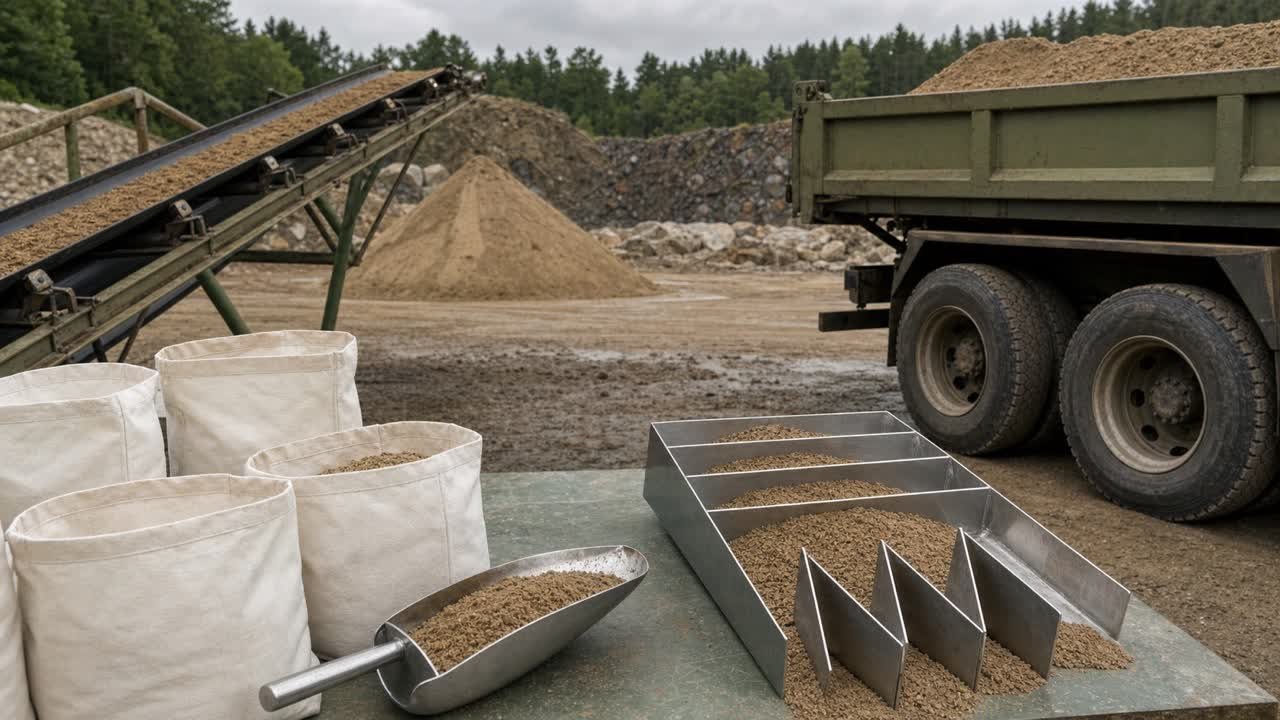
Sand Sampling: Stockpiles, Belts and Deliveries
Collect, reduce and label a representative sand sample from a stockpile, stopped belt, flowing stream or delivery without losing fines or traceability.
Read Sand Sampling: Stockpiles, Belts and Deliveries
Blog
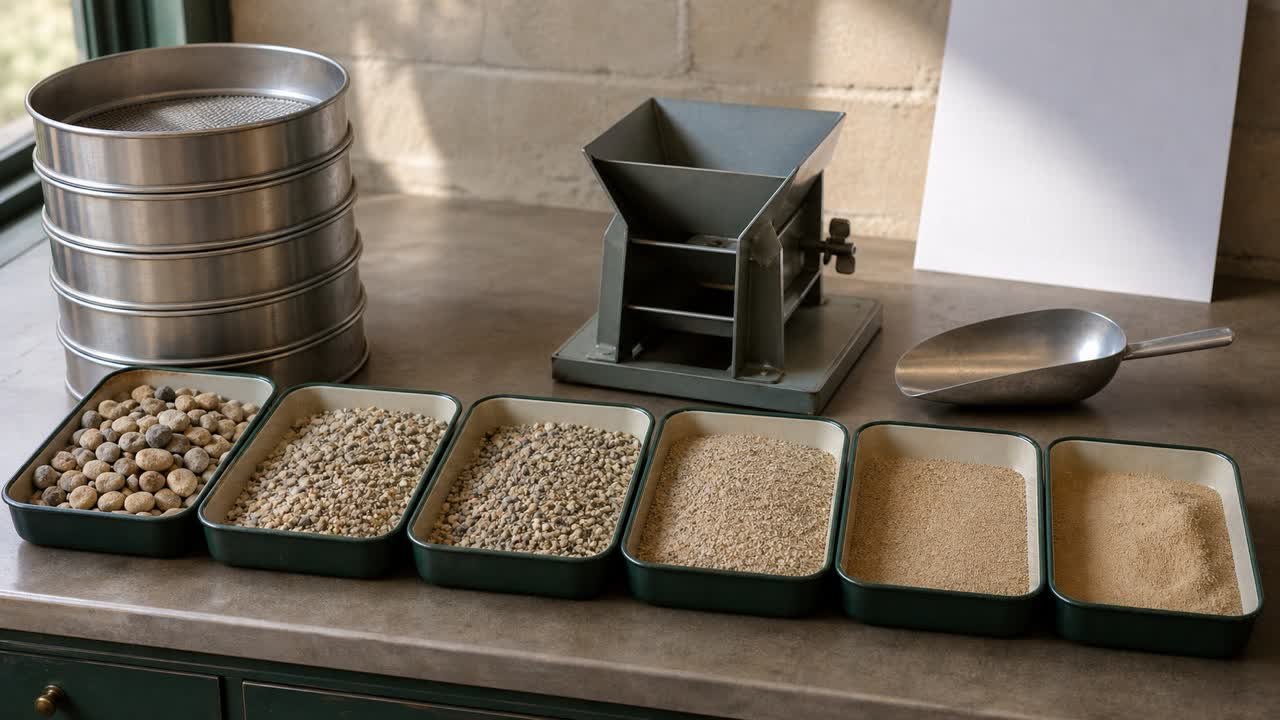
Sand Sieve Analysis: Reading Test Results
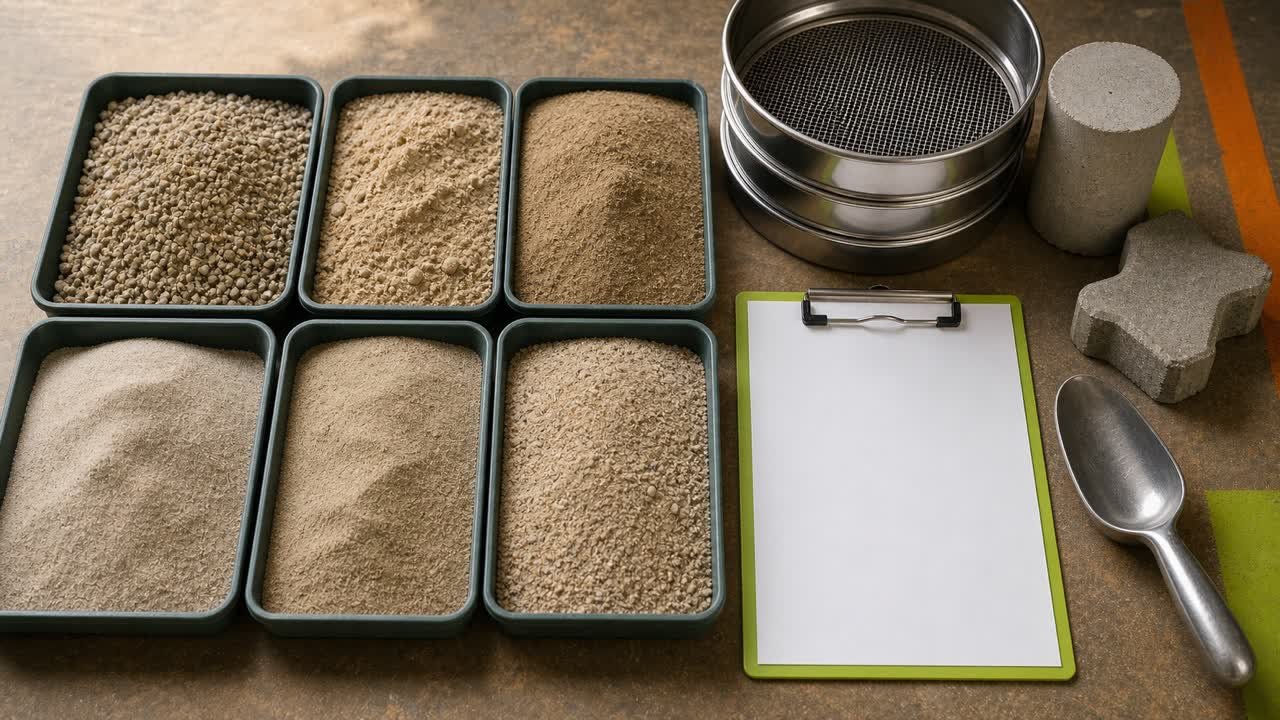
Read a sand sieve analysis using retained mass, percent passing, gradation curves, fineness modulus, wash-fines checks, and a worked report.
Read Sand Sieve Analysis: Reading Test Results
Blog
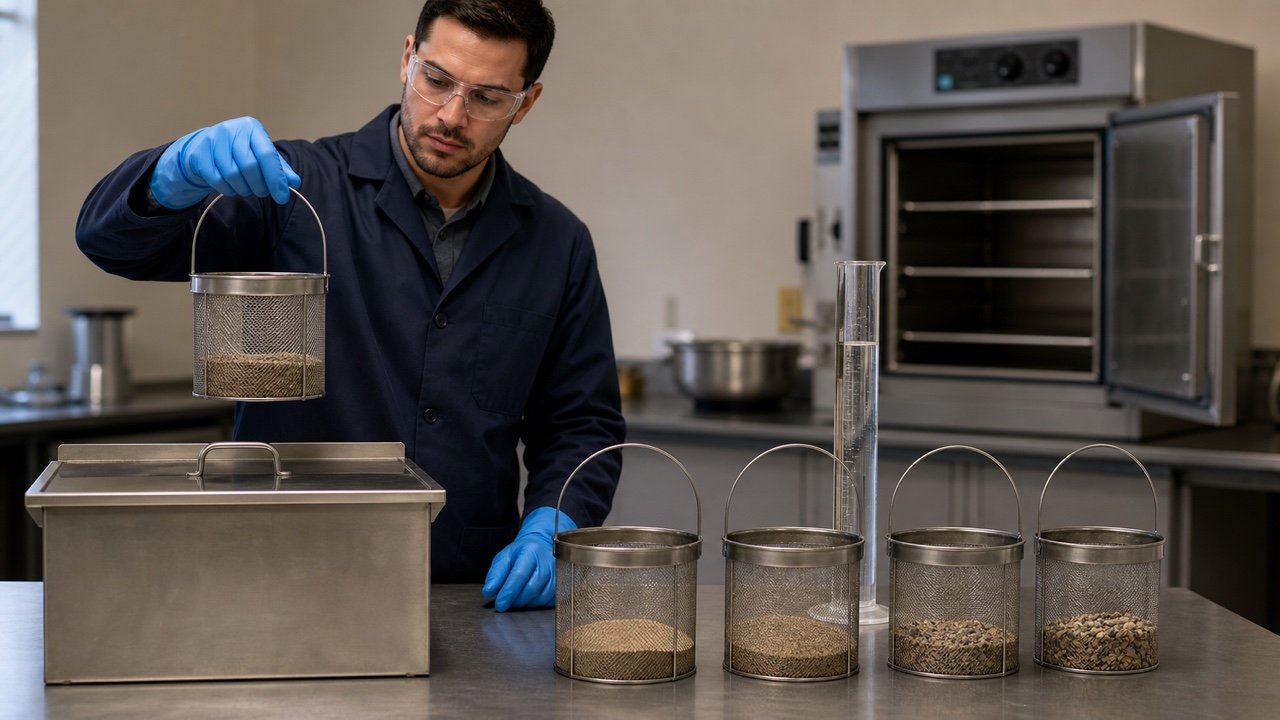
Sand Soundness Test: Sodium vs Magnesium
Calculate fine-aggregate sulfate soundness loss by size fraction, reproduce a weighted result, and keep sodium and magnesium limits separate.
Read Sand Soundness Test: Sodium vs Magnesium
Blog
Sand Specific Gravity and Absorption Calculations
Calculate fine aggregate bulk OD, bulk SSD and apparent specific gravity plus absorption from A, B, C and S pycnometer masses.
Read Sand Specific Gravity and Absorption Calculations
Blog
Sand for Above-Ground Pools: What to Use
Compare manufacturer-approved pool-base materials, check masonry sand and rock-dust limits, separate filter sand, and prepare a supplier acceptance record.
Read Sand for Above-Ground Pools: What to Use
Charts
Sand Weight Chart: Cubic Yards and Cubic Metres
Convert cubic yards or cubic metres of sand to estimated weight using the supplier density for the exact product and condition.
Read Sand Weight Chart: Cubic Yards and Cubic Metres
Blog
Types of Sand for Construction: Selection and Specification Guide
Compare concrete, masonry, fill, manufactured, paver, and play sand using specifications, product data, and supplier records.
Read Types of Sand for Construction: Selection and Specification Guide
Blog
What Sand Should You Use in a Sandbox?
Choose sandbox sand from the exact product label, intended-use statement, data sheet and SDS, then carry the product's own package basis into the quantity estimate.
Read What Sand Should You Use in a Sandbox?