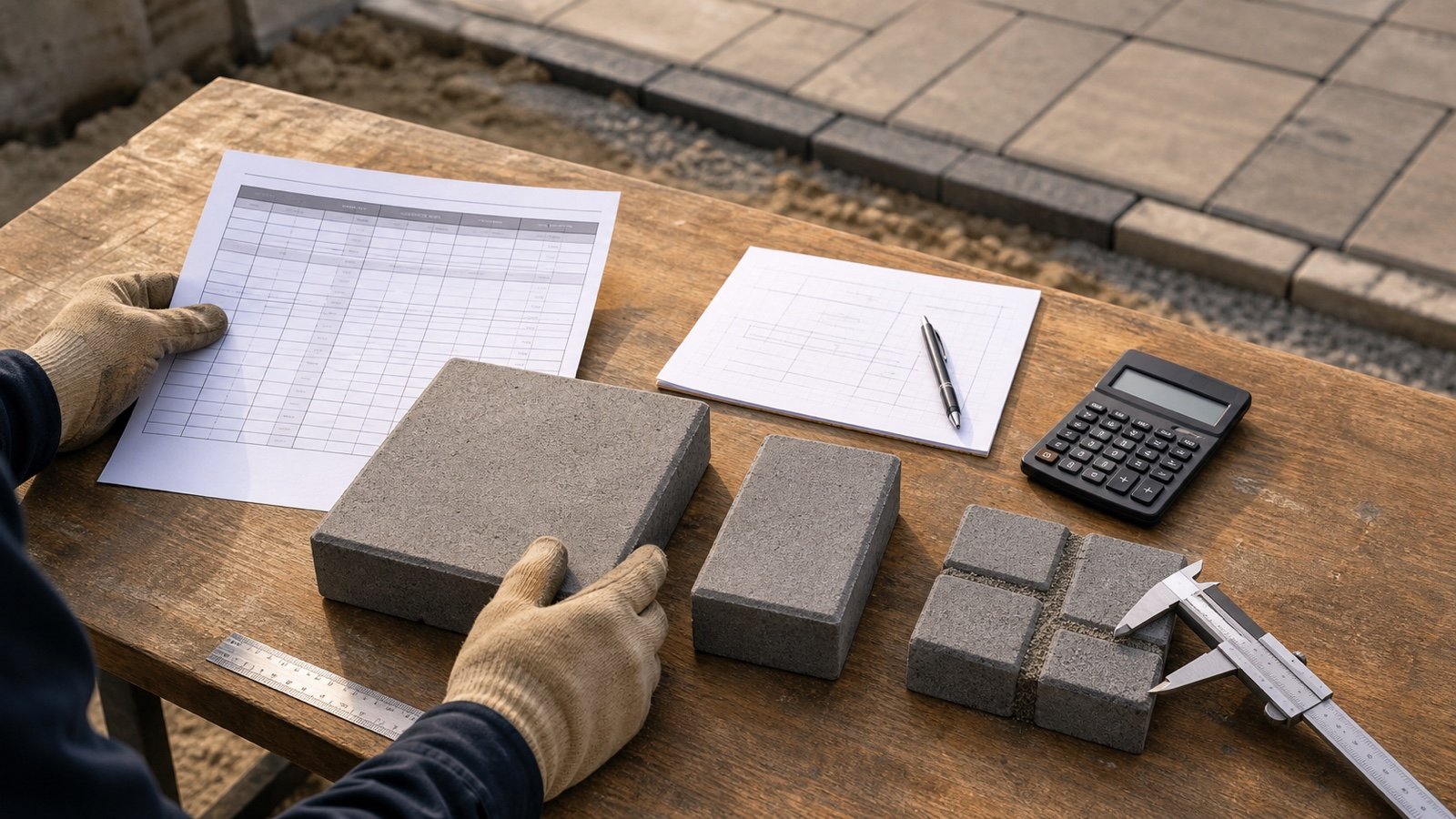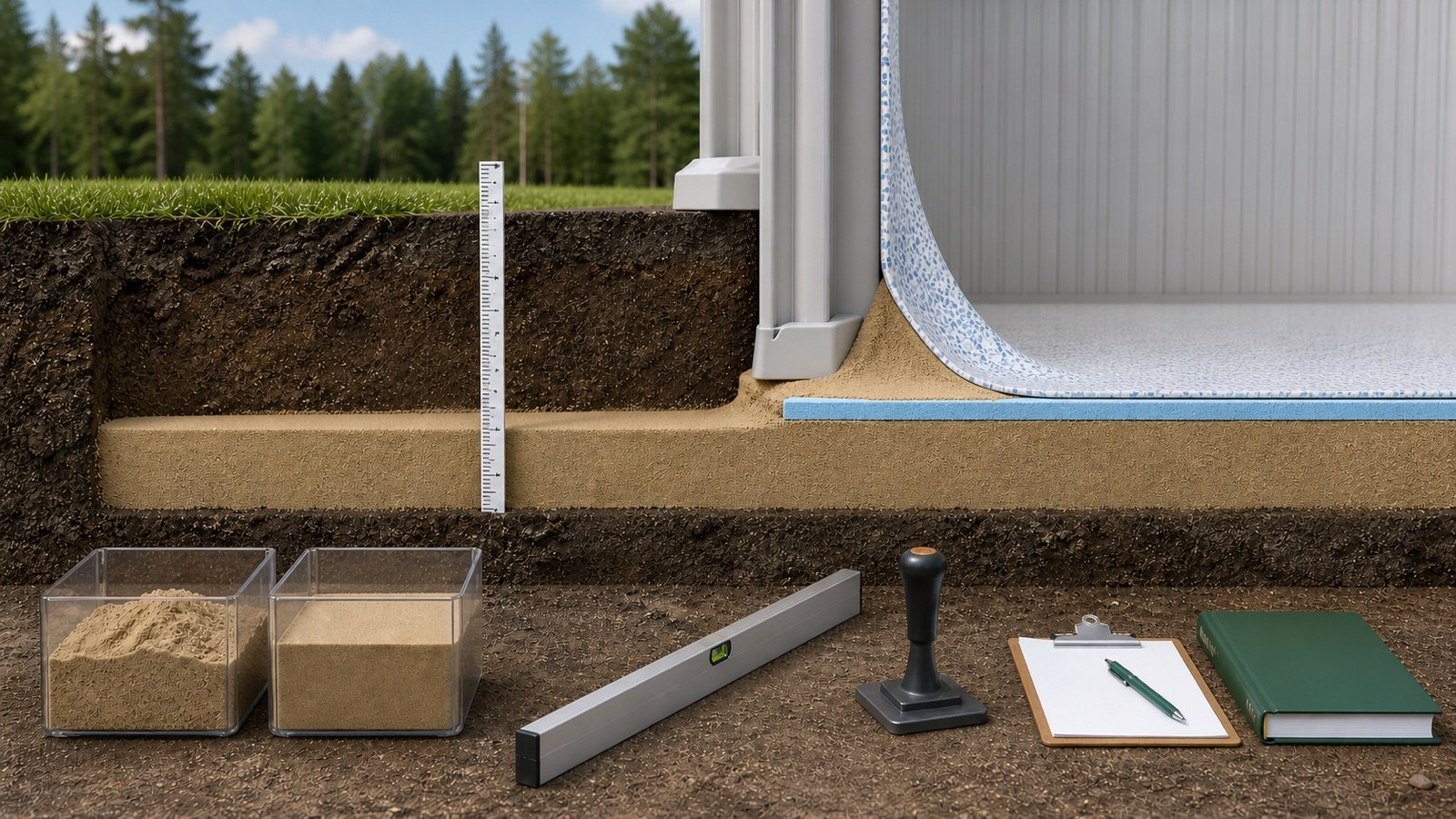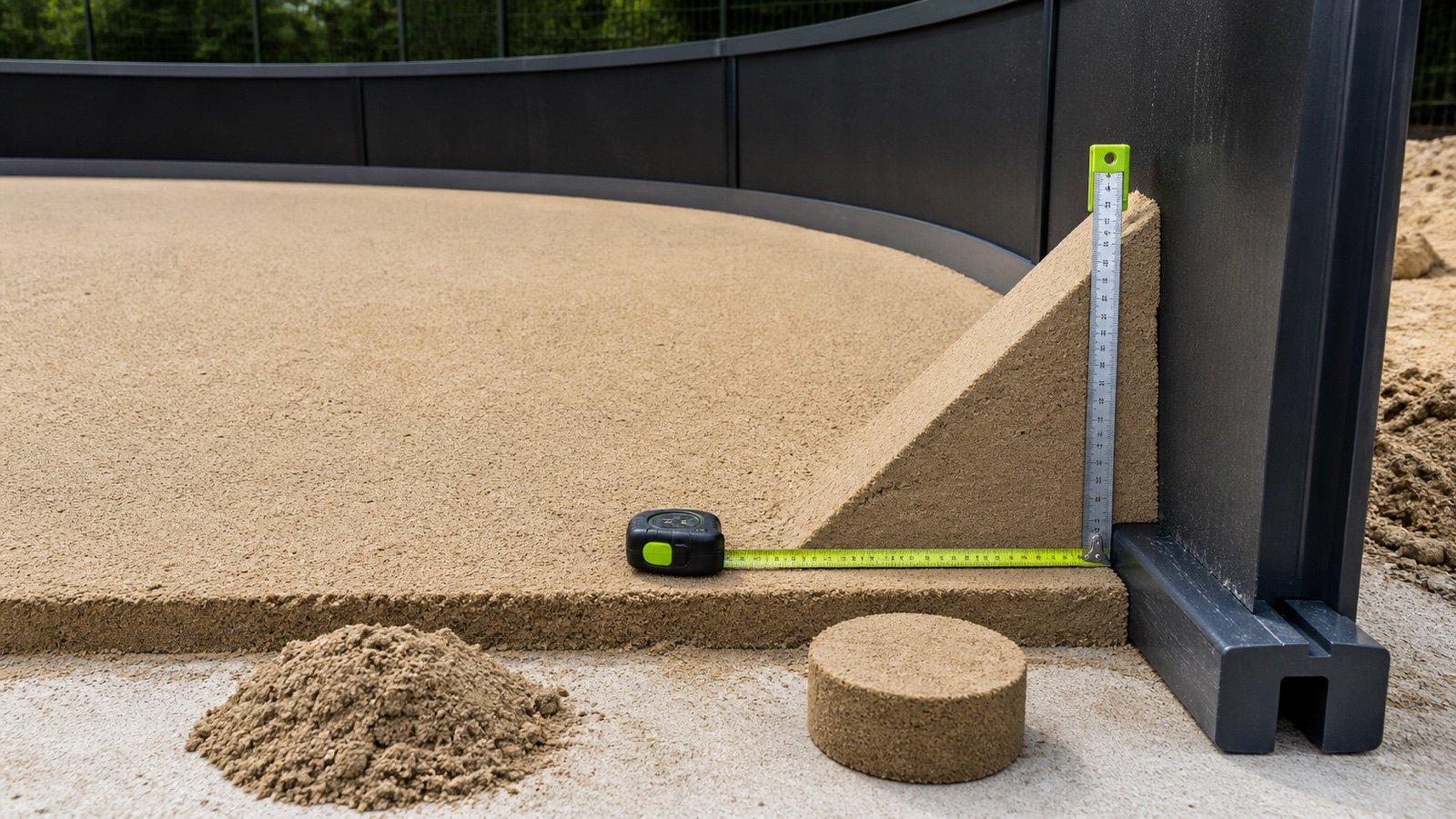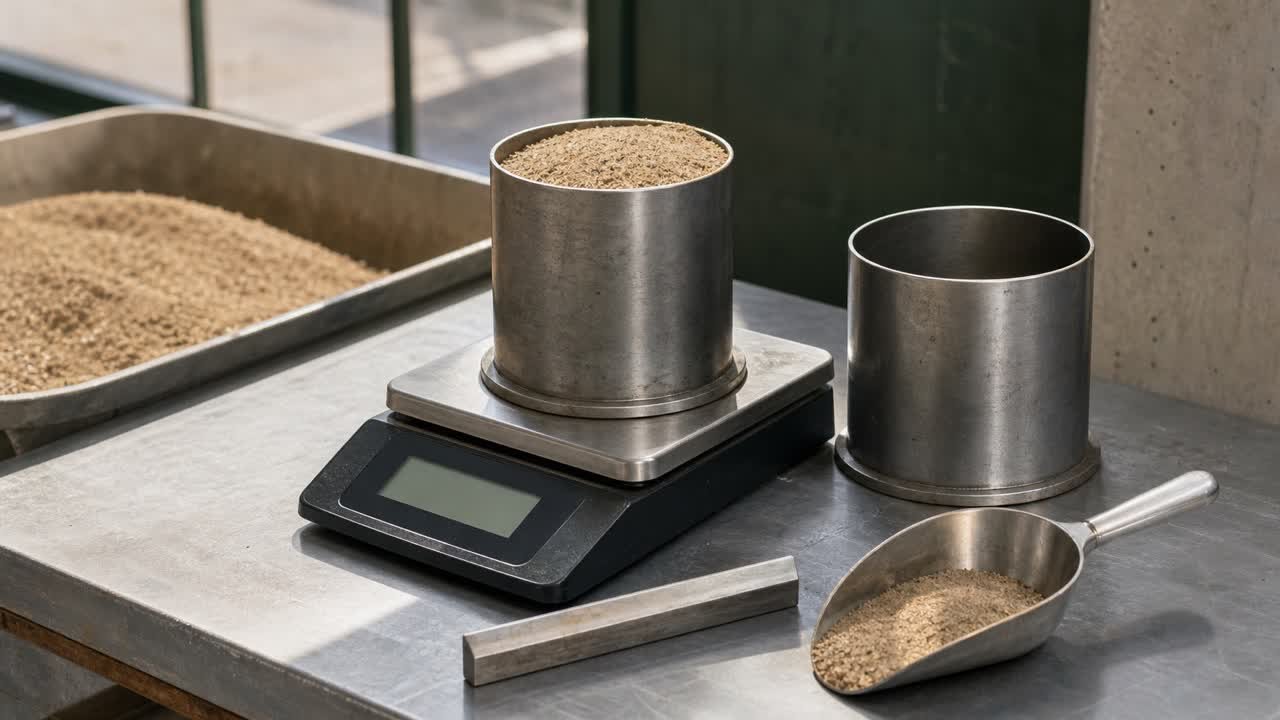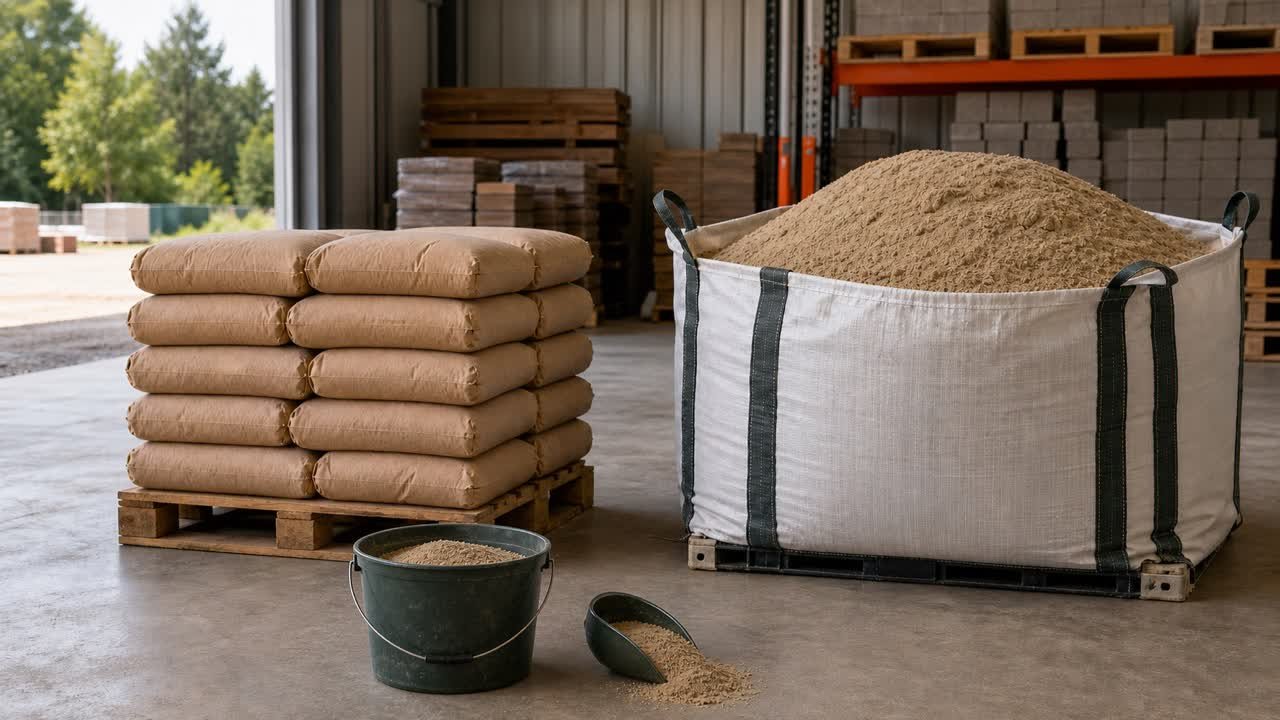
Bagged sand is easy to count and move in stages. Bulk sand removes packaging and can suit a larger measured quantity, but the quote may include a minimum order, delivery charge, unloading limit, or selling increment. Compare both formats using the same sand product and usable volume before looking at the final price.
Should you buy sand in bags or bulk?
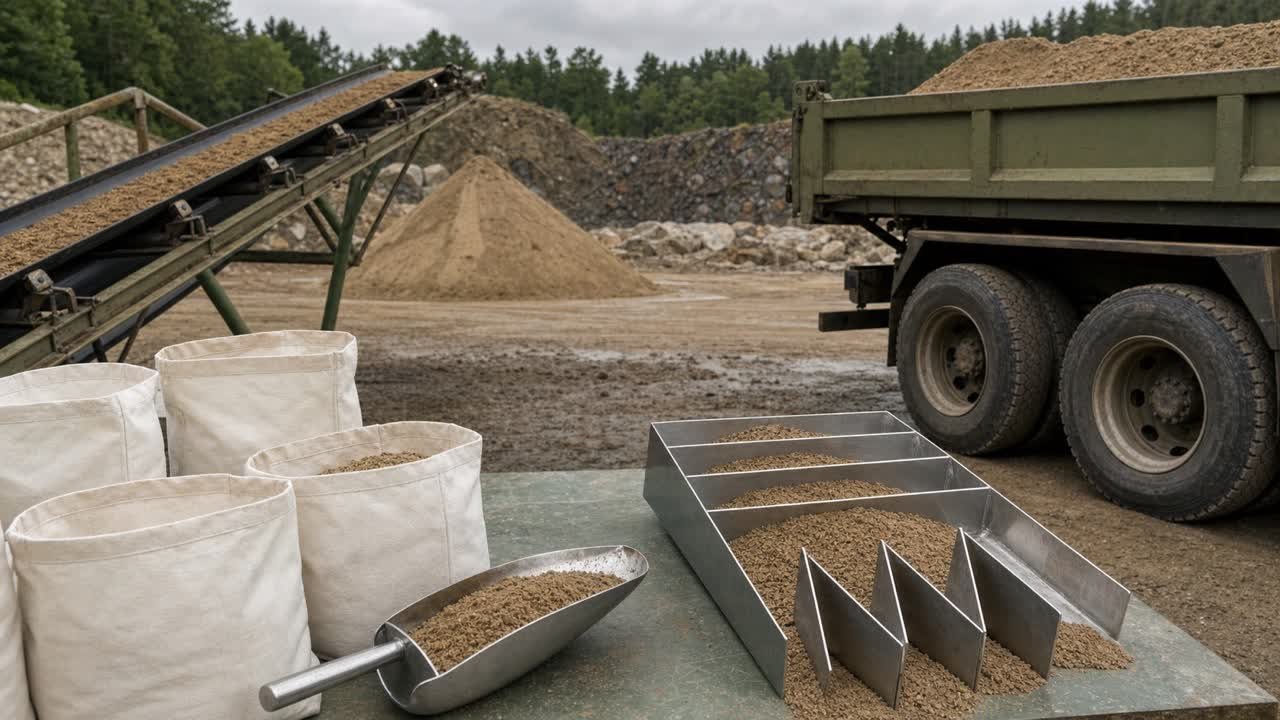
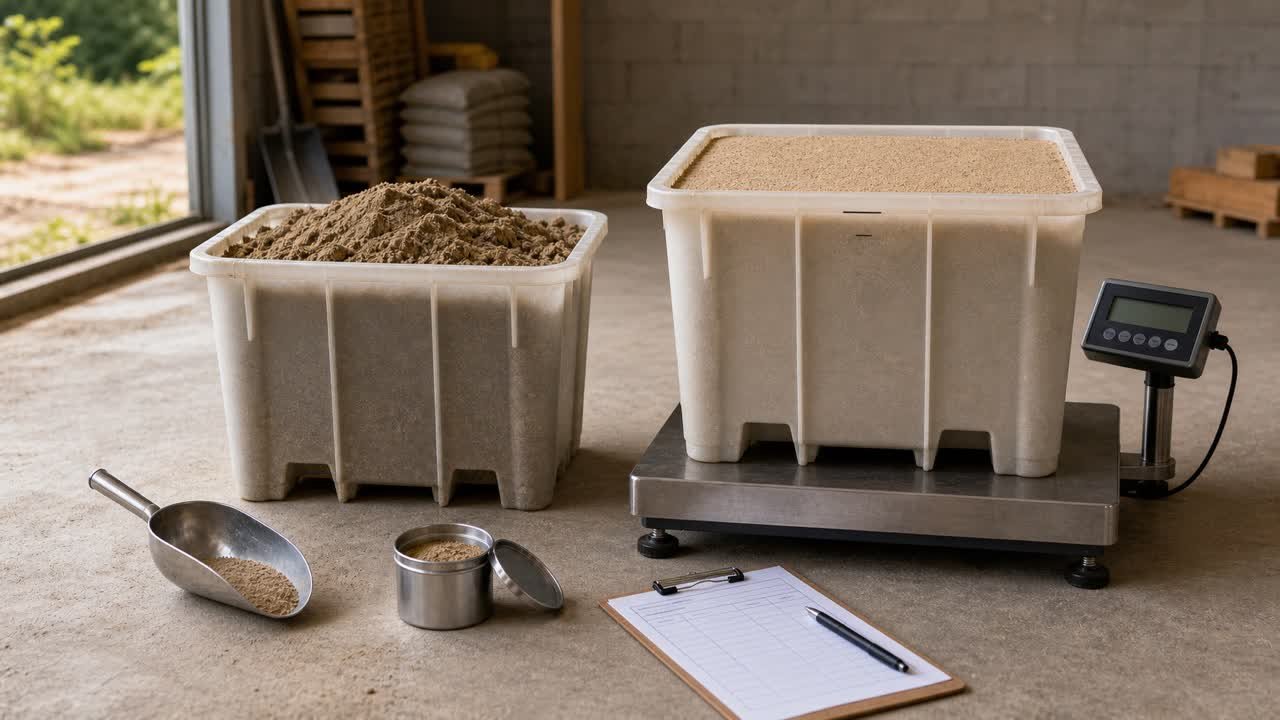
Buy the format that supplies the correct sand at the lowest practical total cost for your site. Bags can work well when access is restricted, the quantity is small, or material must be carried to separate work areas. Bulk can work well when the site can accept delivery and the required quantity fits the supplier's minimum and increment.
The answer changes with package yield, bulk selling unit, delivery fees, collection distance, site access, handling, storage, and leftover material. Use current quotes for the same specification.
Start with the exact sand product
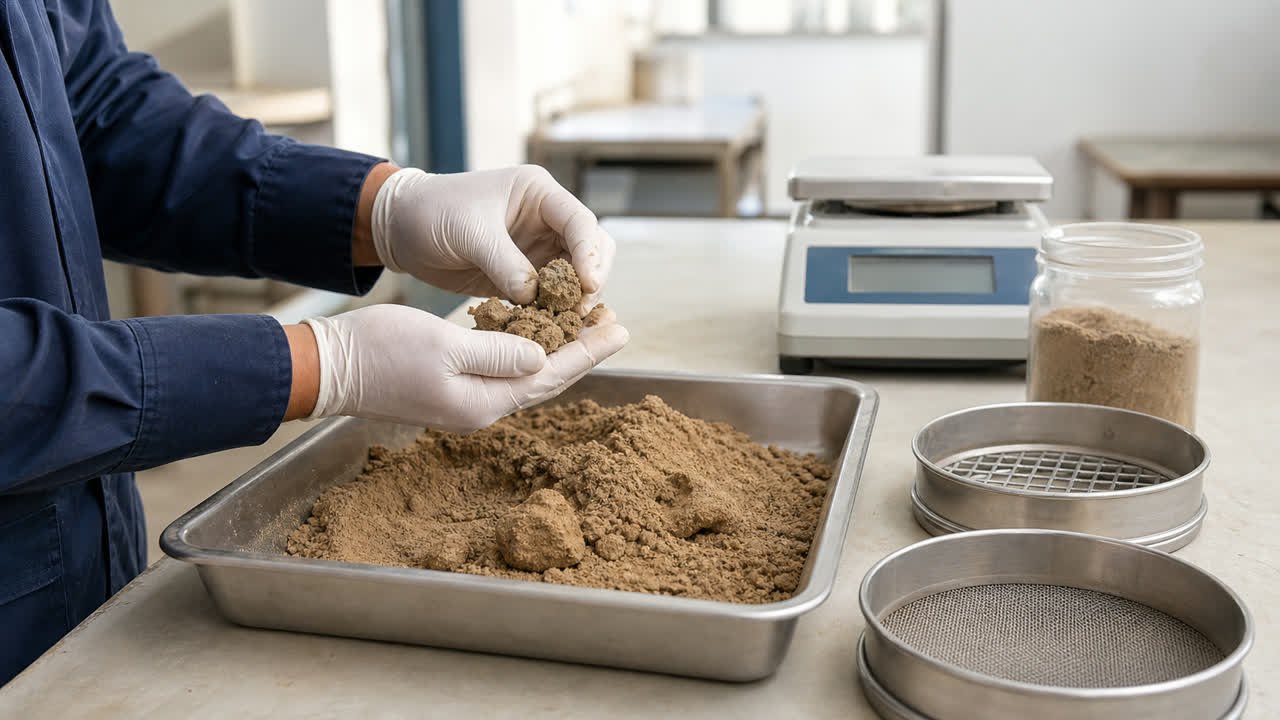
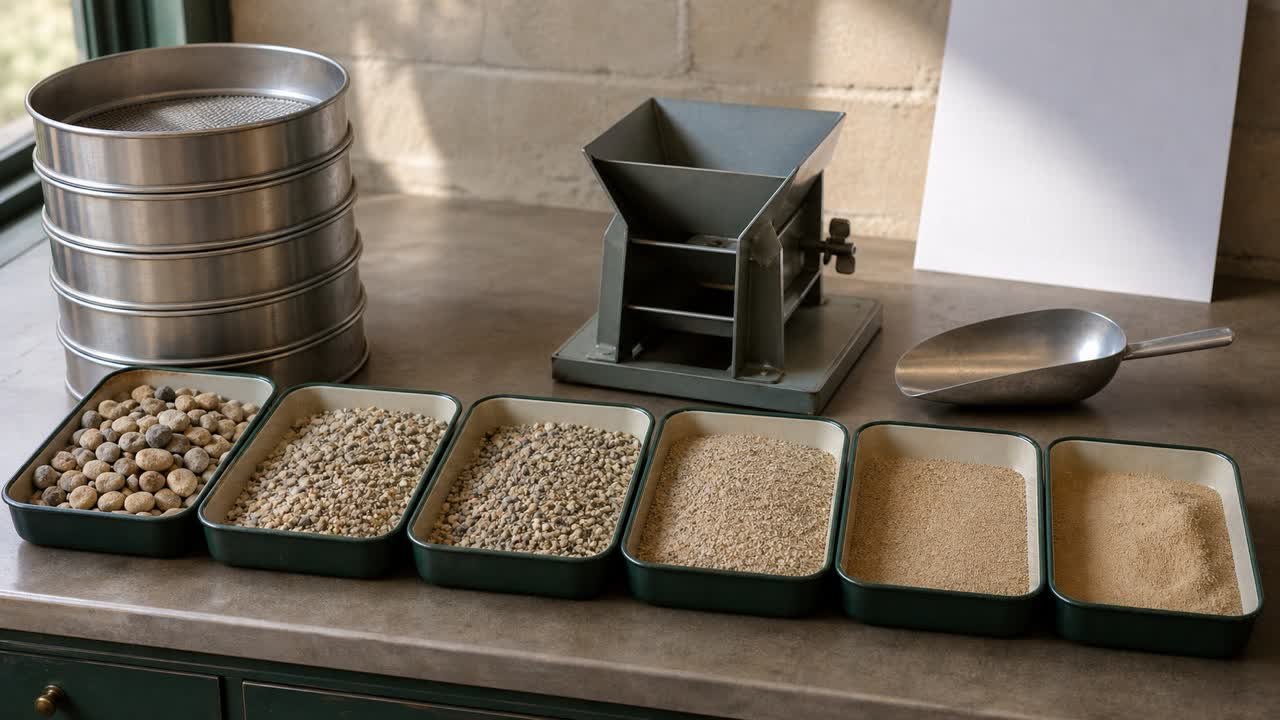
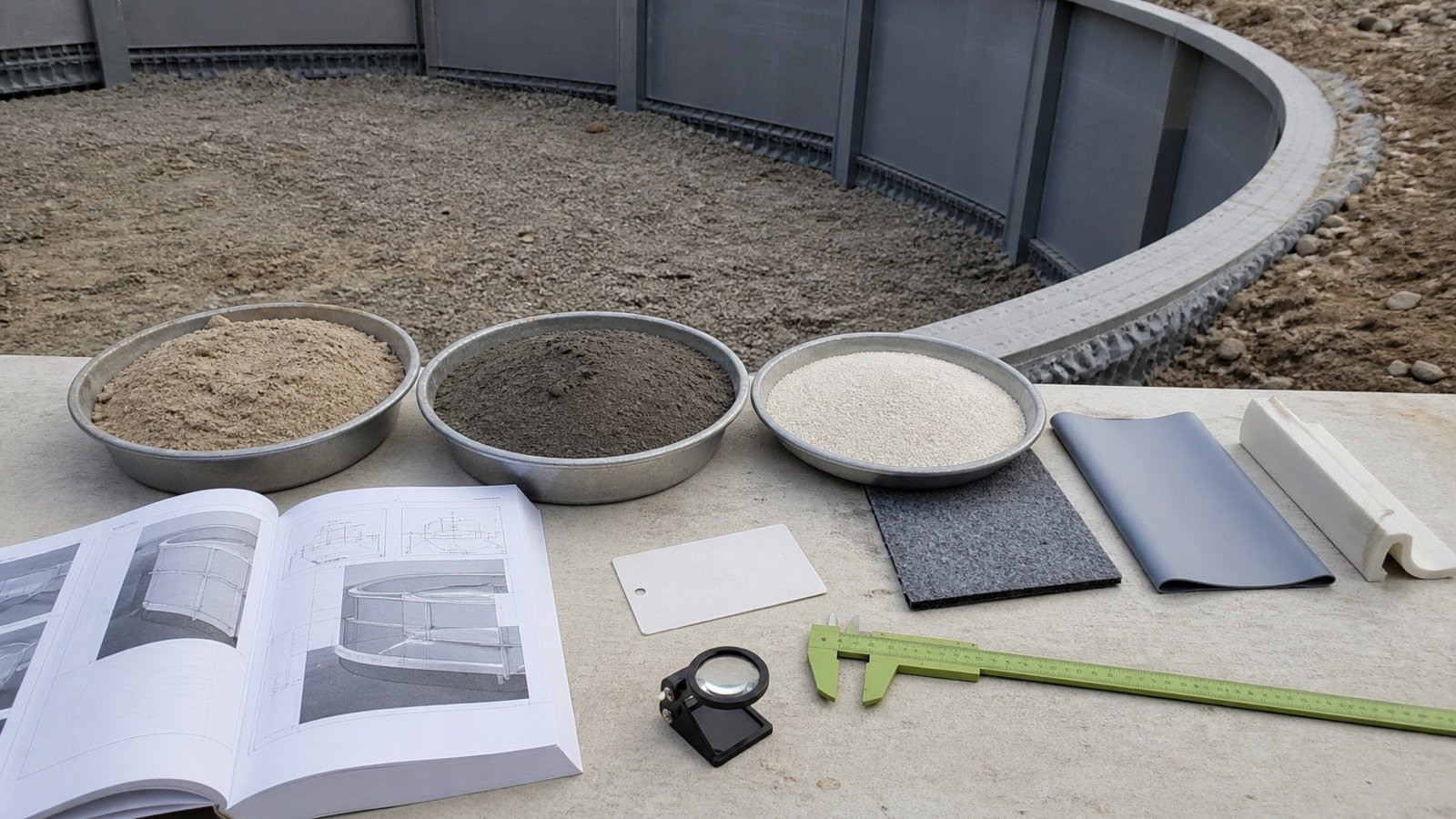
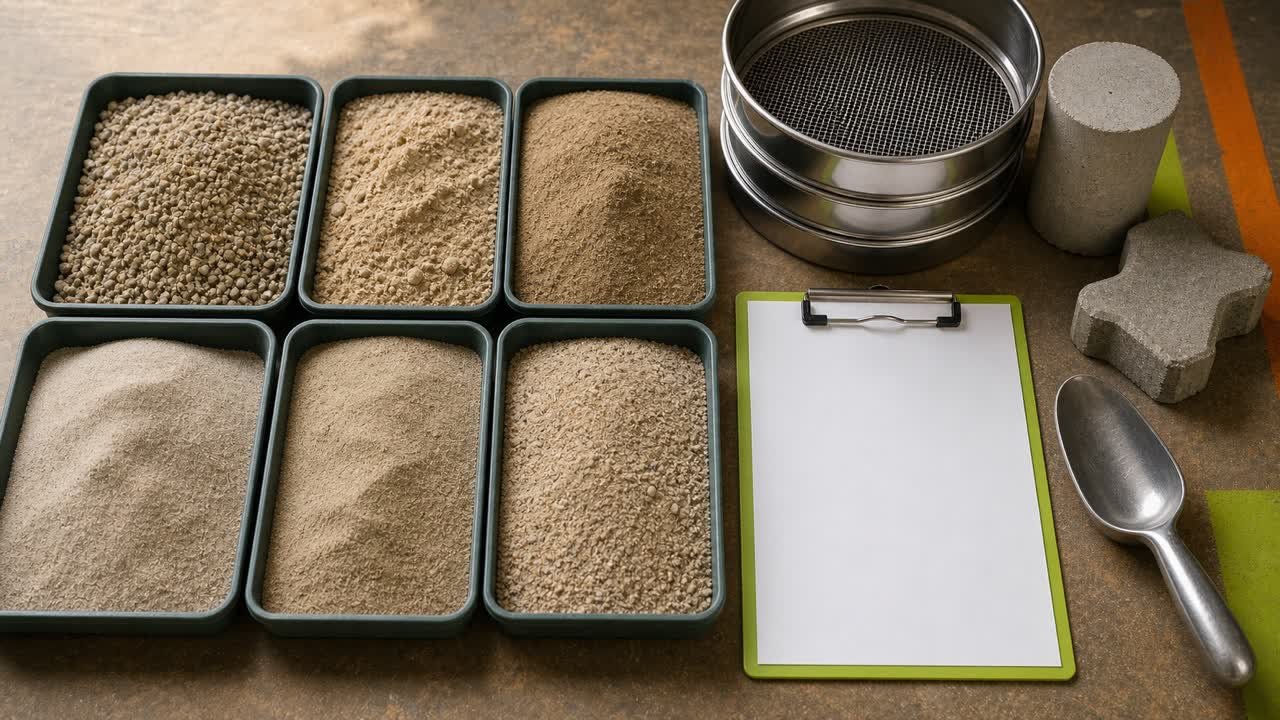
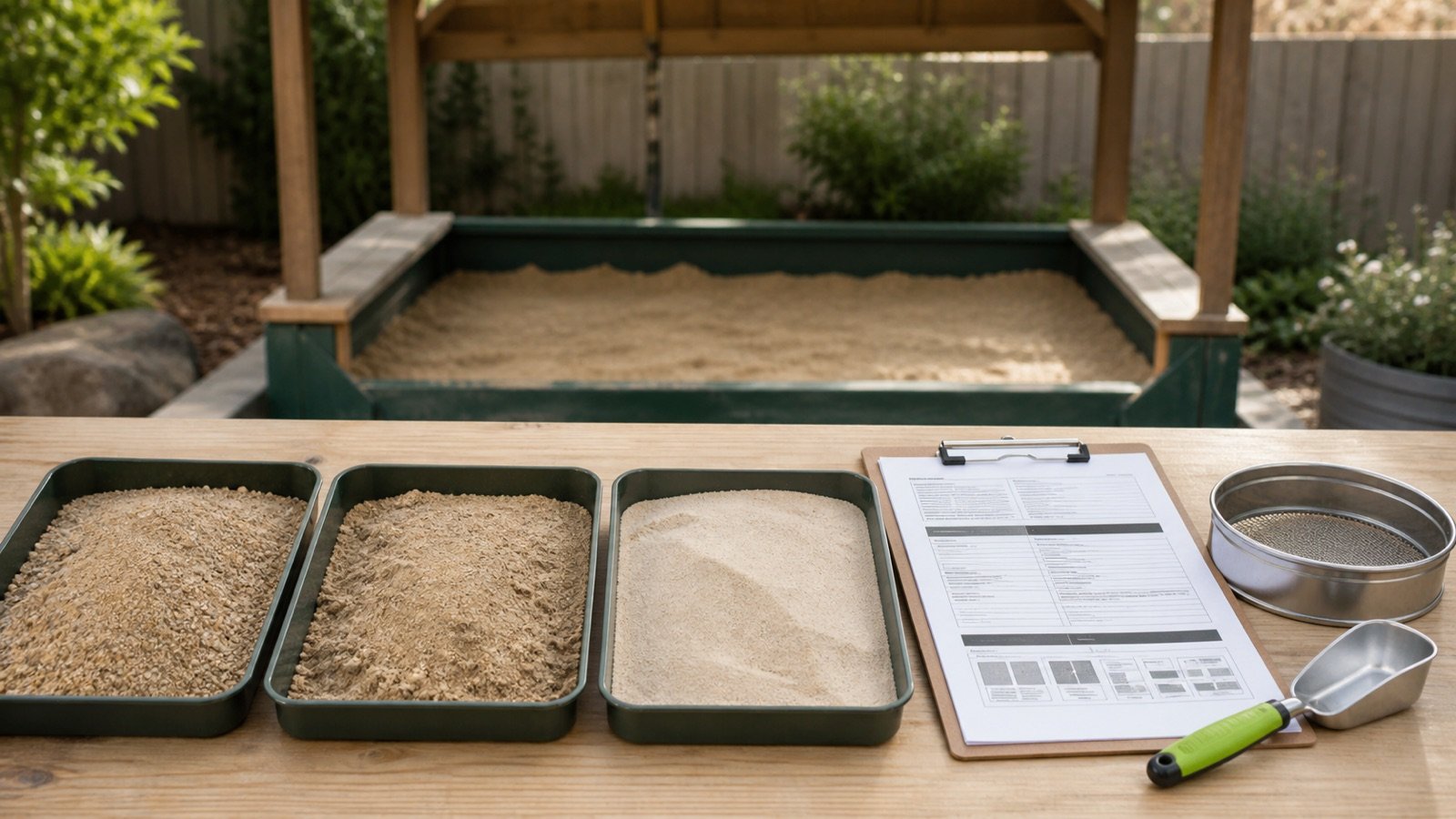
Confirm the application and governing product requirement before comparing price. Mason sand, concrete sand, bedding sand, play sand, jointing sand, and all-purpose sand are not interchangeable names. A supplier trade name may also cover a product with a local source or gradation.
Record the product name, specification, source, package size, and current data sheet. If the bagged option and bulk option do not meet the same requirement, the cheaper number is not a like-for-like comparison.
| Check | Bagged option | Bulk option |
|---|---|---|
| Product identity | Exact name and package size | Exact supplier name and source |
| Specification | Data sheet or label | Quote, data sheet, test record, or project approval |
| Selling unit | Whole bag | Cubic yard, cubic metre, mass, bulk bag, or truckload |
| Quantity evidence | Manufacturer volume yield | Supplier volume, scale mass, or documented capacity |
| Material condition | Condition stated by manufacturer | Loose, stockpiled, delivered, damp, or another stated basis |
The Types of Sand for Construction guide explains how to check a trade name against the application and project documents.
How do you convert one requirement into bags and bulk?
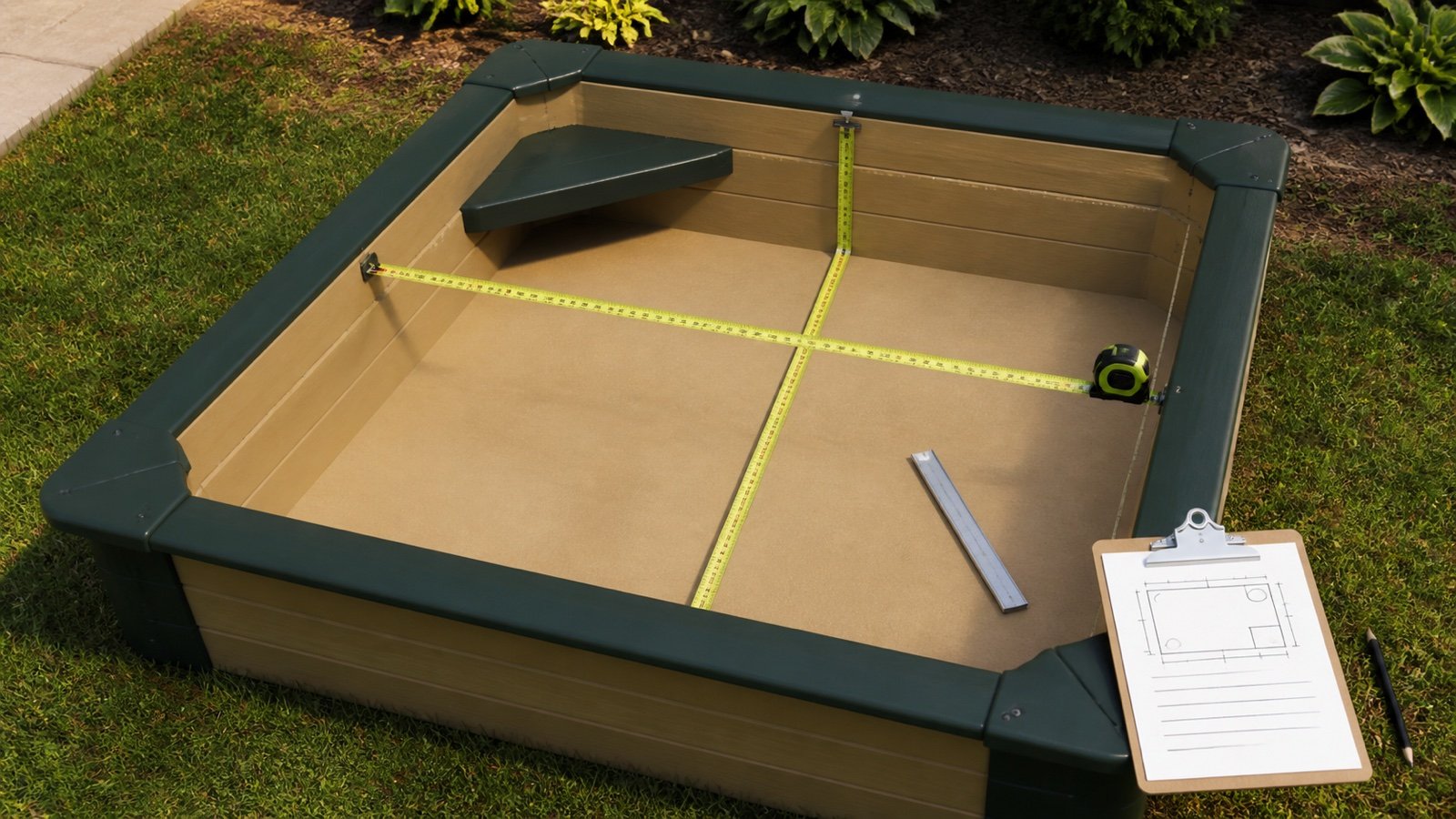
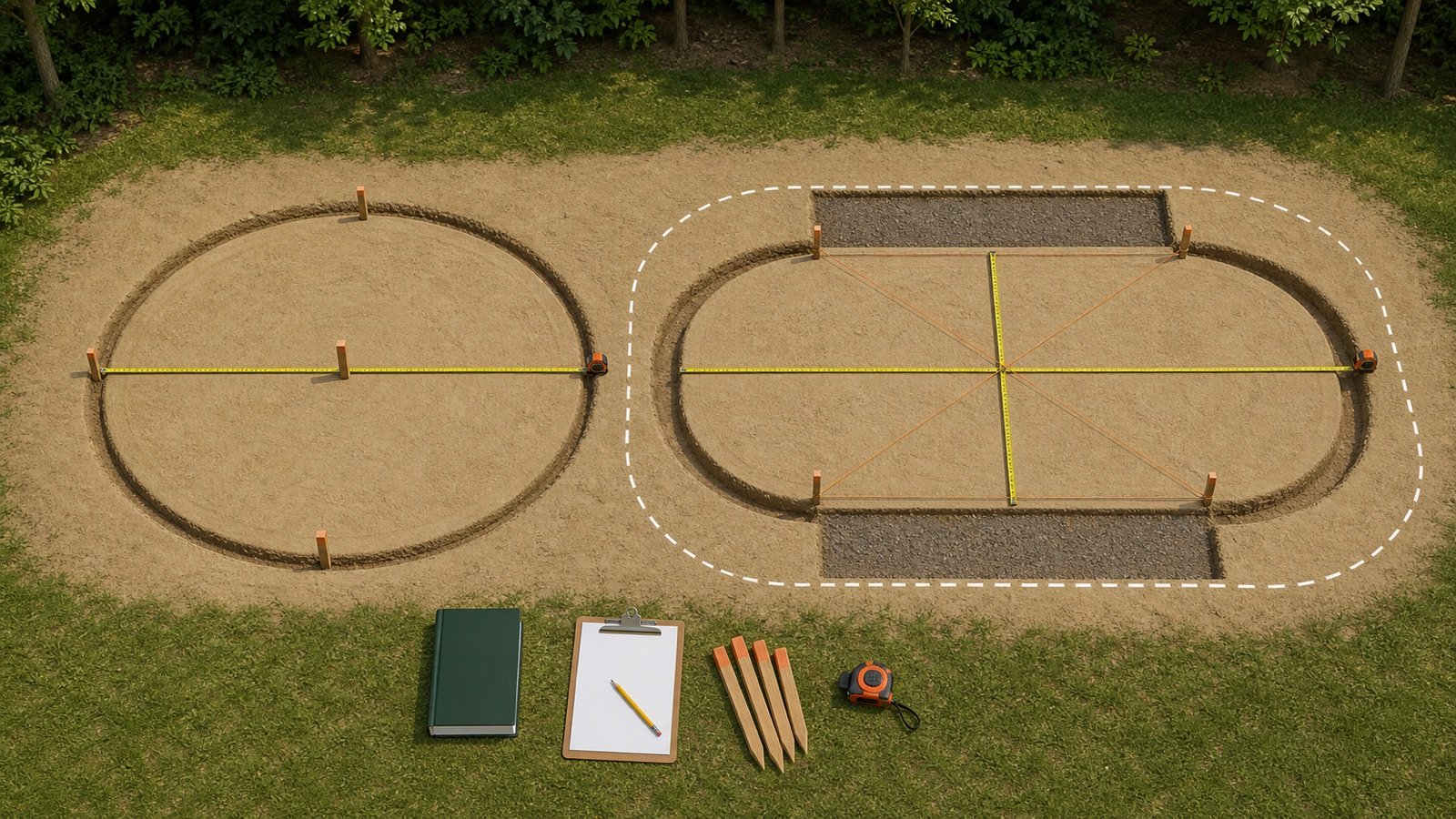
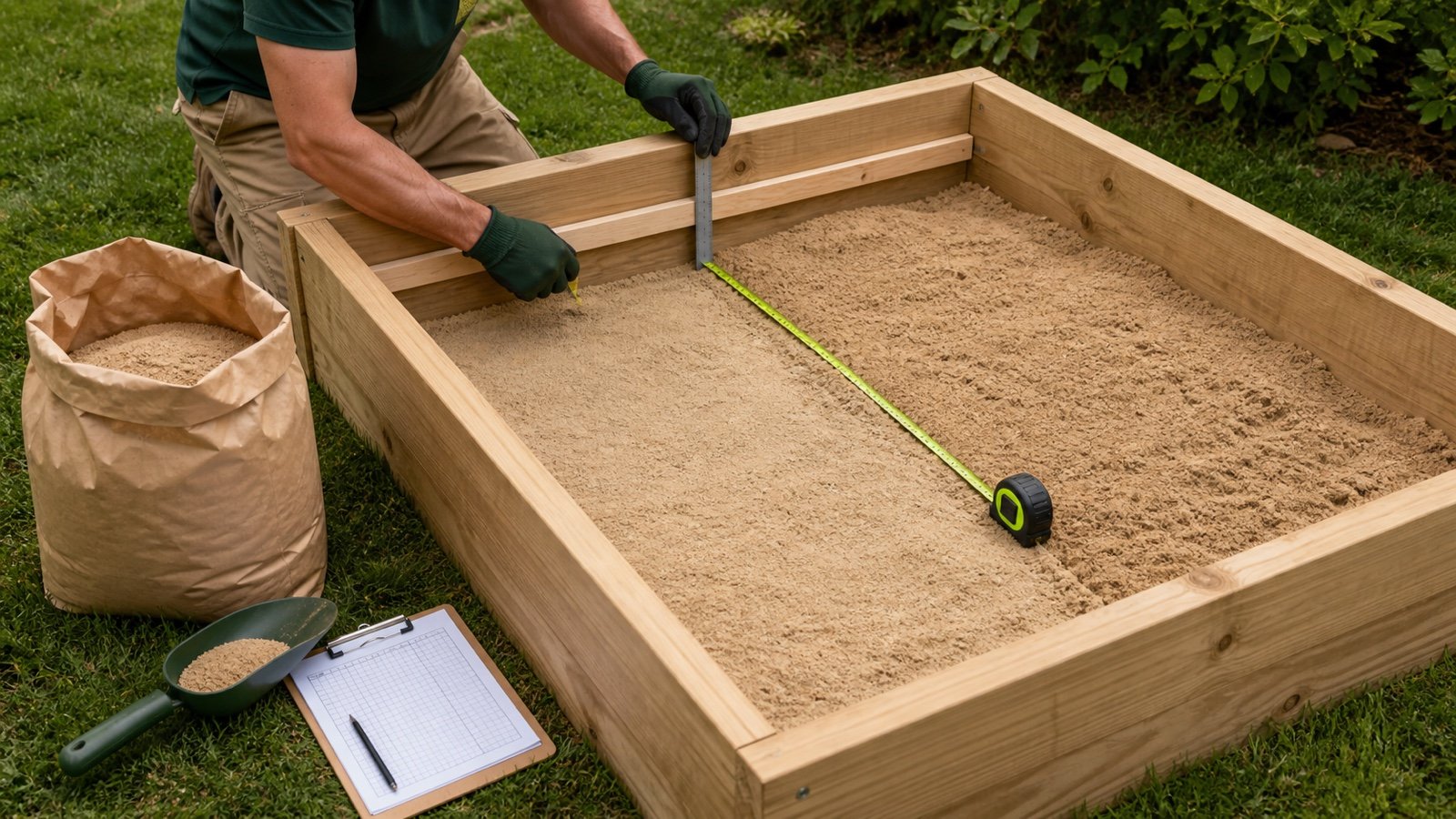
Start with the required sand volume from the Sand Calculator. Convert that volume to the unit stated by the package yield or supplier quote, then round at the order stage.
Required ft³ = required yd³ × 27
Required L = required m³ × 1,000
Whole bags = round up(required volume ÷ documented yield per bag)
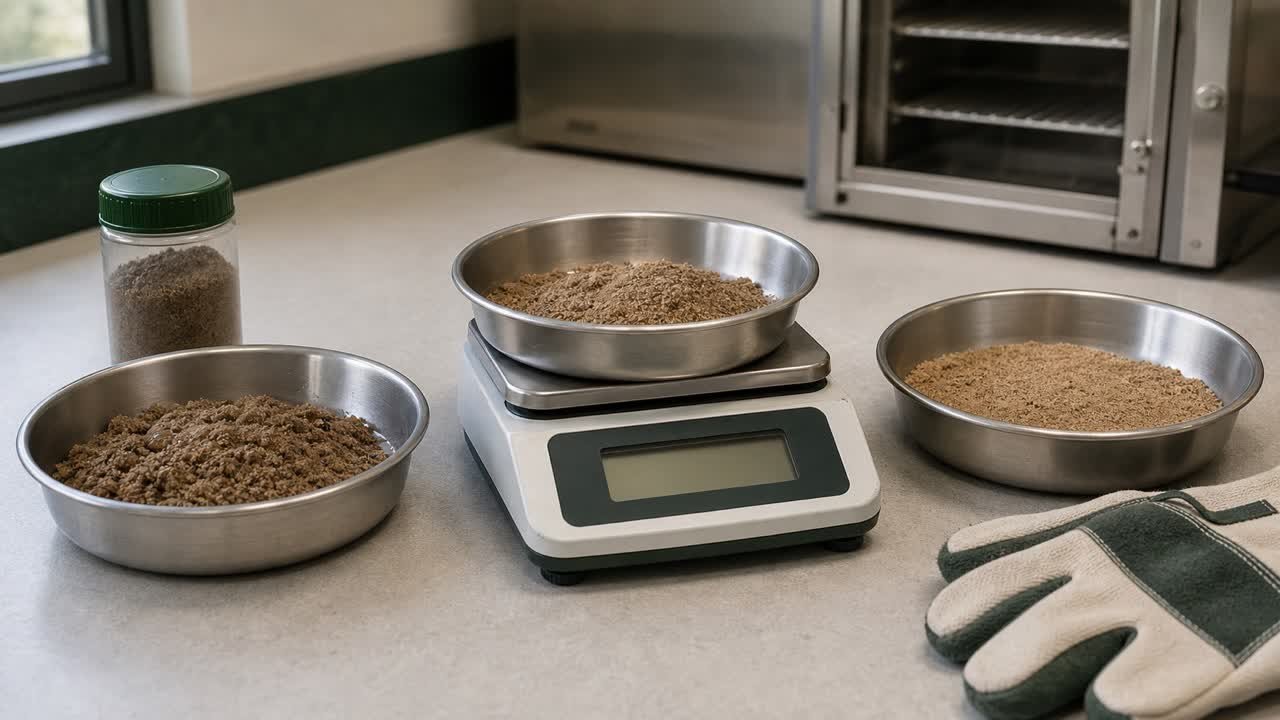
A bag's net mass does not tell you its usable volume. Use the current manufacturer's volume yield for the exact product and package. If only mass is available, a volume estimate needs a documented bulk density for that product and condition. The Sand Weight Chart keeps that conversion separate.
Worked bag example in cubic yards
A project requires 1.35 yd³ of masonry sand. The QUIKRETE Mason Sand 1952 data sheet lists an approximate 0.5 ft³ yield for its 50 lb bag.
- Convert the required volume: 1.35 × 27 = 36.45 ft³.
- Divide by the documented yield: 36.45 ÷ 0.5 = 72.9 bags.
- Round up once: order 73 whole bags.
This result applies to the named product and package. It does not establish that every 50 lb sand bag yields 0.5 ft³.
Worked bag example in cubic metres
The same product sheet gives an approximate metric yield of 14 L. For a requirement of 0.42 m³:
- Convert the volume: 0.42 × 1,000 = 420 L.
- Divide by package yield: 420 ÷ 14 = 30 bags.
Use the value printed on the current data sheet or package. A product revision or different package size can change the yield.
How do supplier minimums and increments change a bulk order?
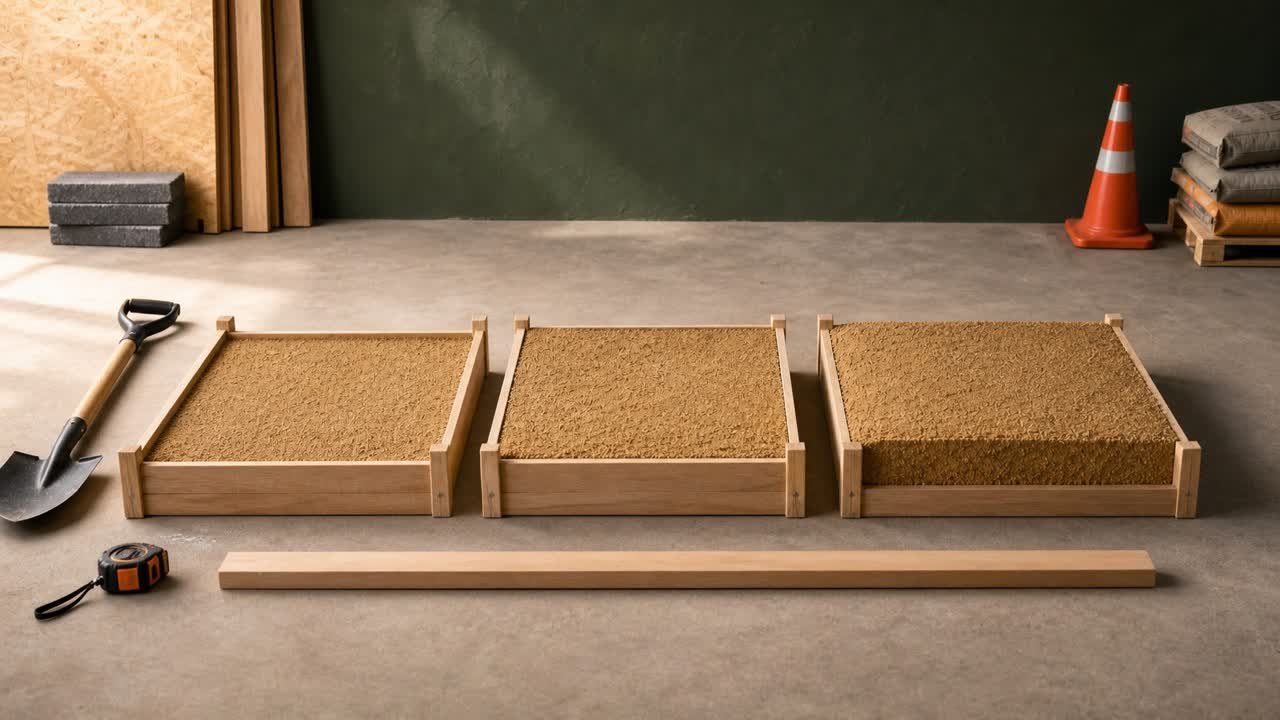
Round the measured requirement to the supplier's stated selling increment, then apply the supplier minimum. Keep the measured volume and ordered volume on separate lines.
Rounded quantity = round up(required quantity ÷ selling increment) × selling increment
Bulk order = greater of supplier minimum and rounded quantity
Assume a supplier accepts 0.25 yd³ increments and has a 1.00 yd³ minimum. For a 1.35 yd³ requirement, rounding produces 1.50 yd³. For a 0.60 yd³ requirement, increment rounding produces 0.75 yd³, but the minimum raises the order to 1.00 yd³.
Those increment and minimum values are hypothetical. Ask the selected supplier for the current terms, and confirm whether the quoted volume is measured by loader bucket, container capacity, or another method. If the supplier sells by scale mass, use its product-specific density to estimate the equivalent volume and retain the scale ticket as the dispatch record.
How do you compare the full delivered cost?
Compare totals after whole-bag and bulk-order rounding. A low unit price can lose its advantage after delivery, short-load, collection, pallet, unloading, tax, or return conditions are added.
| Quote line | Bagged sand | Bulk sand |
|---|---|---|
| Exact product and specification | Record | Record |
| Calculated requirement | Volume before package rounding | Volume or mass before supplier rounding |
| Order quantity | Whole bag count | Minimum and increment-adjusted quantity |
| Material subtotal | Bags × current price | Bulk units × current price |
| Delivery or collection | Record fee, distance, and vehicle | Record fee, zone, and truck type |
| Other stated charges | Pallet, deposit, tax, or handling | Short-load, waiting, access, tax, or handling |
| Credits or returns | Confirm unopened-bag and pallet terms | Confirm whether unused loose material can be returned |
| Total current quote | Add all applicable lines | Add all applicable lines |
Bag total = whole bag count × current bag price + applicable fees and taxes
Bulk total = ordered bulk quantity × current unit price + applicable fees and taxes
Record the quote date, location, delivery address, product, unit, quantity, fees, and expiry. Construction material prices and delivery terms change by supplier and market, so this page does not publish a generic price range.
Which site conditions can change the better option?
The cheapest quote can still be impractical if the truck cannot reach the unloading point or the crew must move loose sand through a finished building. Check the delivery path before ordering.
| Condition | Bags may help when | Bulk may help when |
|---|---|---|
| Access | Material must pass through gates, doors, stairs, or separate rooms | The delivery vehicle and unloading method can reach a prepared drop area |
| Work sequence | Small quantities are needed at different times or locations | A larger continuous placement can accept the material promptly |
| Storage | Unopened packages can be kept dry and protected as directed | A clean contained area can prevent mixing, runoff, and contamination |
| Handling | The site has a planned method for repeated package movement | Suitable equipment or a short controlled movement path is available |
| Leftovers | Supplier return terms apply to unopened bags | The project has a defined use or storage plan for the rounded surplus |
| Weather | Packages can be protected according to the label | The loose stockpile can be covered or managed for the required condition |
Do not assume bags are automatically easier. Seventy-three bags mean seventy-three package units to receive, check, move, open, and dispose of or recycle under local arrangements. Do not assume bulk is automatically faster either. A blocked delivery path or unprepared drop area can stop the unloading plan.
Can you combine bulk sand with a bagged top-up?
A hybrid order can reduce bulk over-ordering when the supplier minimum or increment leaves a small shortfall. Use it only when the bagged and bulk products meet the same project requirement and are compatible for the intended use.
- Calculate the full measured requirement.
- Choose the bulk quantity that stays at or below that requirement without creating an avoidable excess.
- Convert the remaining volume to whole bags using the exact package yield.
- Confirm product specification and compatibility with the supplier, manufacturer, or project authority.
- Keep both product records and quantities in the order file.
A matching trade name does not prove identical gradation, color, moisture, source, or performance. A visible finish, mortar, concrete mixture, tested pavement system, or specified drainage layer may not accept a casual substitute.
How should you check the quote and delivery?
Keep an order record that can be compared with the delivered packages or ticket. The record should preserve what was calculated, what was ordered, and what arrived.
- Exact product name, specification, source, and package size.
- Calculated volume before allowance or supplier rounding.
- Documented package yield or bulk density and material condition.
- Whole bag count or bulk selling-unit quantity.
- Supplier minimum, increment, unit price, fees, taxes, and quote expiry.
- Delivery address, access instructions, unloading point, and receiving contact.
- Delivered bag count, damaged packages, or ticket net quantity and unit.
- Leftover quantity and approved storage, return, or reuse plan.
NIST Handbook 133 and its package FAQs explain how declared net contents are checked for packaged goods. The net quantity statement helps verify the package declaration. It does not prove the bag's volume yield, construction suitability, or equivalence to a bulk product.
Handle sand and dust safely
Read the current product label and safety data sheet before handling or opening bags. Avoid creating unnecessary dust and follow the controls required for the actual task, worksite, and exposure.
OSHA's construction silica standard covers occupational exposure to respirable crystalline silica and includes task and exposure-control requirements. Its rules depend on the work being performed. This ordering comparison does not select protective equipment, engineering controls, housekeeping methods, or an exposure plan for a specific site.
Common bagged and bulk sand mistakes
- Comparing different sand specifications because the trade names sound similar.
- Using bag mass as package volume without a documented yield or density.
- Rounding each measured section to bags before adding the section volumes.
- Forgetting the supplier minimum or selling increment.
- Comparing material subtotals while leaving delivery and other quote charges out.
- Assuming a bulk bag, loader bucket, or truckload has one universal capacity.
- Ordering loose material before checking truck access and the unloading area.
- Using a bagged top-up without confirming product compatibility.
- Treating a quote quantity as proof of the delivered quantity.
Sources and scope
- QUIKRETE Mason Sand 1952 data sheet: named package mass, approximate volume yield, product description, and safety references.
- Sakrete Natural Play Sand: an example of product-specific package sizes, yield, and intended use.
- NIST Handbook 133, 2026 edition and NIST packaged-goods FAQs: net-content checking scope for packaged goods.
- NIST Handbook 44, 2026 Appendix C: volume-unit relationships.
- OSHA construction silica information: occupational silica-exposure scope and control context.
Scope: this page compares order formats after the project volume and correct sand product are known. Project documents, product instructions, current supplier quotes, applicable regulations, and responsible qualified people control product approval, mixture design, layer depth, transport, unloading, handling, safety, testing, and acceptance. Use the Sand hub for the full measurement, selection, weight, coverage, and ordering workflow.