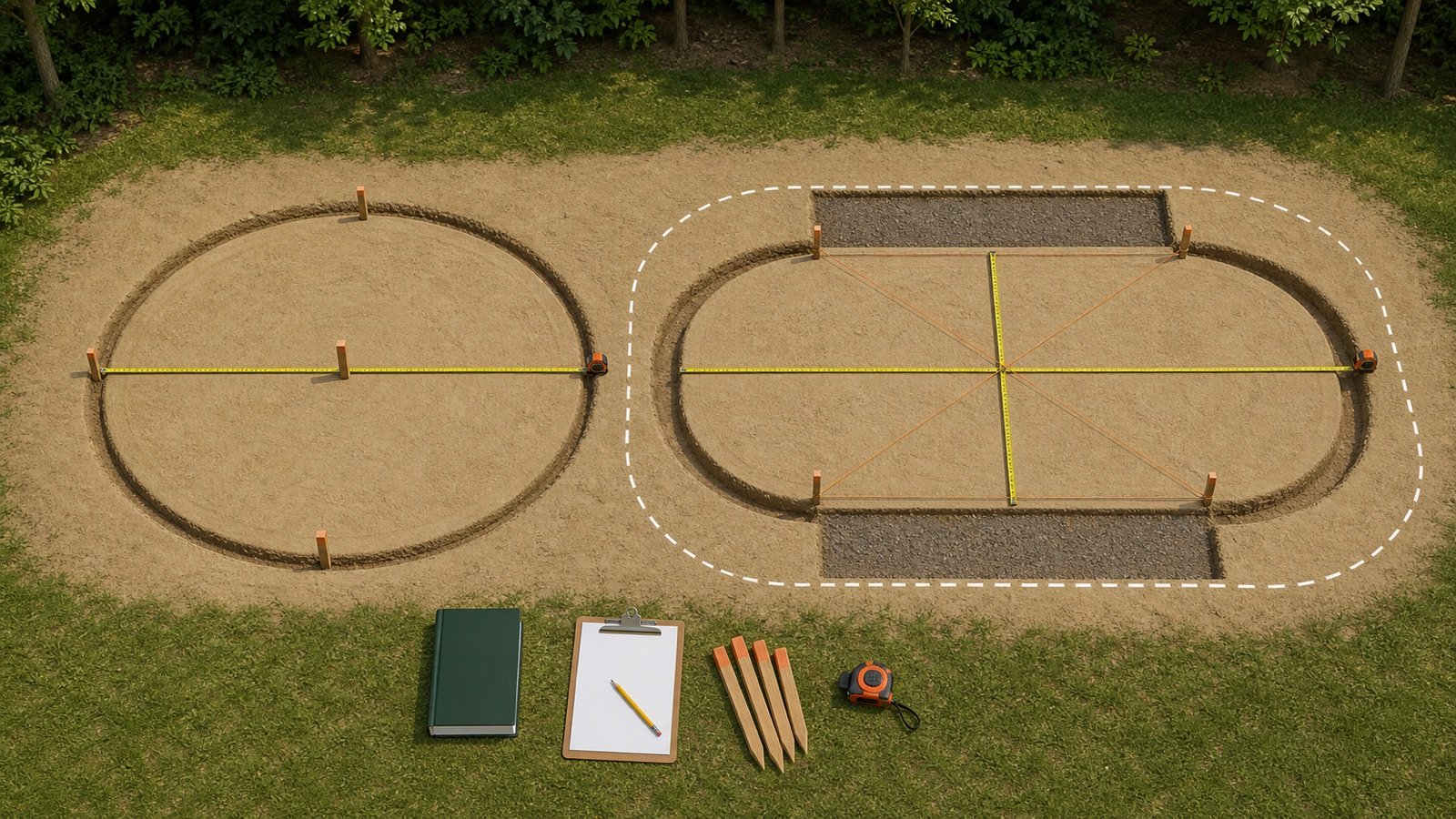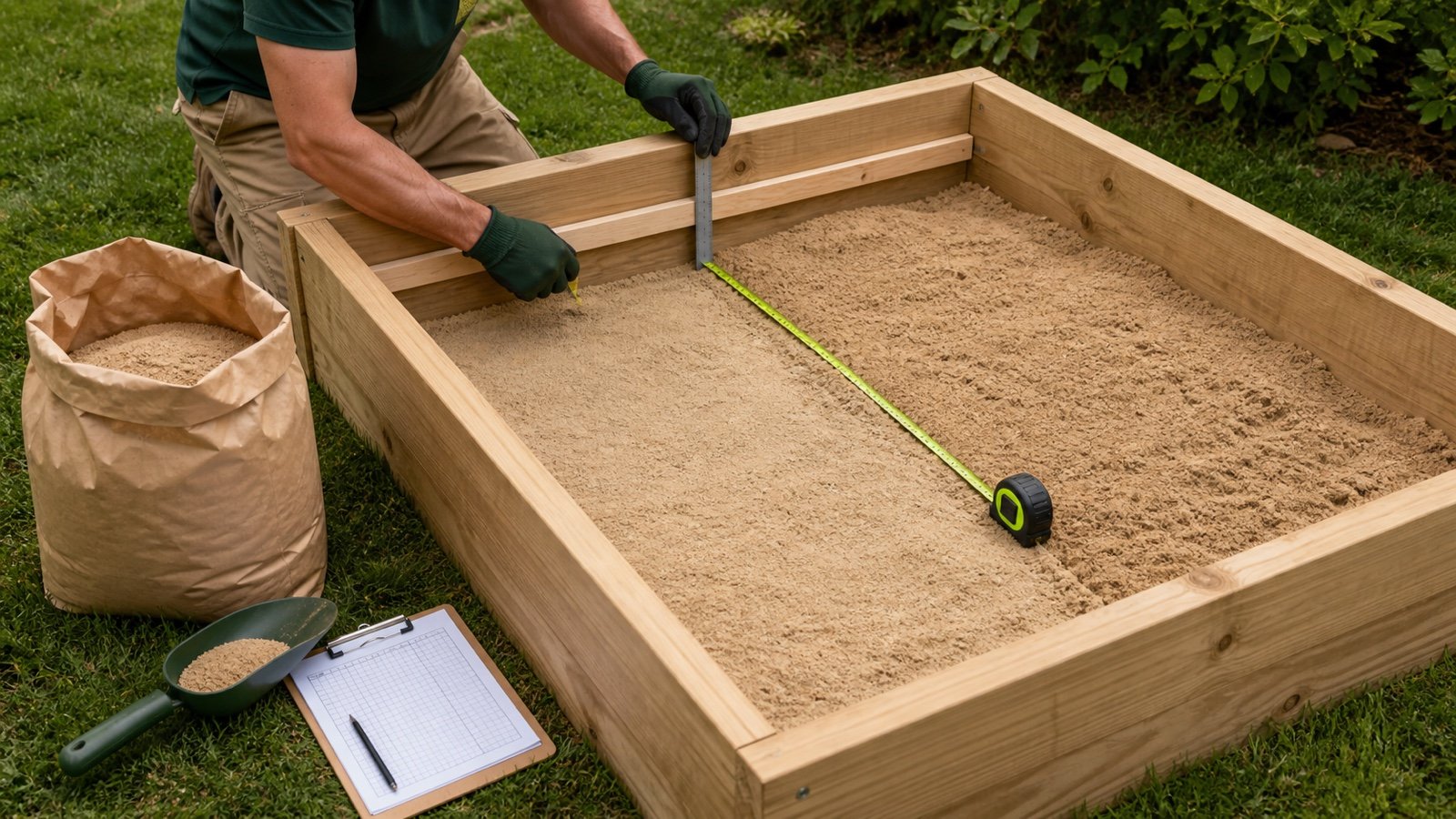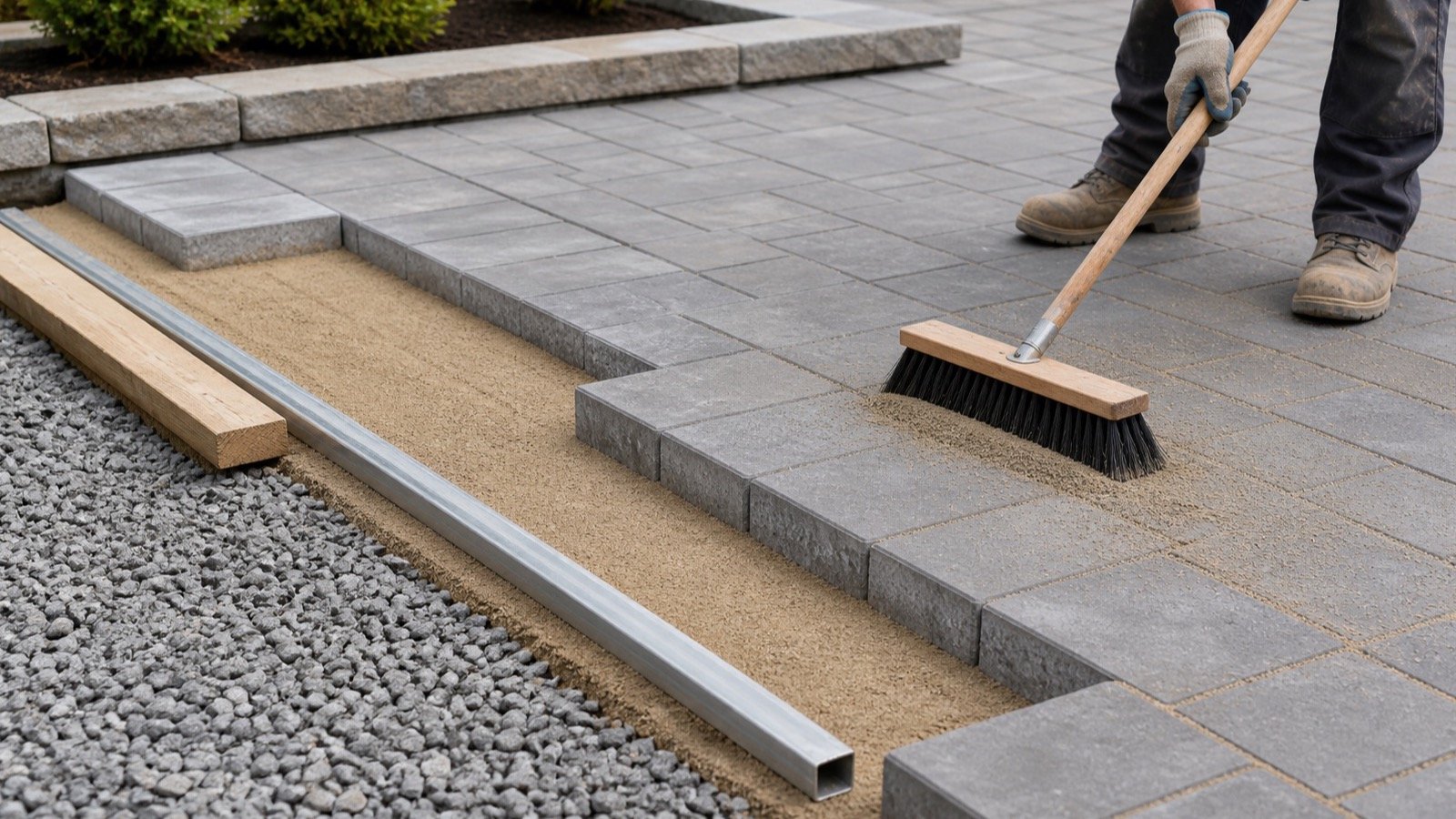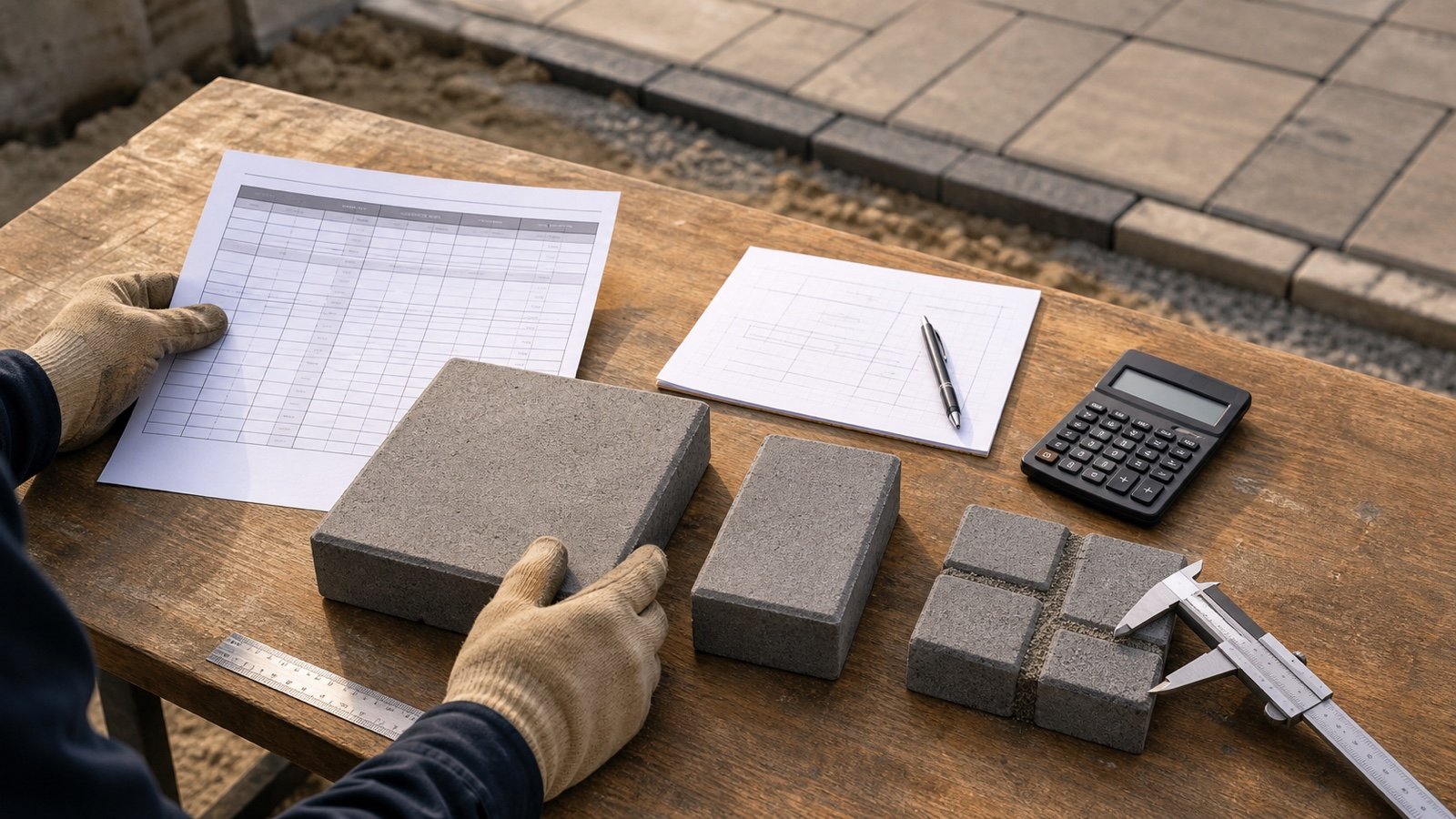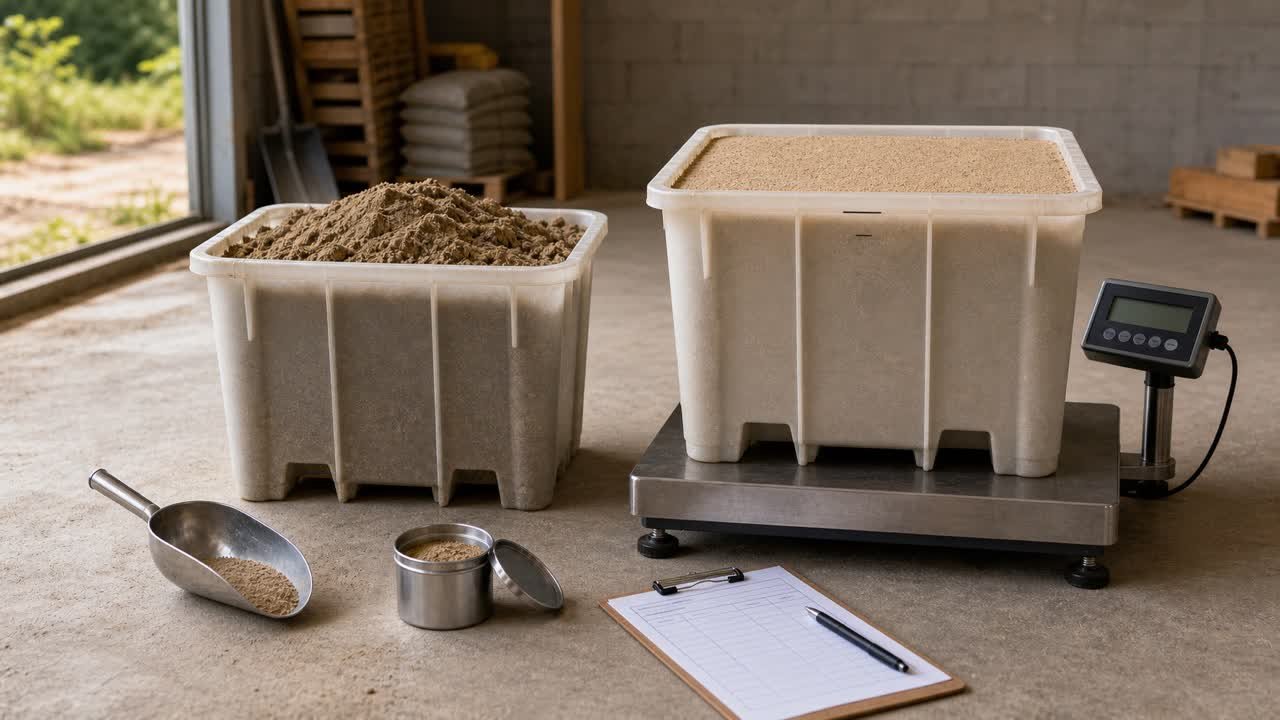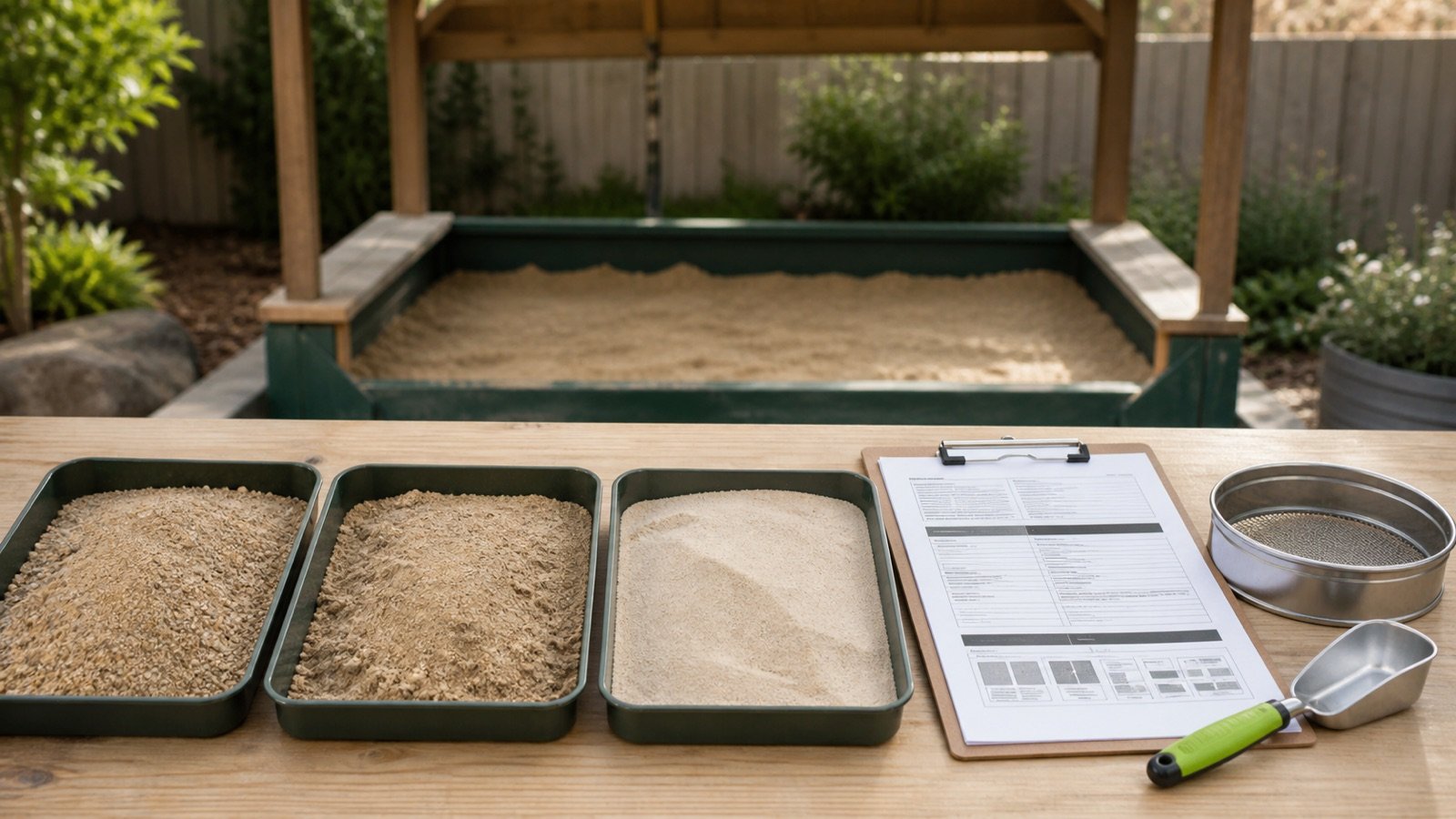
Construction projects use sand in concrete, mortar, fill, paving, drainage, and play areas. Each use can require different grading, quality, moisture, and performance records.
Which type of sand should you use for construction?
Choose construction sand by the governing application specification, current supplier data, and required material condition. Names such as concrete sand, mason sand, fill sand, sharp sand, play sand, and manufactured sand help you start a supplier conversation, but the name alone cannot prove grading, cleanliness, moisture state, or suitability.
Start with the drawing, specification, manufacturer instruction, or responsible designer. Match that requirement to a current product data sheet or test record, then confirm that the delivered material and ticket use the same product identifier.
Which sand type fits the project?
The application controls the first screening question. Concrete, masonry mortar, fill, paver bedding, paver joints, and play-area surfacing use different performance criteria. Ask the supplier for a product that meets the named project requirement rather than asking for a color or texture.
| Supplier category | Typical conversation | Evidence to request |
|---|---|---|
| Concrete sand or fine aggregate | Fine aggregate for a concrete mixture | Mix-design requirement, applicable grading and quality specification, source, and current test data |
| Masonry or mortar sand | Aggregate for site-mixed or specified masonry mortar | Mortar specification, aggregate grading, deleterious-material limits, and approved sample where appearance matters |
| Fill or utility sand | Leveling, backfill, trench fill, or general earthwork | Project gradation, compaction, drainage, contamination, and placement requirements |
| Manufactured sand | Processed fine aggregate made by crushing and classification | Intended end-use specification, grading, fines, quality tests, and source consistency |
| Paver bedding or joint sand | Bedding course below units or material placed in joints | Pavement-system specification, paver manufacturer instructions, grading, durability, and installation requirements |
| Play-area sand | Recreational play or public-playground loose-fill surfacing | Product safety information plus the applicable performance, depth, drainage, maintenance, containment, and accessibility requirements |
These categories describe purchasing conversations. They do not certify a product. Suppliers can use the same label for materials from different sources, screens, wash plants, or blends.
Concrete sand follows the concrete specification
Concrete fine aggregate must satisfy the project and mix requirements. ASTM C33/C33M-24 defines grading and quality requirements for concrete aggregates and allows natural sand, manufactured sand, or a combination as fine aggregate.
The source label does not decide acceptance. A natural sand can fail a required grading or quality limit, while a processed manufactured sand can pass. Ask the concrete producer or responsible mix designer for the controlling specification and approved source. Site staff should not substitute a stockpile because both products look coarse and tan.
Records to request for concrete fine aggregate
- Exact product and source identification.
- Applicable specification and project exceptions.
- Current grading or sieve-analysis report.
- Required quality and deleterious-material test records.
- Moisture information used by the concrete producer where mix-water adjustment applies.
Concrete proportions and performance remain under the approved mix design and quality-control process. The Sand Calculator can estimate a separate sand layer or bulk quantity, but it cannot create a concrete mix design.
Masonry sand follows the mortar requirement
Masonry mortar needs aggregate that matches the mortar specification and work. ASTM C144-25 covers aggregate for masonry mortar, including natural sand and manufactured sand processed to meet its grading requirements.
A smooth feel can help a mason discuss workability and finish, but touch cannot replace grading and quality records. Joint profile, unit absorption, mortar proportions, weather, mixing, tooling, and workmanship also affect the finished masonry. Historic repair adds color, texture, hardness, and compatibility questions that require an approved sample or project-specific analysis.
Use a sample panel when appearance controls
Build and approve a sample panel or mock-up when the contract calls for a visual match. Record the sand source, product, mortar materials, proportions, mixing method, joint tooling, and curing conditions used for the accepted panel. A later source change can alter the finish even if the delivery ticket still says mason sand.
Fill sand needs an earthwork requirement
Fill sand describes an intended use more often than a single national product. The project can control grading, maximum particle size, plasticity, contamination, organic content, compaction, moisture conditioning, drainage behavior, and test frequency.
Ask which layer receives the material. Pipe bedding, structural fill, trench backfill, landscape leveling, drainage fill, and a temporary working surface can carry different requirements. A supplier's general-purpose fill may suit one layer and fail another.
Compaction belongs to the placement record
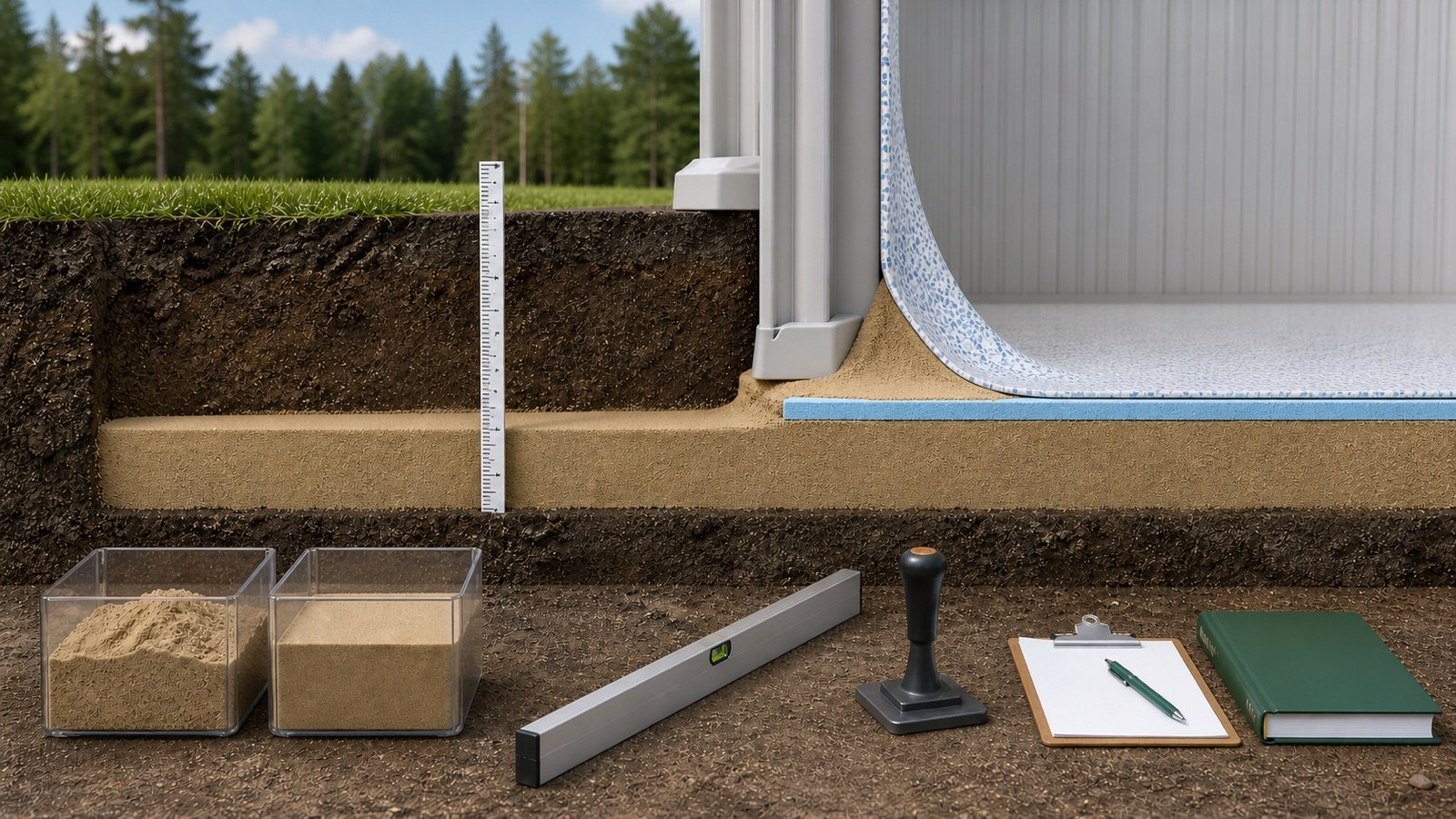
Bulk delivery volume and compacted in-place volume describe different states. Record the measured area and required finished depth, then keep any shrinkage, settlement, compaction, or overbuild allowance separate. Field density requirements and test results belong to the project quality record.
A fixed internet percentage cannot account for material gradation, moisture, placement lift, equipment, target density, or site confinement. Use the geotechnical documents, earthwork specification, test section, or responsible project professional.
Manufactured sand describes production, not final use
A producer makes manufactured sand by crushing and processing rock or other permitted aggregate material. Screening, classification, washing, blending, and quality control shape the final product. The term identifies a production route and does not establish suitability for concrete, mortar, asphalt, bedding, or fill.
Specify the end use first. ASTM C33 permits manufactured sand within concrete fine aggregate, while ASTM C144 permits processed manufactured sand for masonry mortar when it meets the standard. Each application keeps its own requirements.
Check changes in the production stream
Ask the supplier how the source and process stay consistent. A crusher setting, screen, wash circuit, feed rock, or blend change can alter grading and fines. Current test dates and product identifiers help the purchaser connect a report to the material delivered.
Paver bedding sand and joint sand serve different layers
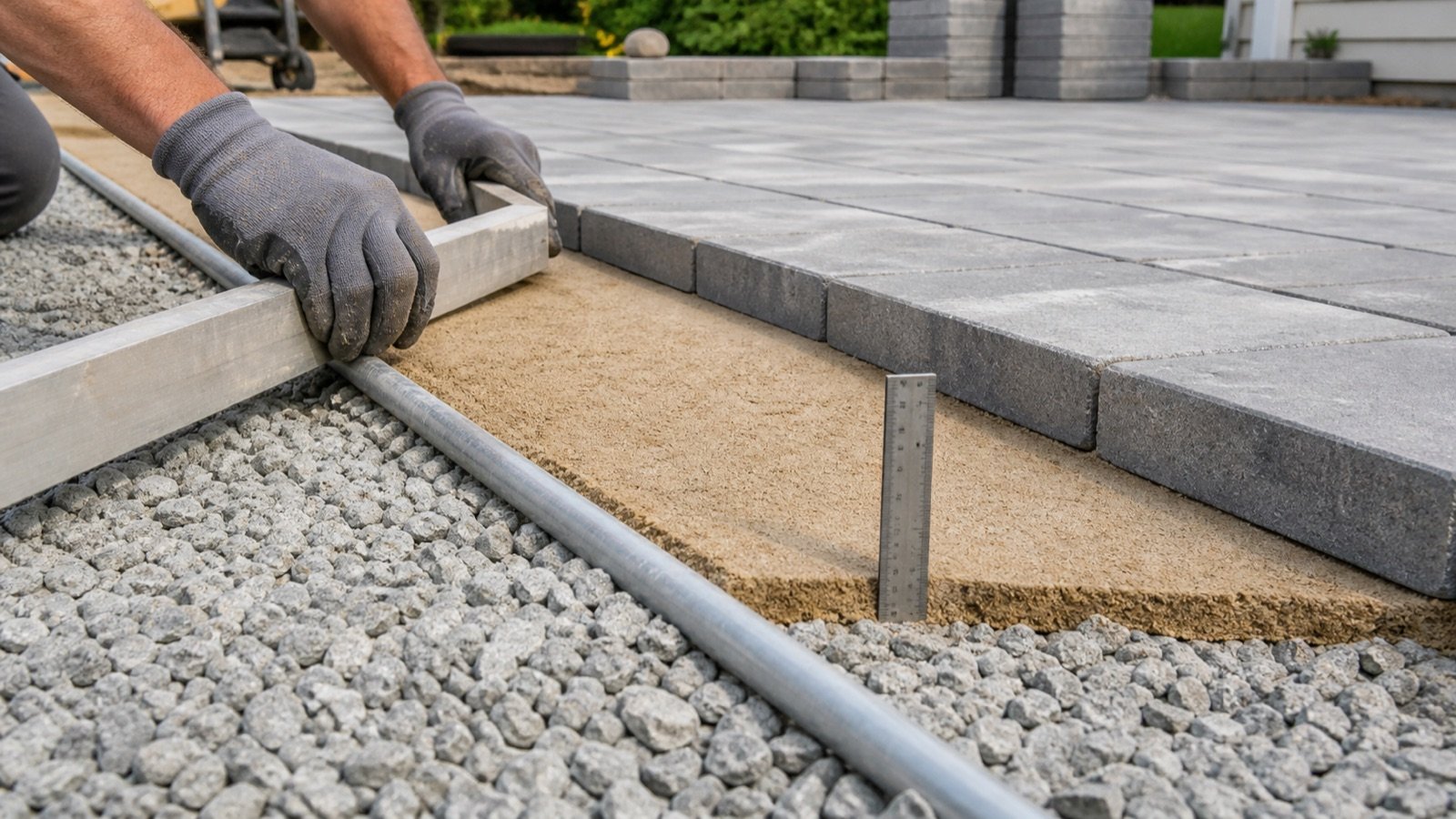
Interlocking concrete pavement treats bedding and joints as parts of a system. CMHA guidance on bedding-sand selection notes that typical specifications reference concrete-sand gradations and can add project-specific limits. The pavement design and installation documents control the accepted product.
Bedding sand forms the layer beneath the pavers. Joint sand fills spaces between units and interacts with compaction, interlock, drainage, and maintenance. Some projects use compatible material for both tasks; other systems specify a different joint product or stabilizer. Confirm the written system instead of swapping products from a generic use table.
Stone screenings need explicit approval
Fine screenings can contain a particle-size distribution or durability profile that differs from the required bedding material. CMHA warns that some limestone screenings can degrade during construction. Obtain project approval and supporting test data before treating a locally available screening as bedding sand.
Play sand and public-playground surfacing need separate checks
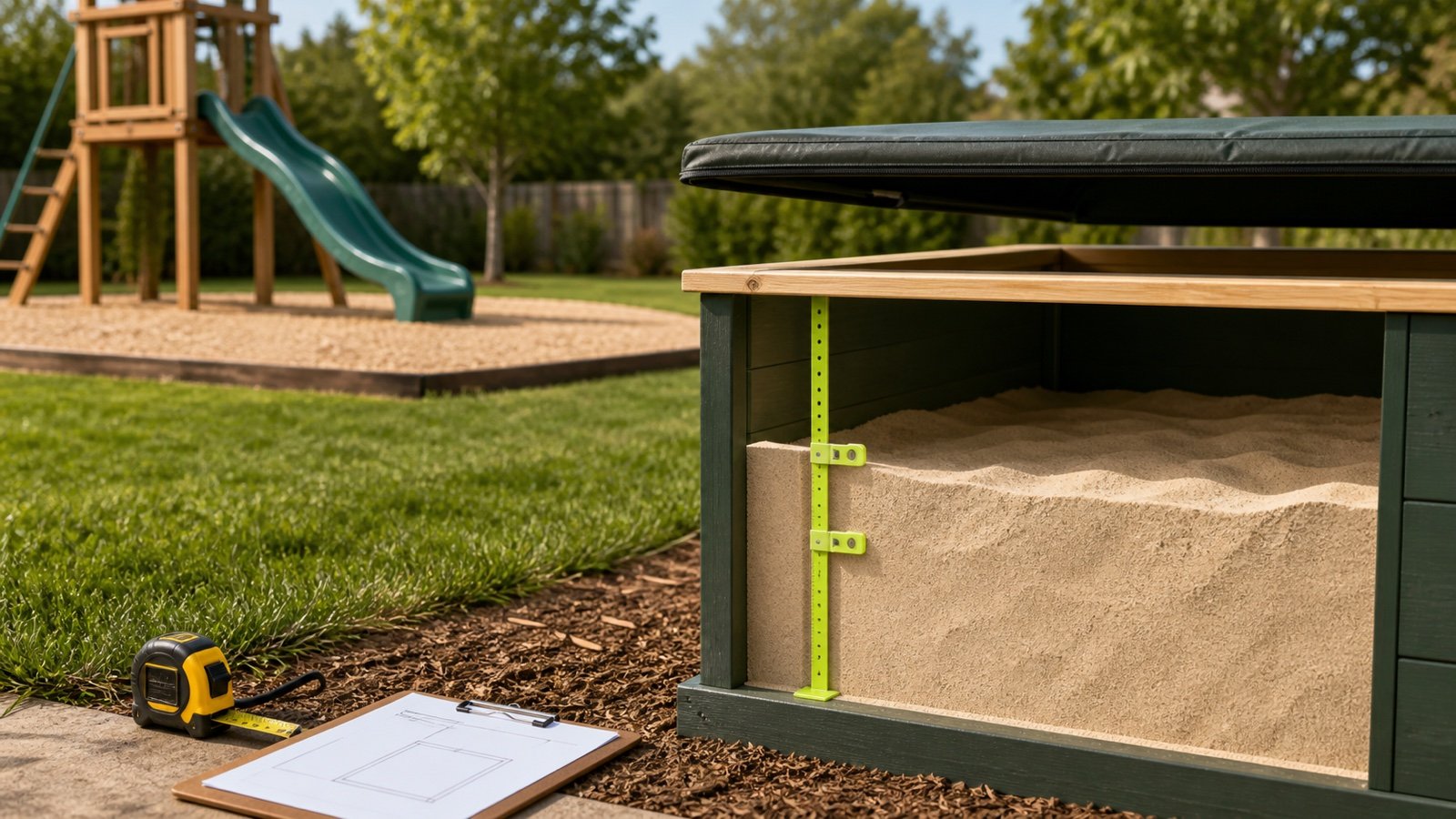
A bag labelled play sand may suit a residential sandbox under its product instructions. Public-playground protective surfacing carries a larger performance and maintenance task. The CPSC Public Playground Safety Handbook addresses installed and compressed depth, critical height, drainage, displacement, containment, maintenance, field testing, and accessibility considerations for loose-fill materials.
Appearance and a washed claim do not establish impact performance. The CPSC advises users to check whether loose-fill materials have undergone performance testing and to maintain depth in high-displacement areas such as swing zones and slide exits. The equipment, use zone, climate, drainage, accessibility needs, governing requirements, and inspection program all affect the decision.
Gradation explains more than a coarse or fine label
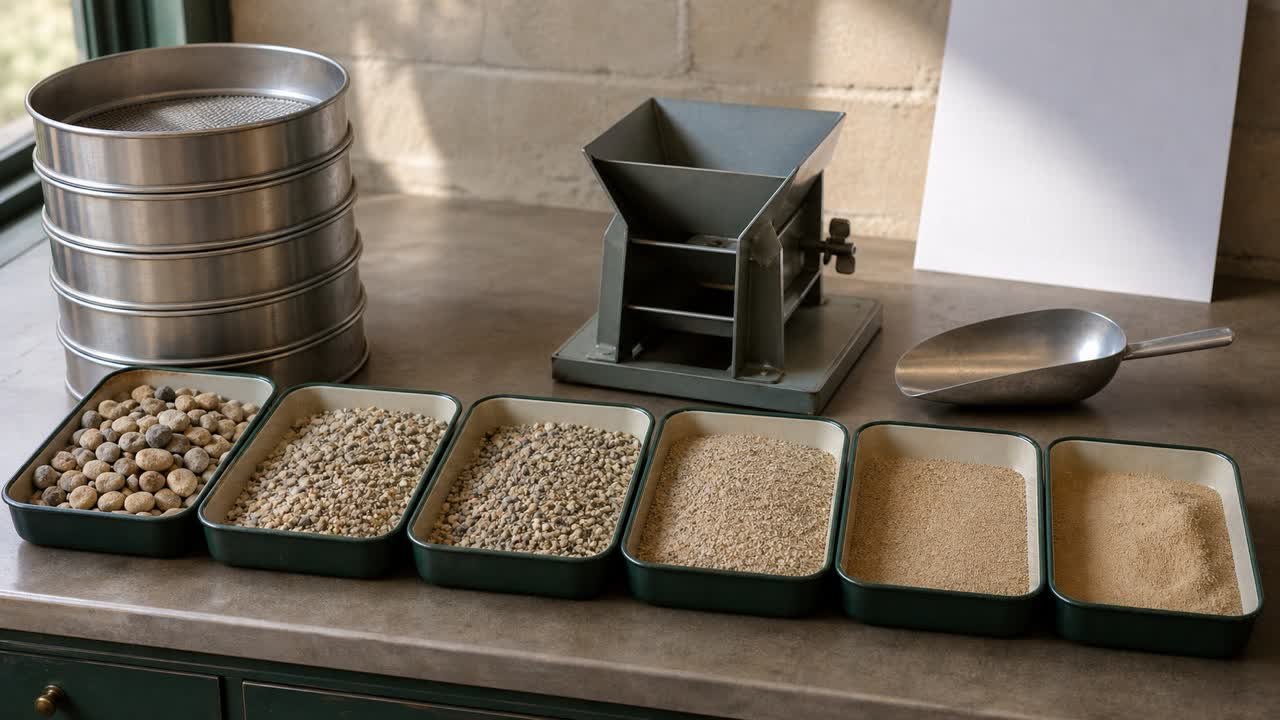
Gradation records how much material falls within particle-size ranges after sieving. USGS Bulletin 1594 describes gradation as the grain-size distribution determined through mechanical sieving or screening and notes that specifications must account for use and local conditions.
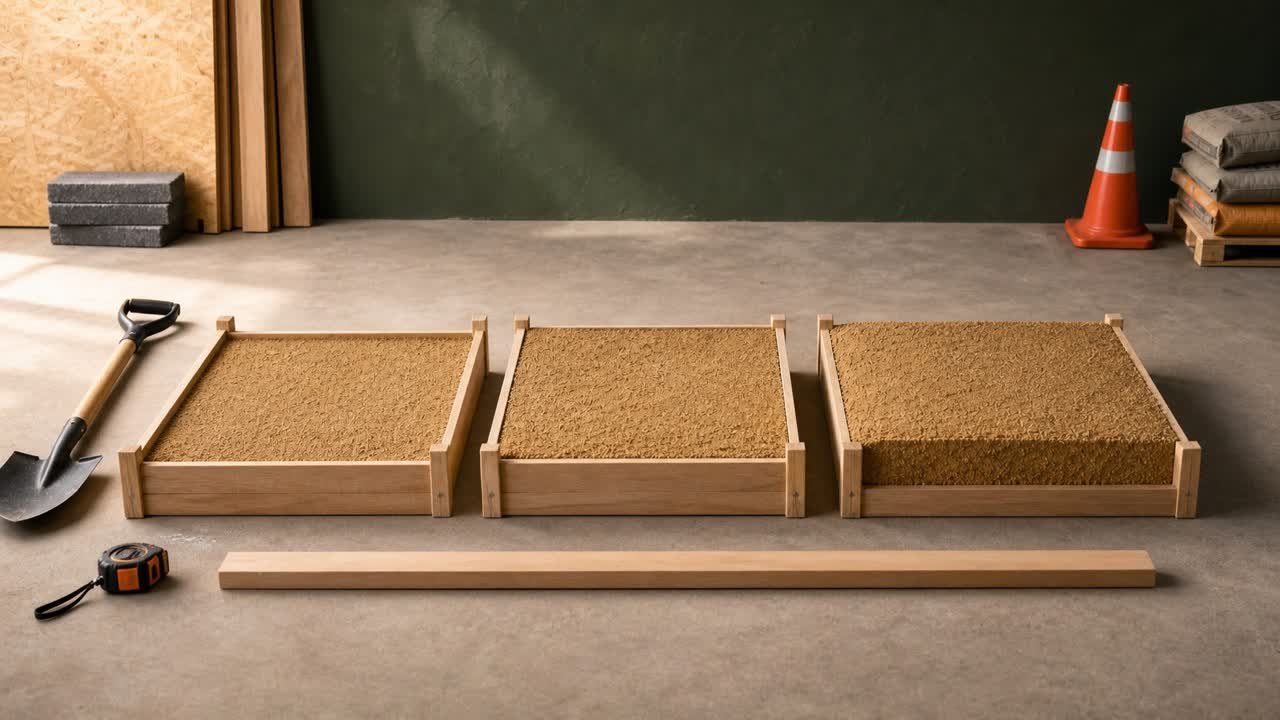
Two samples can share an average-looking grain size while carrying different proportions of coarse particles, intermediate sizes, and fines. Those differences can affect packing, voids, water demand, workability, drainage, stability, finish, and segregation. The controlling specification defines which effects matter for the application.
A sieve report needs identity and date
- Match the report to the named product and source.
- Check the sampling and test date.
- Compare every required sieve and quality limit.
- Read project-specific limits or approved deviations.
- Confirm that the delivered ticket identifies the same product.
Color and feel cannot prove compliance
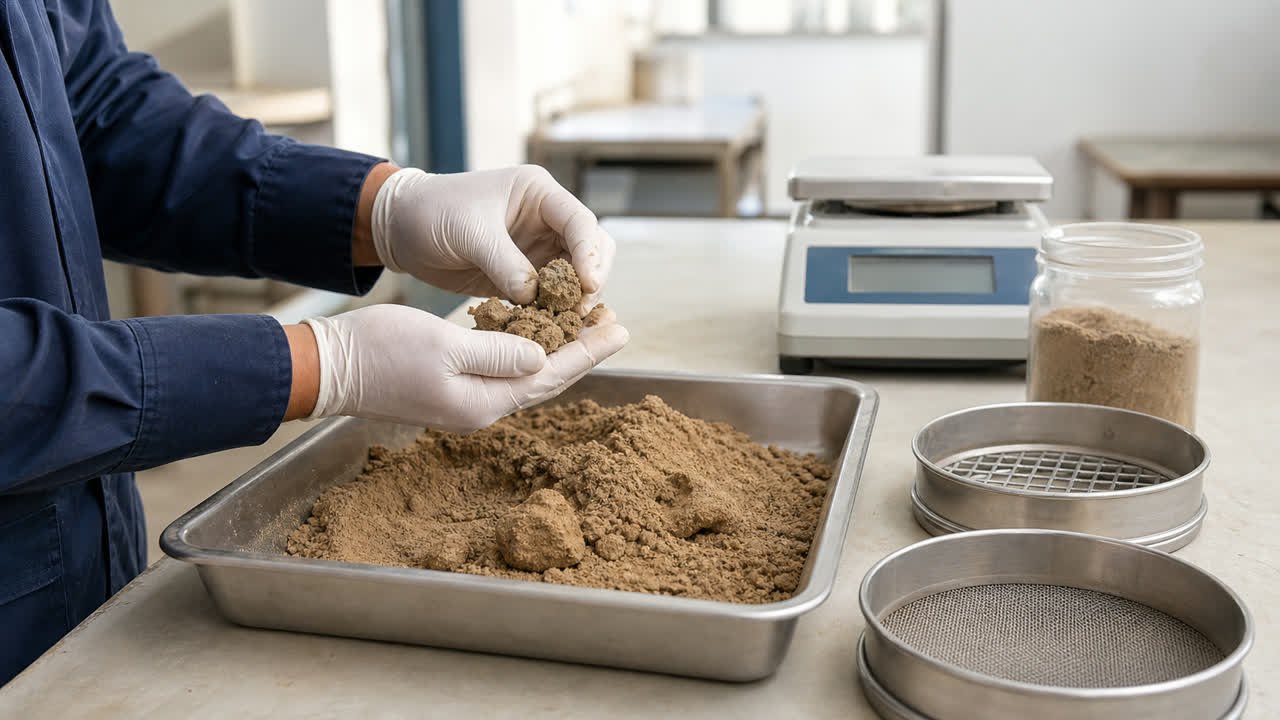
Color can change with mineral source, moisture, staining, and fines. Grain shape and surface texture can influence behavior, yet a hand sample cannot reveal the complete grading or quality record. Washing can remove some material while leaving the purchaser with unanswered questions about grading, durability, contaminants, or application acceptance.
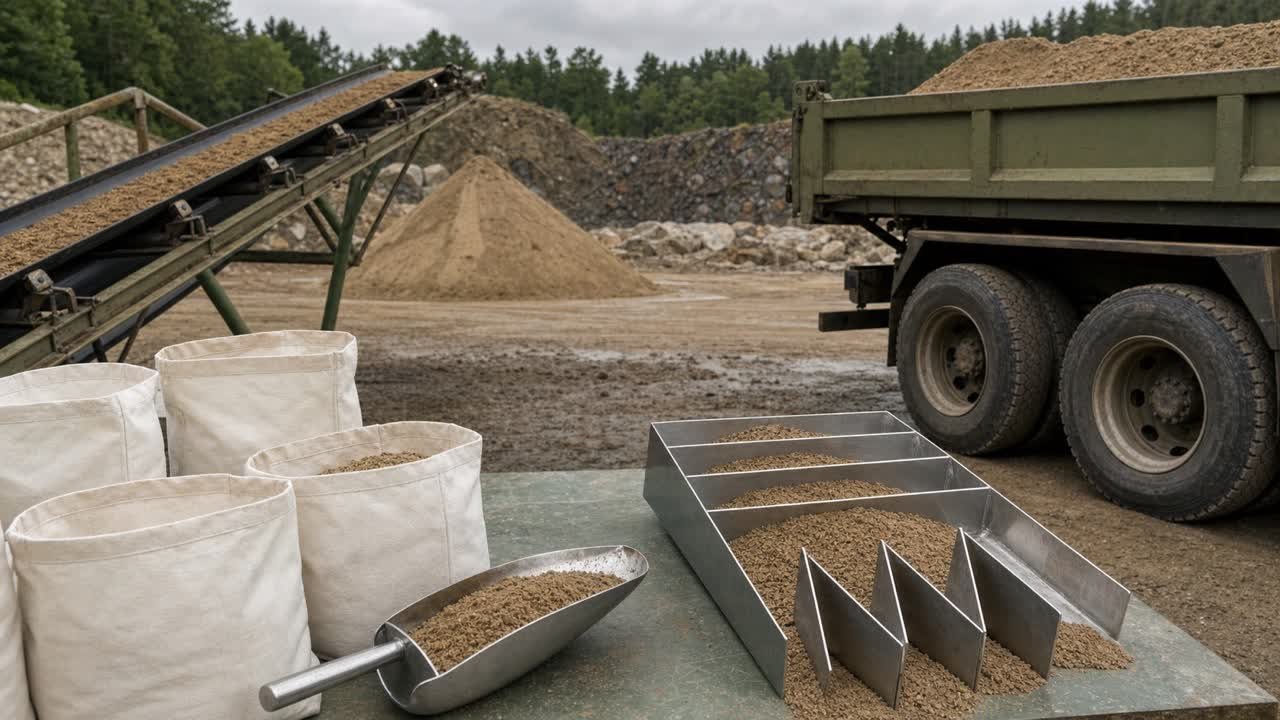
Use visual inspection to spot a wrong shipment, obvious contamination, segregation, or a change from the approved sample. Use documents and tests to decide compliance. Photograph the received stockpile and retain a labelled sample when the project quality plan requires traceability.
Moisture changes handling, batching, and weight
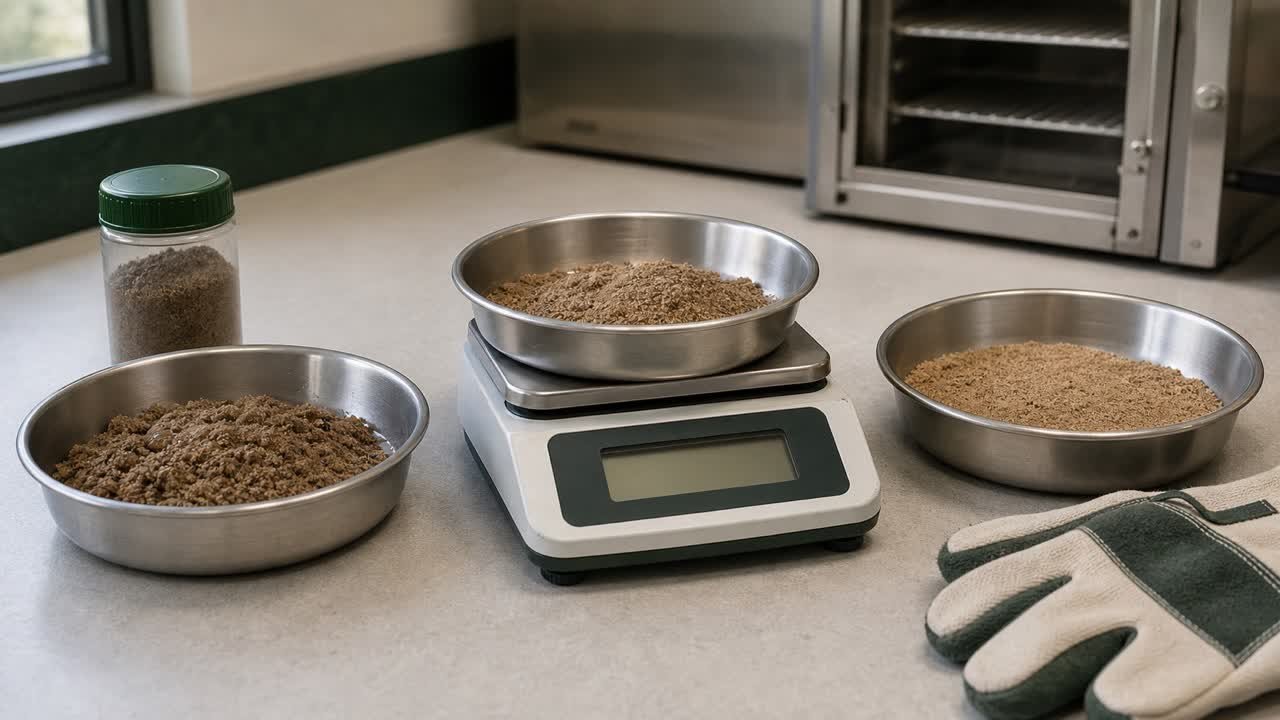
Moisture can change delivered mass, bulking, handling, and the amount of water that aggregate contributes to a concrete or mortar batch. A density or mass conversion must identify the product and material condition. The supplier's dry test value should not represent a wet delivery without a supported adjustment.
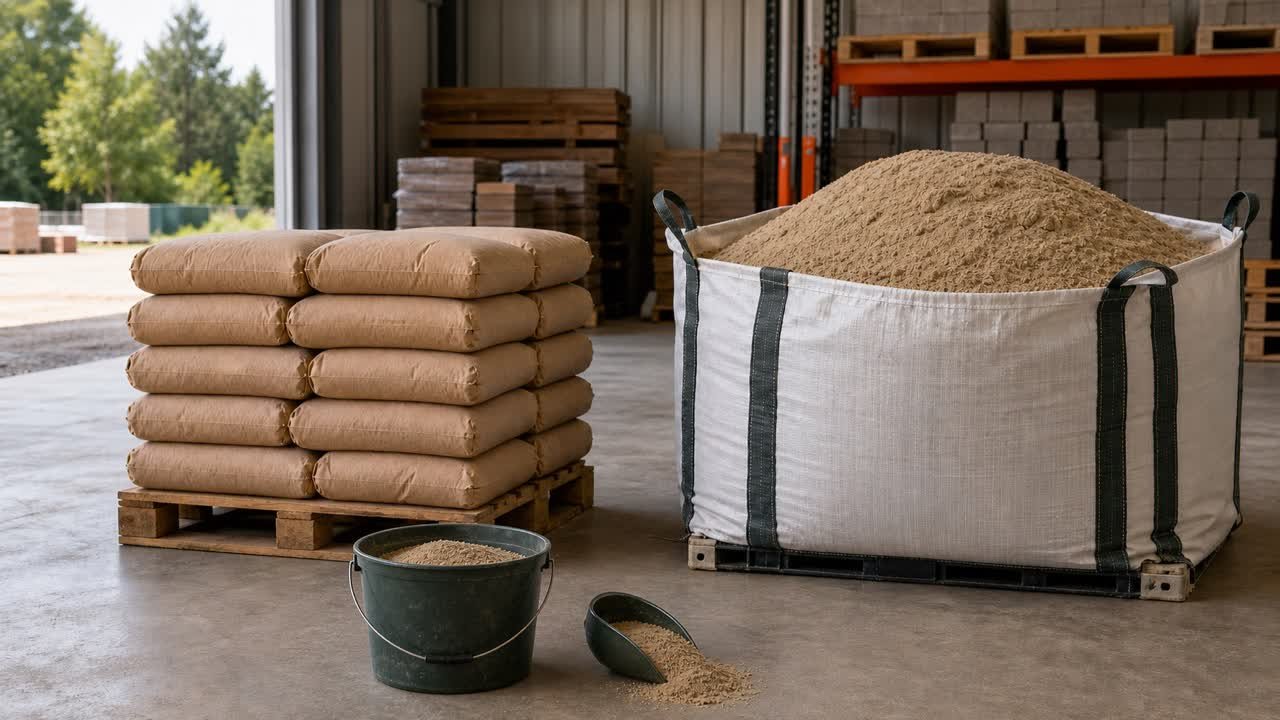
Record whether a quoted quantity uses volume or weight. For calculator work, keep measured volume, planning allowance, supplier density, and final order rounding on separate lines. This exposes the assumption that changed the quantity.
Control crystalline-silica dust during construction work
Sand, stone, concrete, brick, and mortar can contain crystalline silica. Cutting, crushing, drilling, grinding, and other tasks can create respirable dust. OSHA's construction silica standard and resources require covered employers to assess or control exposure through the applicable compliance route, maintain a written exposure-control plan, and train workers.
A product-selection article cannot choose controls for a specific task. The employer, competent person, exposure data, equipment, work method, and applicable OSHA or state-plan requirements govern the work. Avoid dry sweeping or compressed-air practices where the standard restricts them and feasible alternatives exist.
Myth versus reality
| Myth | Reality |
|---|---|
| River sand guarantees better concrete. | Concrete acceptance follows grading, quality, mix, source approval, and project requirements. ASTM C33 permits natural and manufactured fine aggregate. |
| Manufactured sand is one uniform product. | Feed source, crushing, screening, washing, classification, and blending can produce different materials. |
| Washed sand is ready for any use. | A washing claim does not prove the required grading, quality, safety, or performance. |
| Mason sand and concrete sand are fixed recipes. | Trade names vary. The applicable specification and current product record identify the accepted material. |
| Play sand is certified playground surfacing. | Public playgrounds require performance, depth, maintenance, drainage, accessibility, and inspection decisions beyond the bag name. |
| Coarser sand guarantees drainage. | System grading, layer geometry, boundary materials, compaction, outlets, and surrounding soil control drainage performance. |
Use a supplier submittal instead of a verbal label
A short product submittal reduces the chance of ordering a familiar name with the wrong properties. Ask the supplier to identify the product, source, intended use, applicable specification, current grading, relevant quality tests, moisture or density basis, order unit, and delivery ticket description.
| Check | Question for the supplier | Record |
|---|---|---|
| Identity | Which product and source will ship? | Product code, quarry or plant, and source location |
| Specification | Which requirement does the product claim to meet? | Standard designation, edition, class, and project exception |
| Current data | Which test report covers the shipping material? | Sample date, report date, laboratory, and lot or stockpile link |
| Order state | Does the quote use volume, weight, package yield, or load? | Unit, material condition, minimum, and rounding increment |
| Delivery | How will the ticket identify the approved product? | Ticket description and receiving contact |
Advanced workflow for a controlled purchase
- Extract the exact material clause from the project documents.
- Resolve conflicts between drawings, specifications, manufacturer instructions, and local requirements through the responsible project authority.
- Obtain the supplier product sheet and current supporting tests.
- Compare the submittal with every applicable grading and quality requirement.
- Approve the source, product identifier, sample, and any visual mock-up through the project process.
- Place the order with the same identifier, unit, quantity state, and delivery requirements.
- Check the ticket and received material before placement.
- Quarantine a changed or questionable delivery until the responsible person resolves it.
- Record field tests, moisture adjustments, placement checks, and approved changes.
This workflow matters when several local products share one trade name. It also protects the calculation record: the quantity stays tied to the sand that the project approved.
Prepare the quantity after product selection
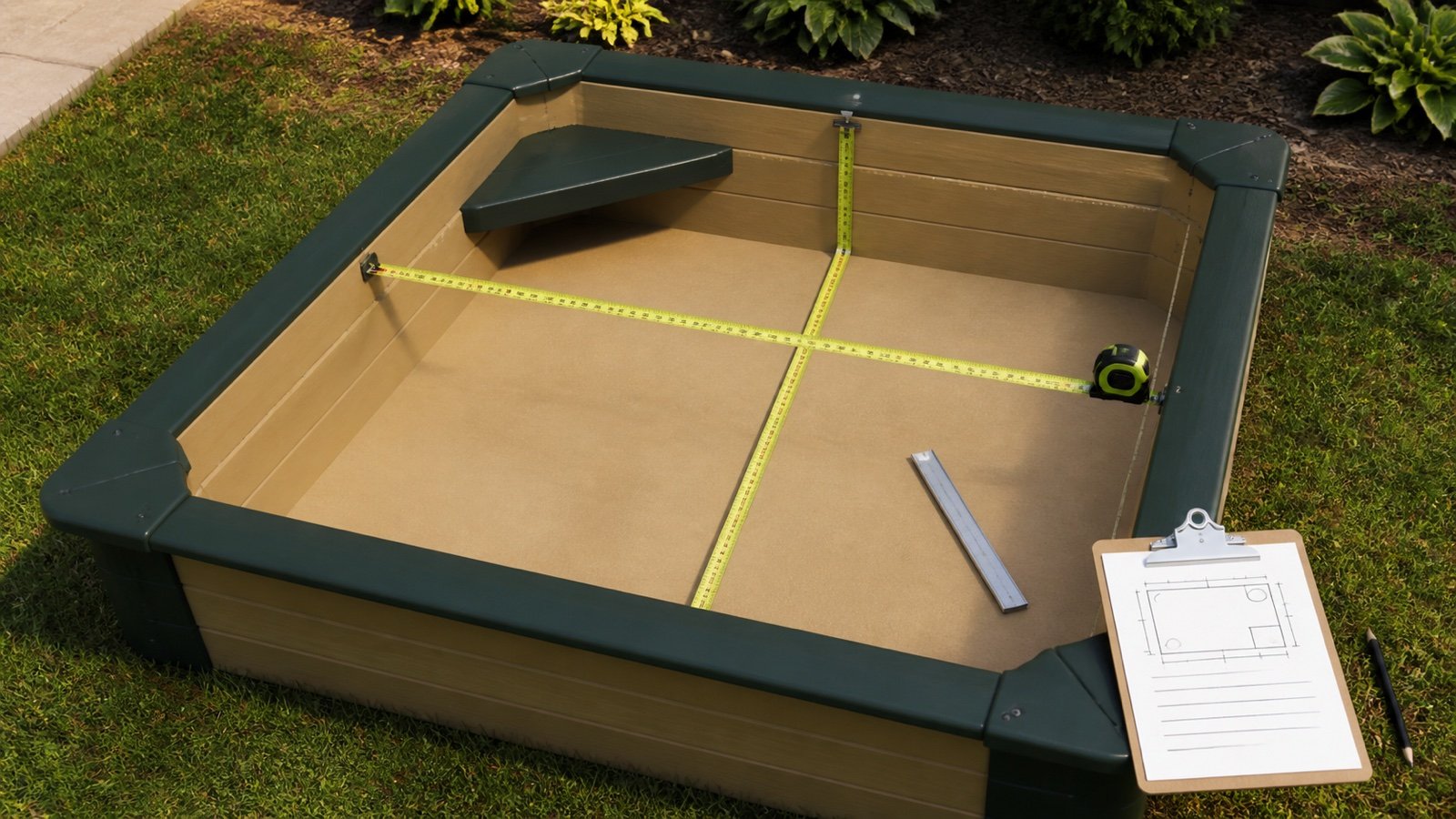
Measure each project section and required layer depth after the material and application requirements are clear. Use the Sand Calculator for measured volume. Enter supplier density only when it matches the selected product and state. Enter package yield only when the current manufacturer record states volume per package.
Keep product selection, quantity, allowance, supplier rounding, and delivery confirmation as separate decisions. A later change in sand source or selling unit then requires a controlled quantity update rather than a guess.
Sources and scope
- ASTM C33/C33M-24: grading and quality requirements for concrete aggregates.
- ASTM C144-25: aggregate for masonry mortar.
- CMHA PAV-TEC-017: bedding-sand selection for interlocking concrete pavement.
- CPSC Public Playground Safety Handbook, July 2025: public-playground loose-fill surfacing context.
- OSHA Crystalline Silica in Construction: covered employer duties and control resources.
- USGS Construction Sand and Gravel: industry and material context.
- USGS Bulletin 1594: aggregate gradation and specification context.
Scope: this guide helps purchasers ask for product evidence and keep an auditable selection record. The governing project documents, applicable laws, manufacturer instructions, approved submittals, and responsible qualified people control material acceptance, design, placement, safety, and inspection.