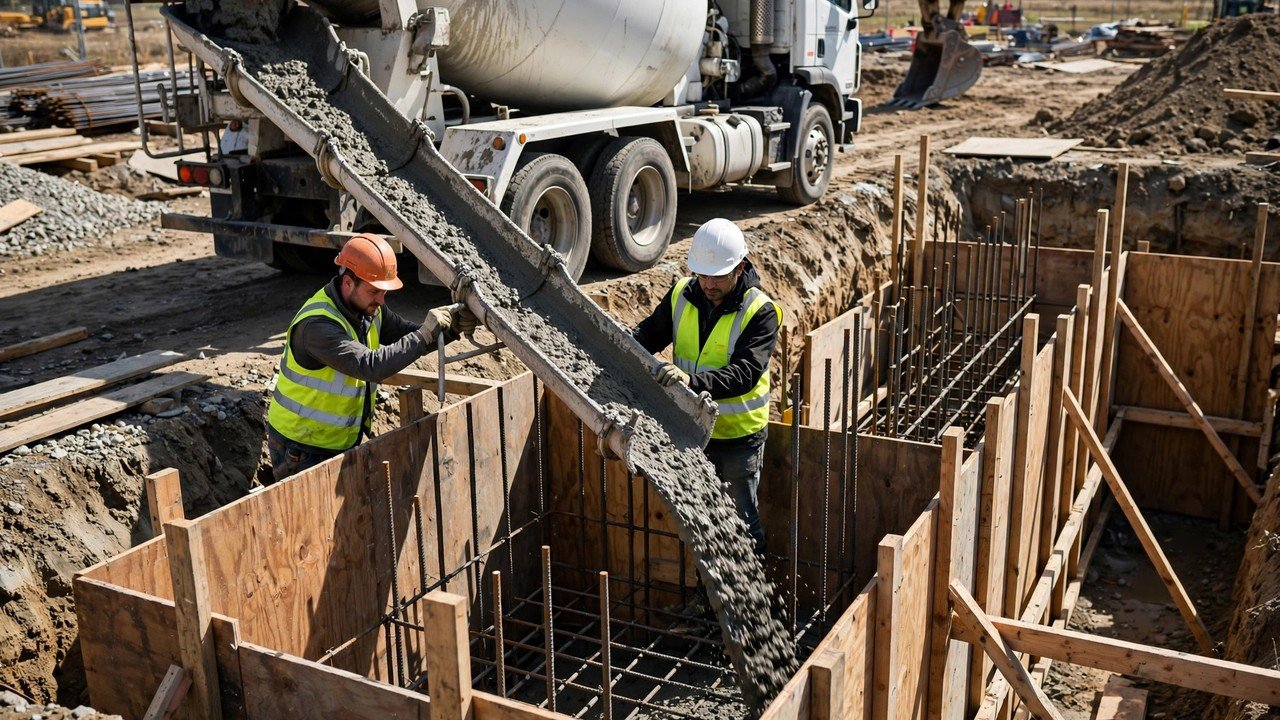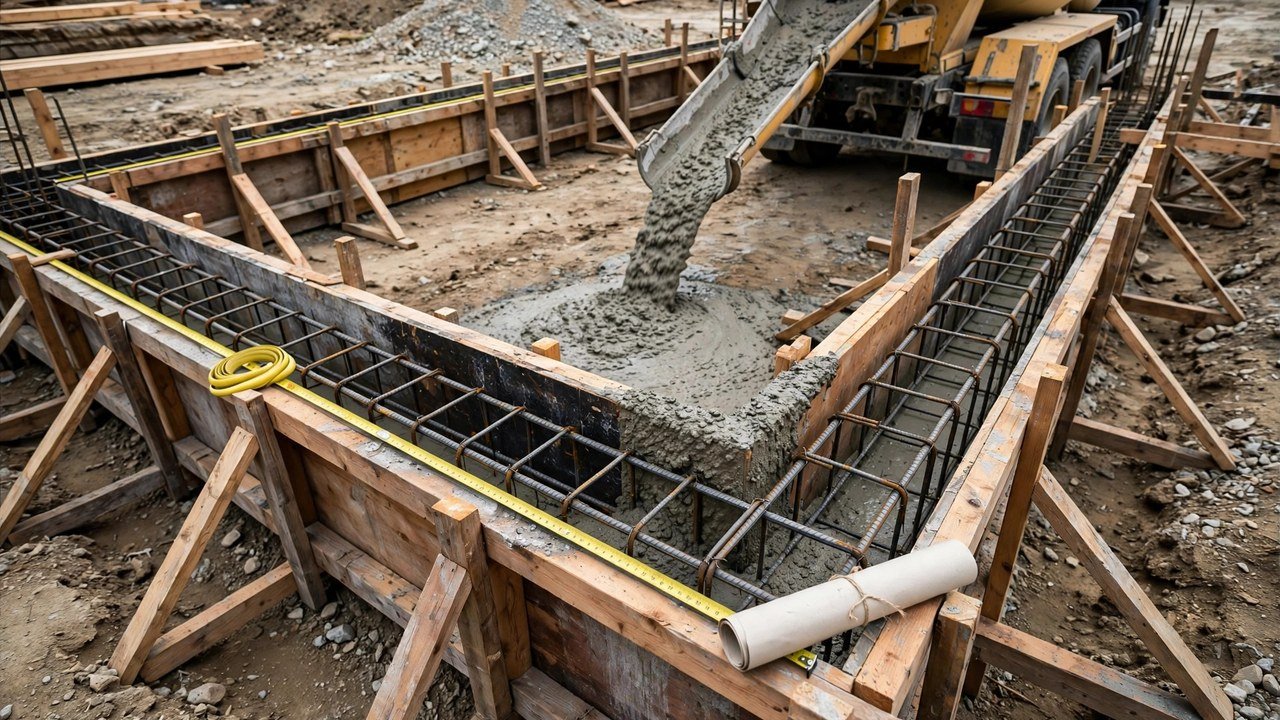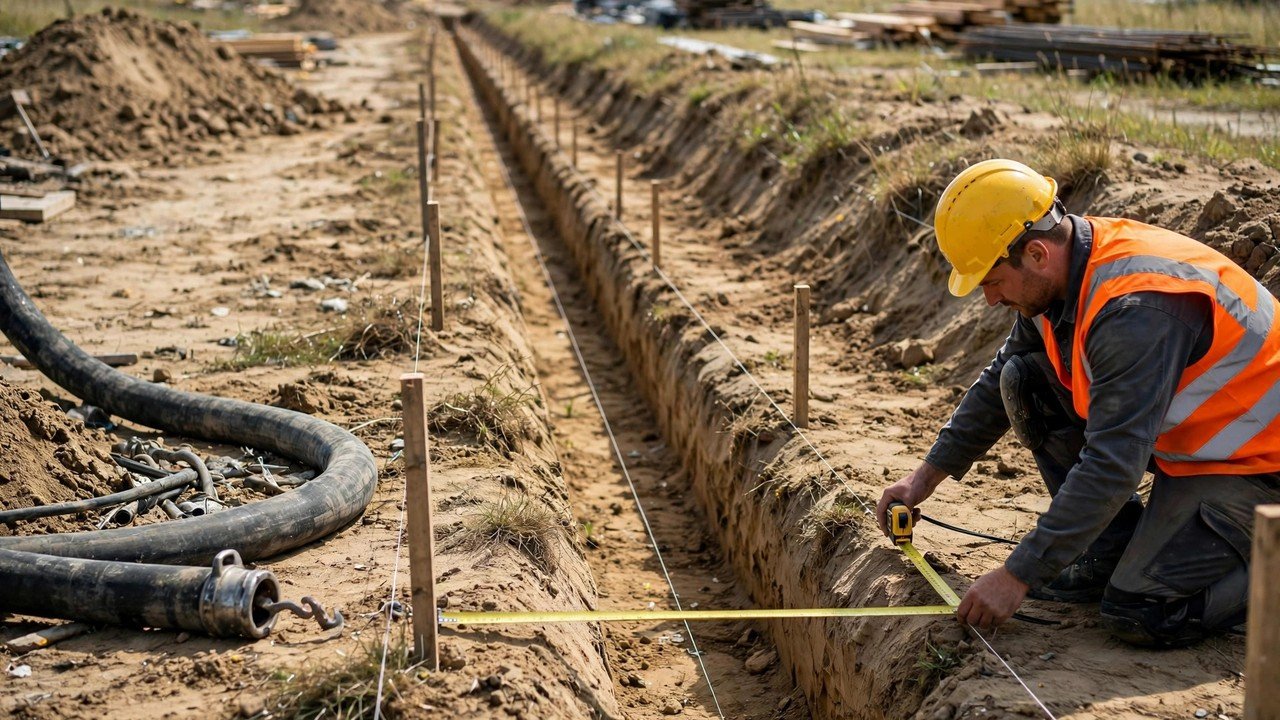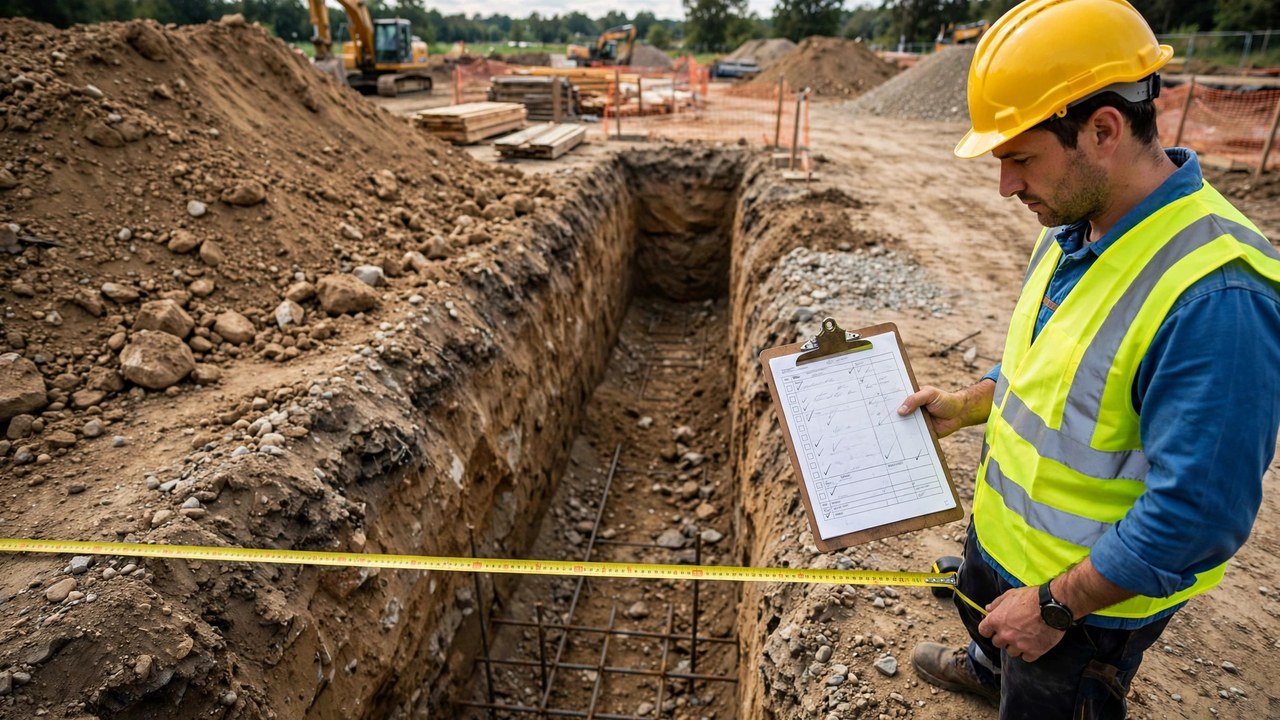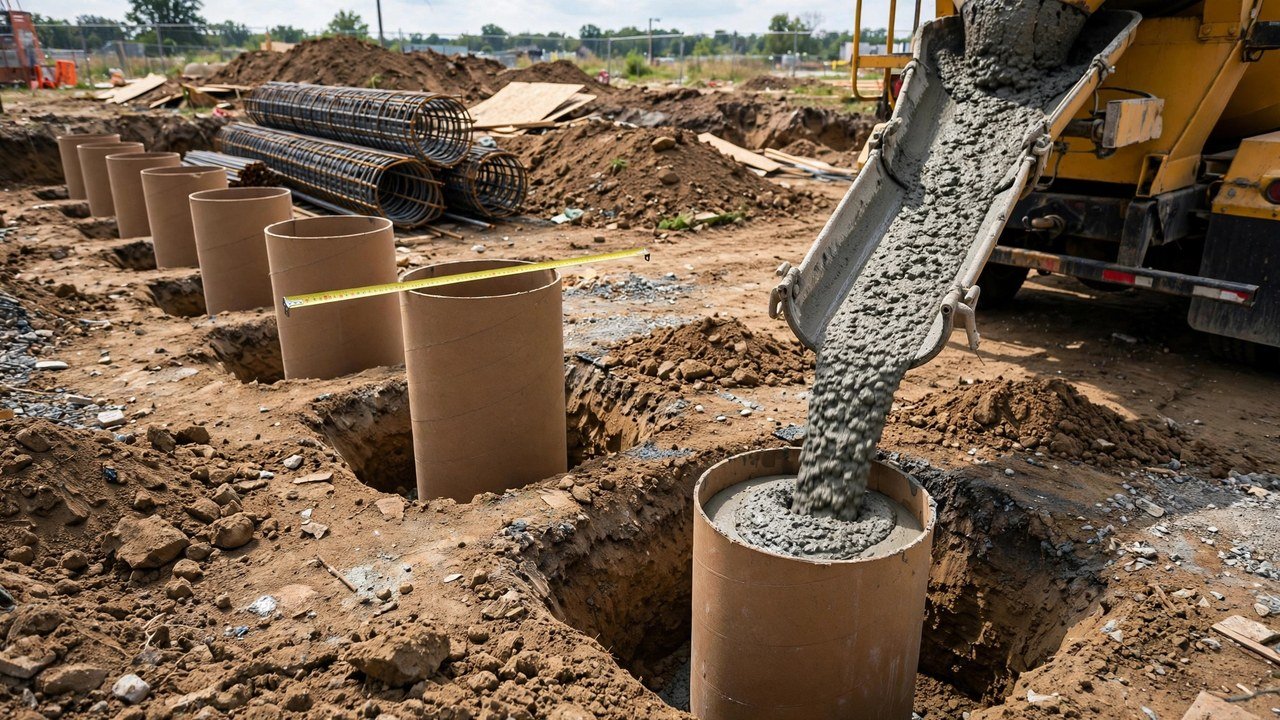
A pier footing order is a pier-by-pier record, not one tube number. Each compatible pier gets its own worksheet line with checked dimensions, any wider footing base travels on a separate line, and the measured total moves through the same quantity states as any concrete order: measured volume, planning volume with a documented allowance, and the supplier-rounded order. Keep those states on separate lines so each change is traceable.
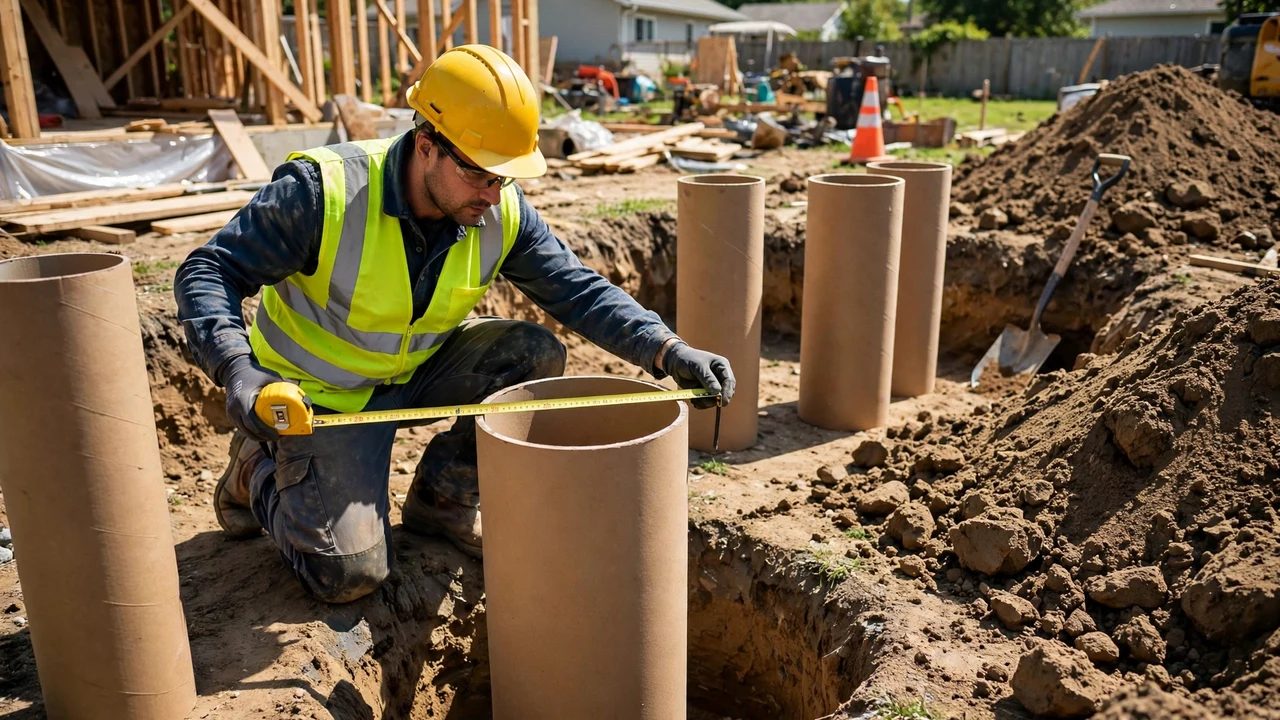
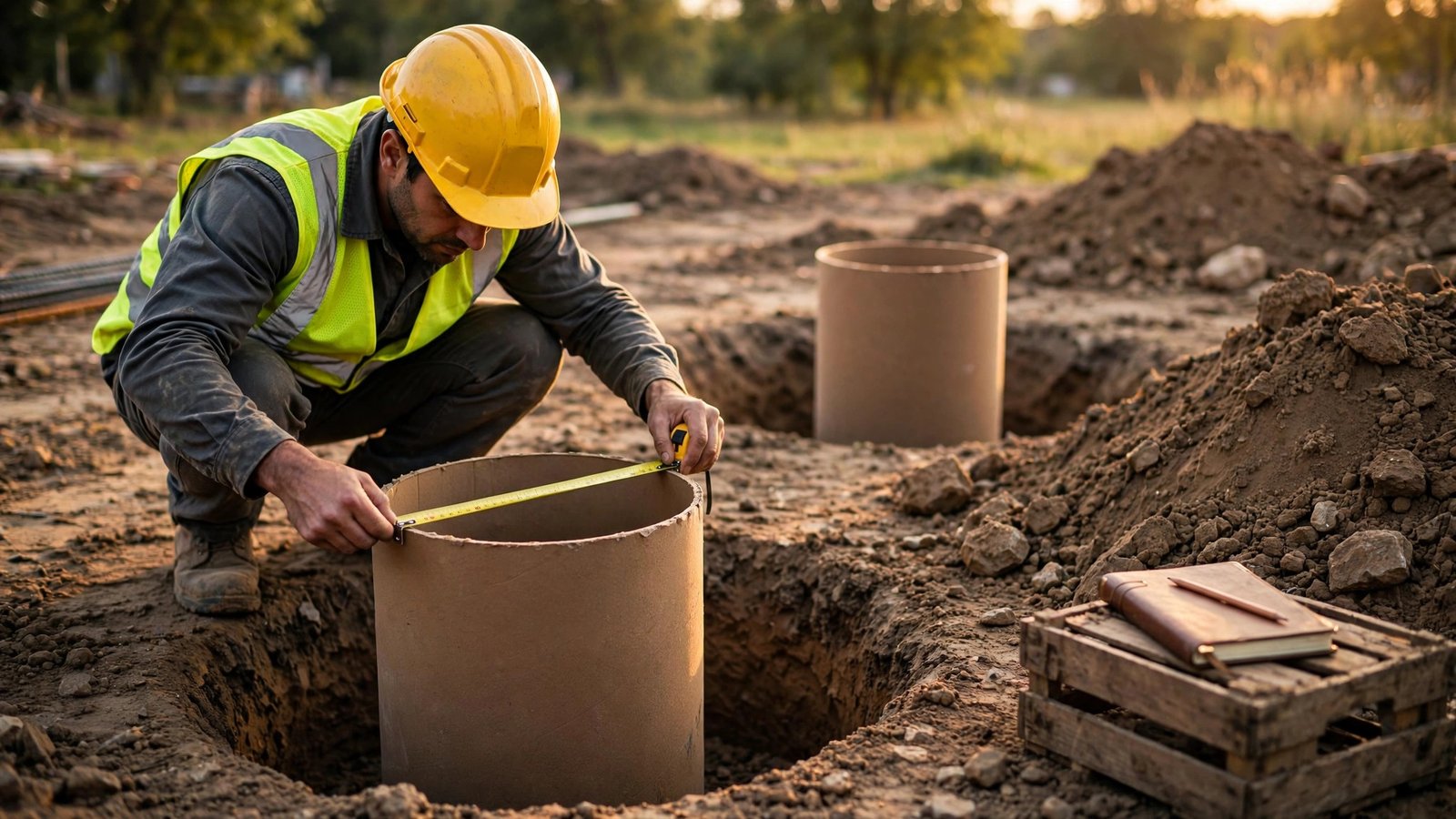
Order the form tubes by their nominal size, but order the concrete from the measured inside diameter. Sonoco's Builder's Tube product data states that diameter sizes are nominal and adds: "If critical, you need to measure." Concrete fills the inside of the tube, so the label size and the concrete volume are different inputs.
What does a pier footing Sonotube order actually include?
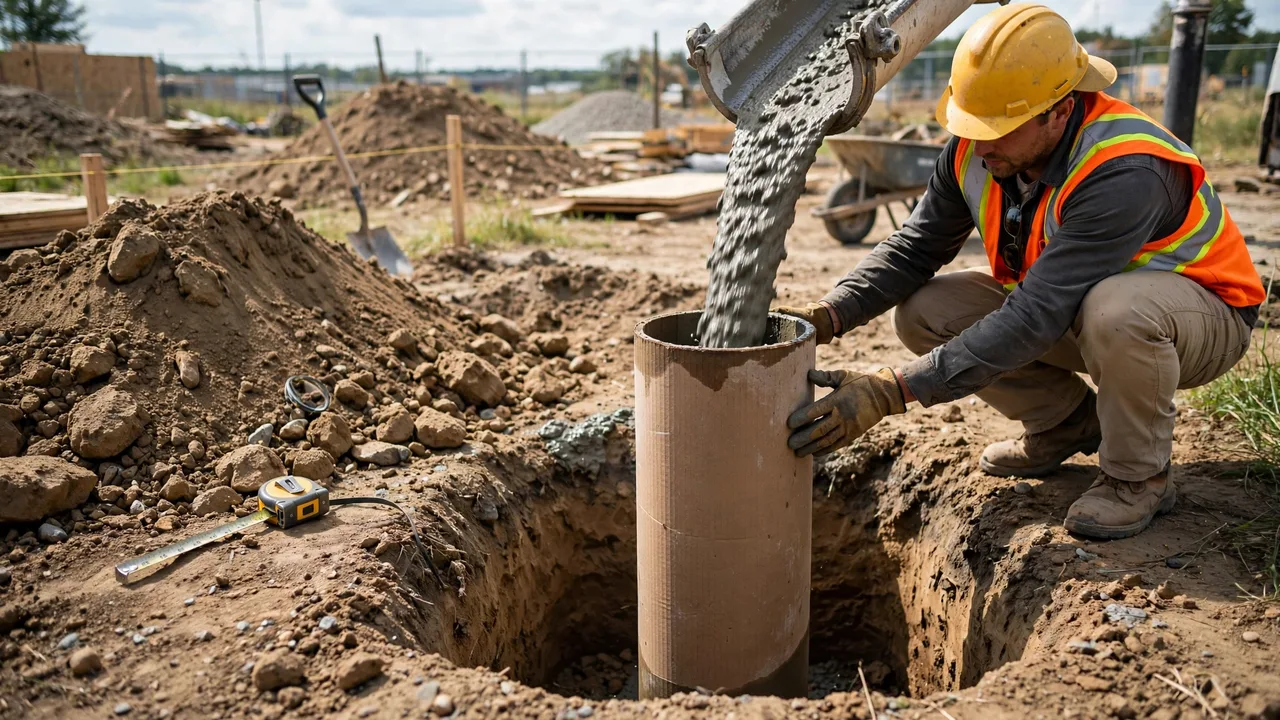
It includes the net tube volumes of every pier in one compatible group, the wider base volumes on their own lines, a documented planning allowance, the supplier's stated selling increment, the supplier's stated delivery terms, and the non-concrete line items such as form tubes and hardware. The compatible group is what one pour and one mix code can serve. A different mix, a different placement day, or a different acceptance record starts a new order line.
Tube volume = π × measured inside diameter² ÷ 4 × pour height
Ordered quantity = ceiling(planning quantity ÷ supplier increment) × supplier increment
Whole bags = ceiling(planning volume ÷ named product yield)
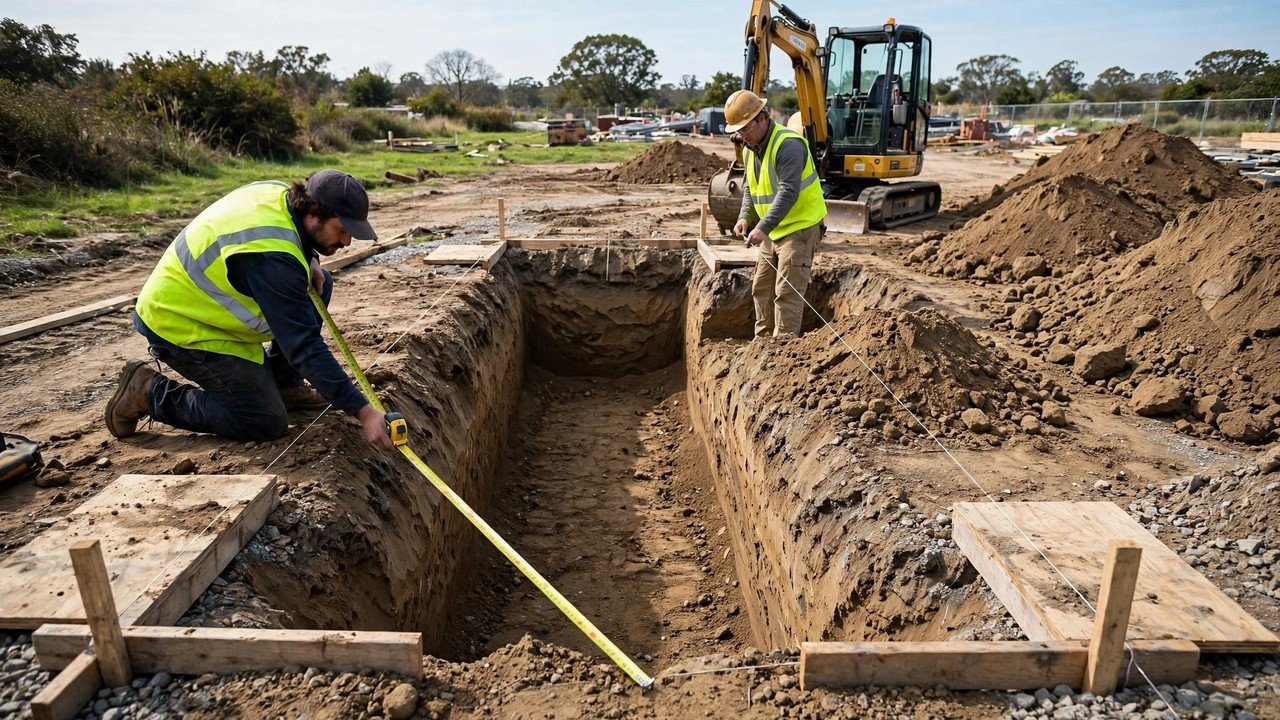
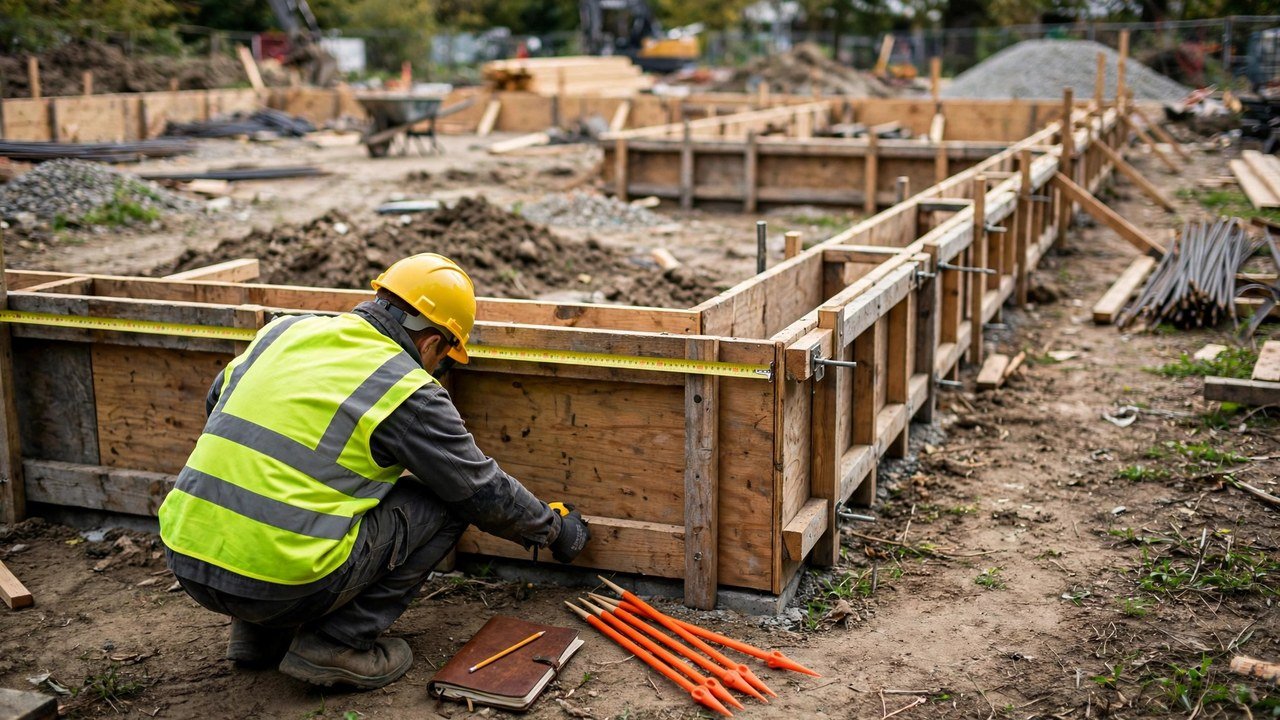
Work from the measurement record in the Sonotube measurement guide: inside diameter, pour height, footing base dimensions, and pier count. That guide shows why the inside diameter is measured at two perpendicular positions instead of trusted from the label.
How do you group the piers into order lines?
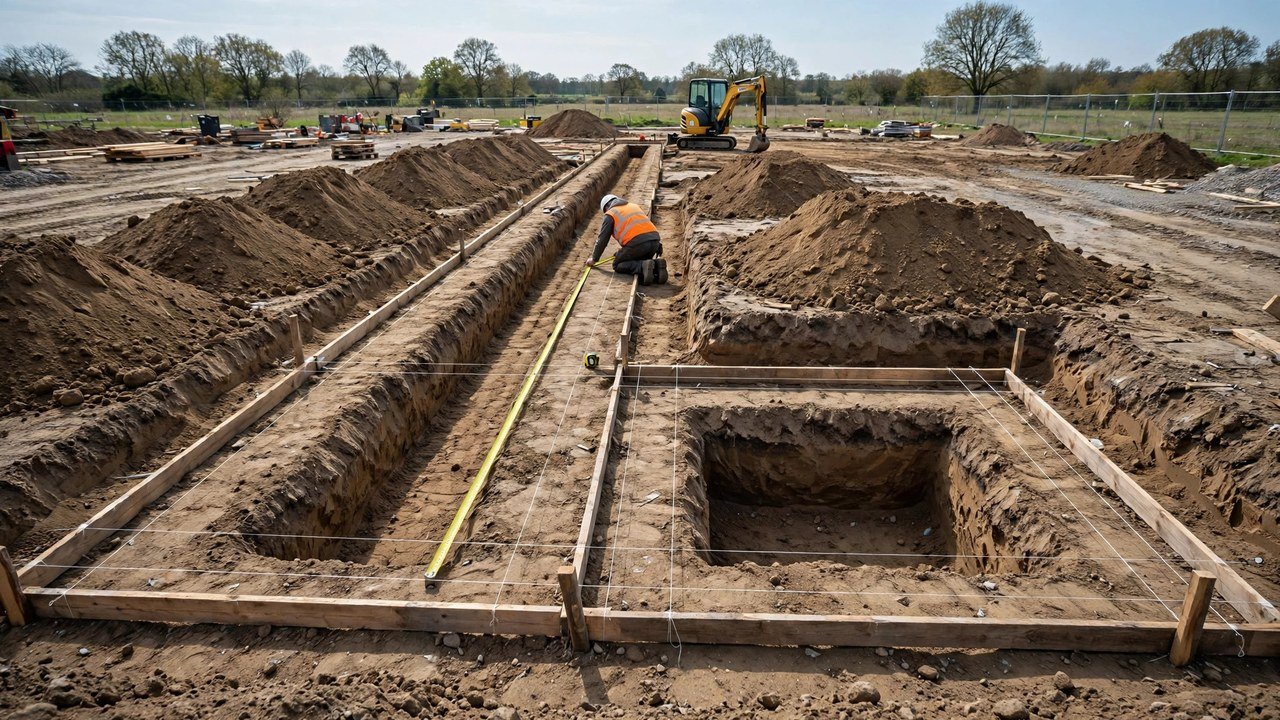
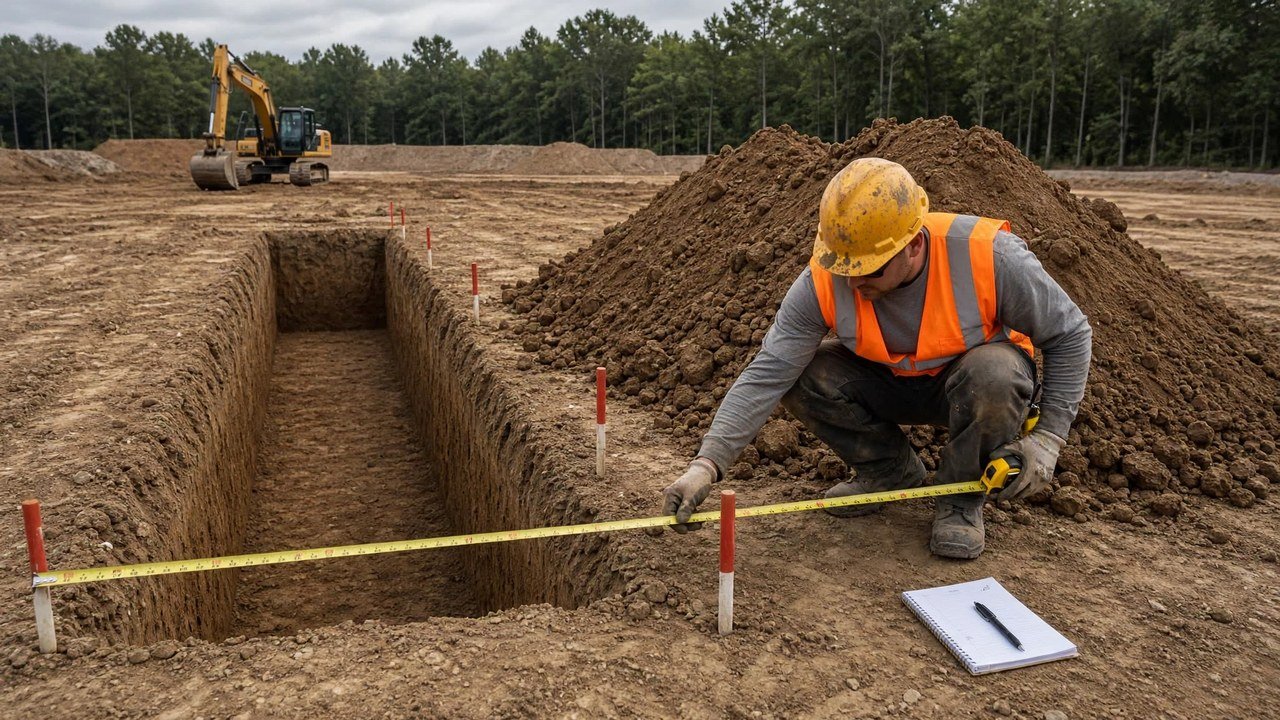
Walk the approved layout and mark every place the quantity record must change: a different measured diameter, a different pour height, a pier with or without a wider base, a mix change, a different placement day, or a separately tested lot. Each marked pier or identical pier set becomes one worksheet row with its own dimensions and volume.
Combine identical piers into one row with a pier count, and keep the per-pier volume unrounded until the row is multiplied. One row for eight identical piers stays checkable; eight rows for eight identical piers stays readable but invites a copying slip.
| Field | What to record | Check |
|---|---|---|
| Pier ID | Drawing, grid, or pour reference | One physical pier has one row |
| Measured inside diameter | Average of 2 readings, with unit | Controls the tube volume, not the label |
| Pour height | From the bearing surface to the marked concrete top | Excludes tube above the concrete |
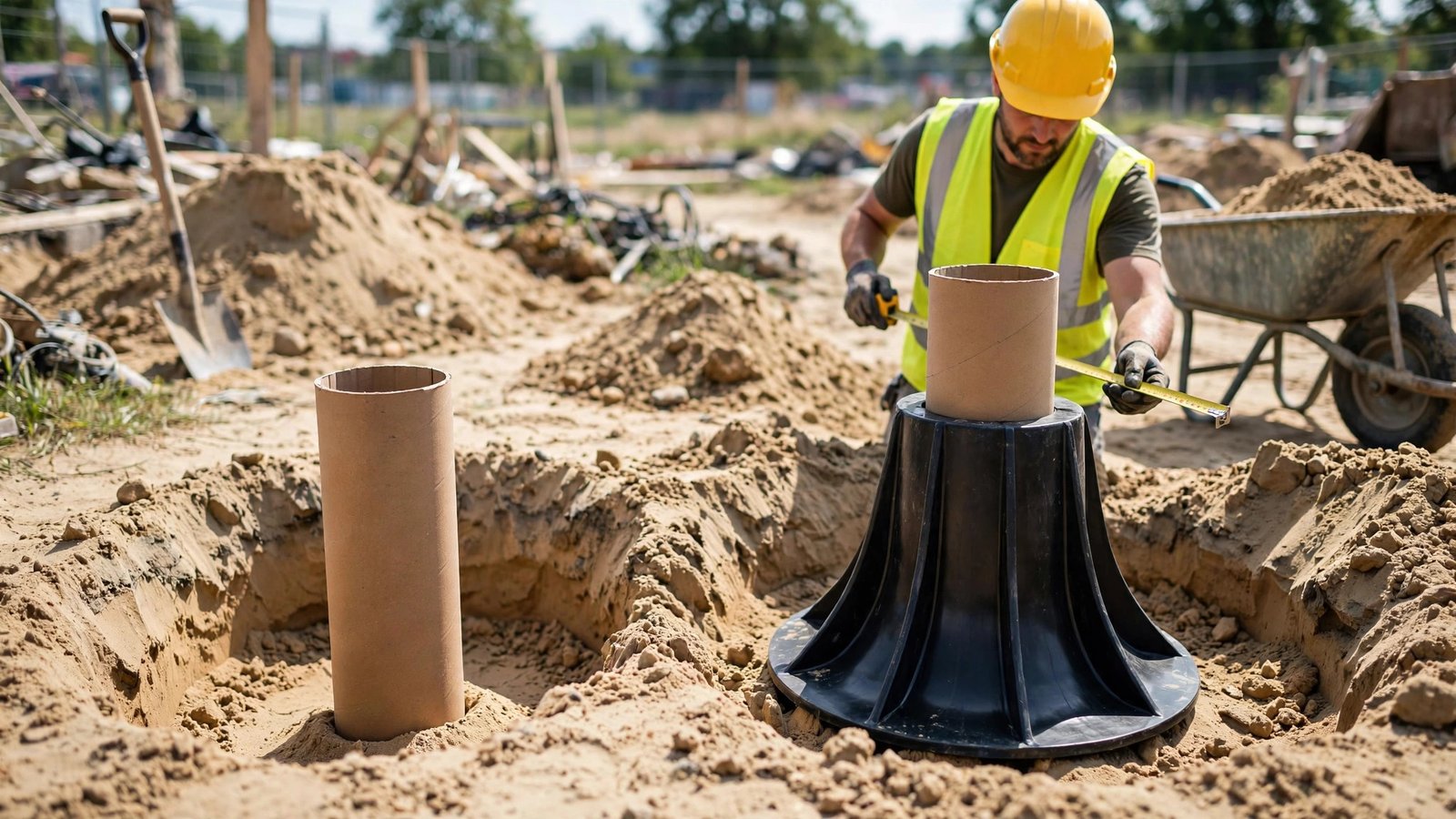
| Footing base | Separate line: length × width × depth, or diameter × depth | Never folded into the tube line |
| Unrounded volume | Full calculated value | No early rounding |
| Compatibility group | Mix code, placement day, acceptance basis | Only compatible rows combine |
| Form tube | Nominal size and tube length, per pier | Counted once per pier; single-use |
Worked example: eight piers with square footing bases
An approved layout has 8 identical piers. Each tube has a measured 12-in inside diameter and a 48-in pour height. Two of the piers sit on square footing bases 24 in × 24 in × 12 in.
- Tube volume per pier: π × 144 ÷ 4 × 48 = 5428.67 in³ = 3.1416 ft³.
- Tube concrete: 8 × 3.1416 = 25.1328 ft³.
- Base volume each: 24 × 24 × 12 = 6912 in³ = 4.0 ft³.
- Base concrete: 2 × 4.0 = 8.0 ft³.
- Measured total: 25.1328 + 8.0 = 33.1328 ft³.
- Convert: 33.1328 ÷ 27 = 1.2271 yd³.
- Stated 5% planning allowance as a named fixture: 33.1328 × 1.05 = 34.7894 ft³ = 1.2885 yd³.
- Supplier increment 0.25 yd³: ceiling(1.2885 ÷ 0.25) × 0.25 = 1.50 yd³ ordered.
| Line | Arithmetic | Quantity |
|---|---|---|
| Tube concrete, 8 piers | 8 × (π × 144 ÷ 4 × 48 ÷ 1728) | 25.1328 ft³ |
| Footing bases, 2 pads | 2 × (24 × 24 × 12 ÷ 1728) | 8.0 ft³ |
| Measured total | 33.1328 ÷ 27 | 1.2271 yd³ |
| Planning (5% fixture) | 1.2271 × 1.05 | 1.2885 yd³ |
| Supplier order | ceiling(1.2885 ÷ 0.25) × 0.25 | 1.50 yd³ |
Reverse check: 1.50 − 1.2885 = 0.2115 yd³ is the supplier-rounding addition, and 1.2885 ÷ 1.05 = 1.2271 yd³ returns the measured total.
Metric cross-check
Four piers with a measured 300 mm inside diameter and a 1.2 m pour height give 0.08482 m³ per pier, so 0.3393 m³ measured. The stated 5% fixture gives 0.3562 m³, and a 0.10 m³ supplier increment gives ceiling(0.3562 ÷ 0.10) × 0.10 = 0.40 m³ ordered. Both unit systems land through the same worksheet states.
What materials go on the order besides concrete?
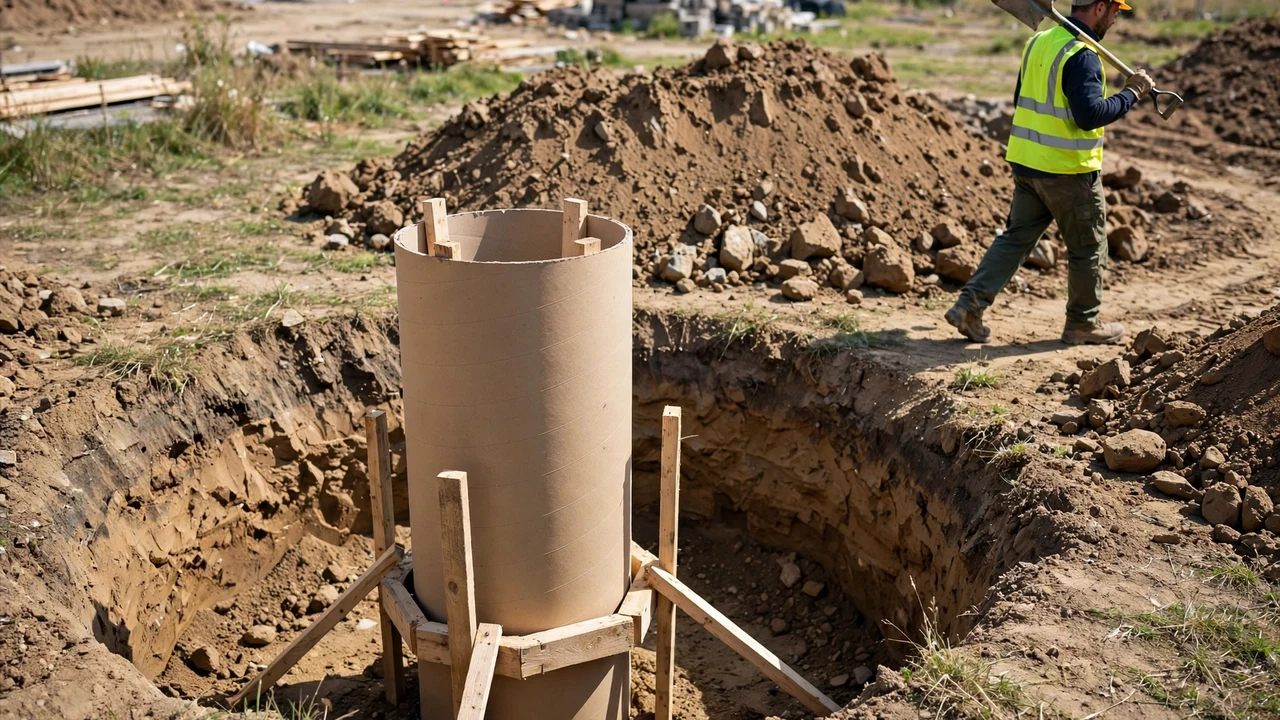
Form tubes are the first line item after concrete. Order tubes by nominal size and per pier: 8 piers need 8 tubes. Sonoco's product data lists Builder's Tube as single-use, so a replaced tube is its own line item, not a re-count of an existing one.
Size the tube length from the pour height plus the above-ground stub the plans call for. The tube often extends above the planned concrete top, so the tube length and the pour height stay separate fields on the worksheet.
Rebar cages, post bases, and anchor bolts travel as accessory line items with the quantities and sizes from the drawings. They never enter the concrete arithmetic, but they belong on the same order record so the pour is complete in one check. Footing dimensions, loads, reinforcement, and frost depth follow the project drawings and the local code, not this worksheet.
Bagged concrete or ready-mix for a small pier count?
Small pier counts can fall below a ready-mix supplier's practical delivery size. For those pours, convert the allowed volume to whole bags using the named product's stated yield, then round up. A yield figure belongs to one product and one data sheet edition. It is not a universal conversion.
Fixture: the eight-pier planning volume is 34.7894 ft³. Using the named 80-lb QUIKRETE Concrete Mix No. 1101 approximate yield of 0.60 ft³ per bag: 34.7894 ÷ 0.60 = 57.98, so 58 bags. Reverse check: 58 × 0.60 = 34.8 ft³ covers the allowed volume. The post-hole bag chart shows the same yield logic at smaller hole sizes.
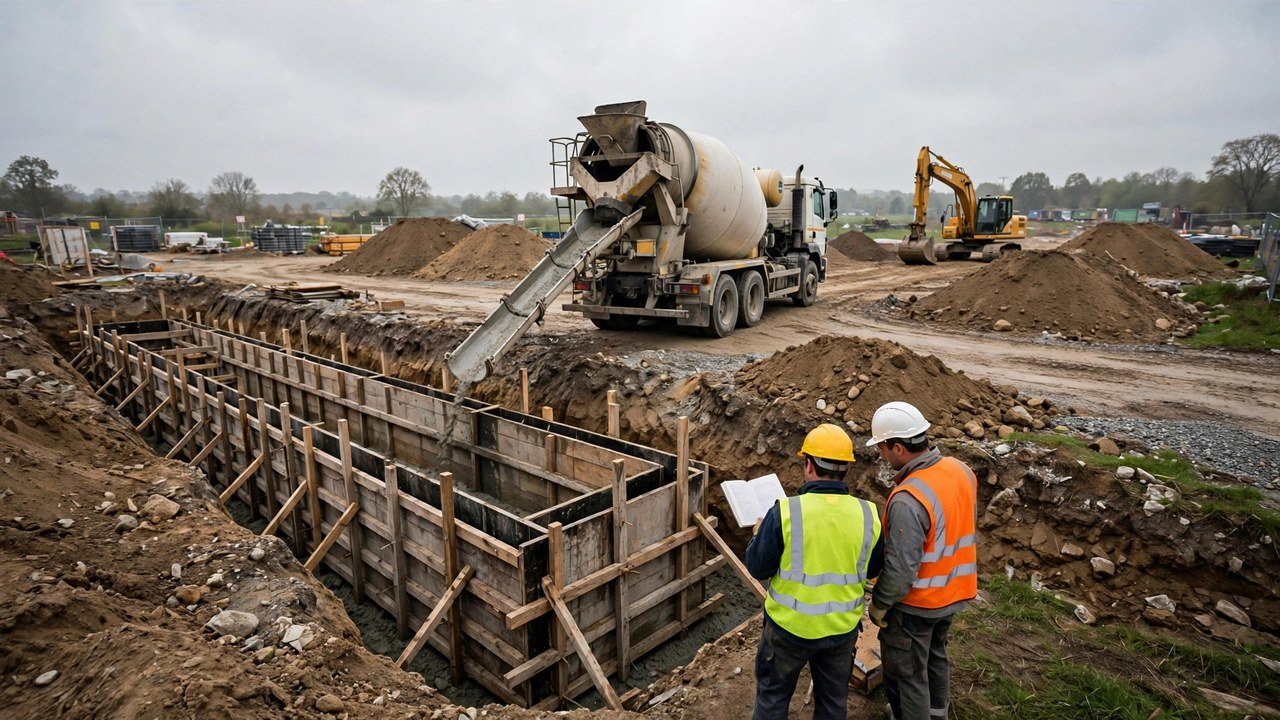
Confirm the minimum delivered quantity, the minimum billed quantity, and the short-load fee threshold with the supplier. A short-load fee changes the invoice, not the physical volume. The ready-mix ordering guide separates those states.
What supplier terms belong in a pier order?
NRMCA CIP 31, Ordering Ready Mixed Concrete, lists the information the purchaser should provide: the mixture designation, the nominal maximum aggregate size, the required slump or slump flow, the quantity in cubic yards or cubic metres, the placement method, and the delivery schedule. The same document notes truck mixers hold 8 to 12 yd³ (5 to 9 m³), that concrete is sold by volume under ASTM C94/C94M, and that the quantity ordered should be 4% to 10% more than an estimate calculated from plan dimensions to account for contingencies.
| Term | Order effect |
|---|---|
| Mix designation and slump | Identifies the concrete; one designation per order line |
| Selling increment | Final rounding step for the order quantity |
| Minimum delivered quantity | Raises the physical order basis when confirmed |
| Minimum billed quantity or short-load fee | Commercial record; does not add physical concrete |
| Truck capacity | Dispatch planning; never changes the measured volume |
| Lead time and waiting-time policy | Scheduling and cost; confirmed with the producer |
| Site access | A loaded truck weighs about 80,000 lb; confirm the route and placement position |
All seven terms are answered by the supplier's current quote or confirmation. A guide cannot set them.
How do you check the order against the delivery?
- Match each delivery ticket to one worksheet line: mix designation, quantity, and pier or pour location.
- Record rejected loads, washout, and testing samples against the line they were drawn from.
- Compare the delivered total with the ordered quantity and note the variance with its cause.
- Keep the worksheet, the tickets, and the variance note together as the quantity record.
A difference between ordered and delivered needs review. Do not rewrite the measured pier volumes to make the records agree; the worksheet is the quantity history of the pour.
Common pier ordering mistakes
- Ordering concrete from the nominal tube label instead of the measured inside diameter.
- Using the tube's full length as the pour height.
- Folding a wider footing base into the tube volume instead of lining it separately.
- Rounding each pier before the compatible rows are added.
- Applying one unexplained percentage to cover diameter error, overbreak, spillage, and contingency.
- Converting to bags with an unverified or generic yield.
- Treating a short-load fee threshold as delivered concrete.
- Changing the worksheet after delivery without a dated change line.
Safety and scope limits
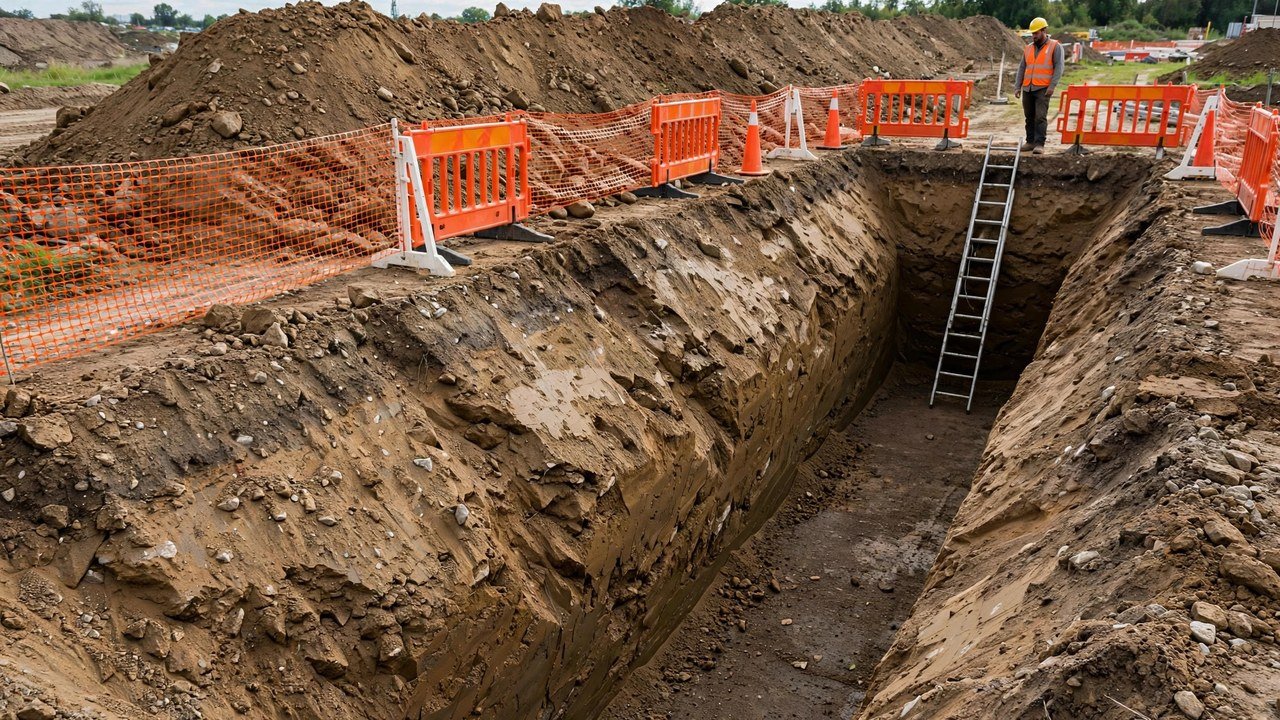
This ordering guide does not select the mix, pier dimensions, reinforcement, slump, placement method, curing, frost protection, or weather practice. Those follow the drawings, specifications, permits, codes, supplier instructions, and qualified professional direction. Excavation work follows its own safety rules; the pier footing safety guide covers the holes that control tube placement.
OSHA states that wet portland cement can cause caustic burns and dermatitis. Use the product safety data sheet and applicable controls for skin, eyes, access, equipment, lifting, traffic, and washout.
Sources and source scope
- Sonoco, Sonotube Builder's Tube product data (accessed 2026-10-09): nominal sizes, concrete per foot of height, single-use and placement guidance, and the "Diameter sizes are nominal. If critical, you need to measure." note.
- Sonoco, Sonotube Round Concrete Forms product data (accessed 2026-10-09): cubic-yard requirements by diameter and column height.
- NRMCA CIP 31, Ordering Ready Mixed Concrete: purchaser ordering information, sale by volume under ASTM C94/C94M, truck mixer capacity, mixture designation, and the 4–10% contingency statement for plan-dimension estimates.
- NRMCA and ASCC Checklist for Ordering and Scheduling Ready Mixed Concrete: small-project order and coordination fields including truck spacing and placement rate.
- NIST Handbook 44 (2026), Appendix C: length and volume unit relationships used in the conversions.
- QUIKRETE Concrete Mix No. 1101 data sheet: the named 80-lb bag's approximate yield used in the bagged fixture.
- OSHA, Concrete and Concrete Products: Controlling Hazards: U.S. workplace context for handling wet concrete.
- Google Search Central, Creating helpful, reliable, people-first content and Guidance on generative AI content, retrieved 2026-10-08: the people-first and AI-assistance content standards applied during drafting.
Source scope: Sonoco supports the nominal-size warning, the per-foot volumes, and single-use guidance. NRMCA and ASCC support the ordering fields and the stated ready-mix practice. NIST supports the unit arithmetic. The product data sheet supports only the named bag's approximate yield. OSHA supports its U.S. workplace safety context. None of these sources sets a project allowance, supplier increment, delivery minimum, fee, bag yield for another product, mix, pier dimension, or acceptance decision.
Review responsibility: Saleem Sial owns the published calculation, source, and editorial checks. Waseem Sial, External Reviewer and Engineer, remains listed for ongoing external review; no completed external-review date is claimed.
Next, check the geometry with the Sonotube measurement guide, compare bag counts at smaller hole sizes with the post-hole bag chart, or return to the Foundation hub for the related calculators and ordering guides.