Blog
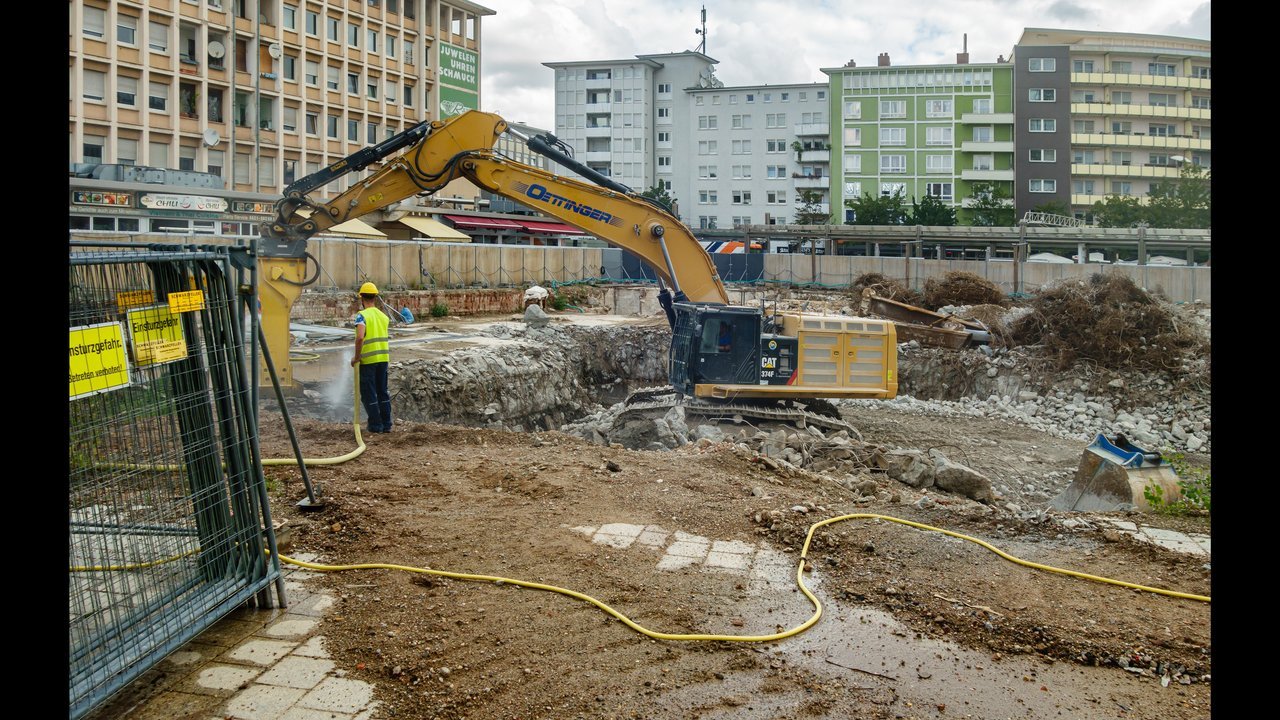
A Worked Example: Footing Excavation Volume
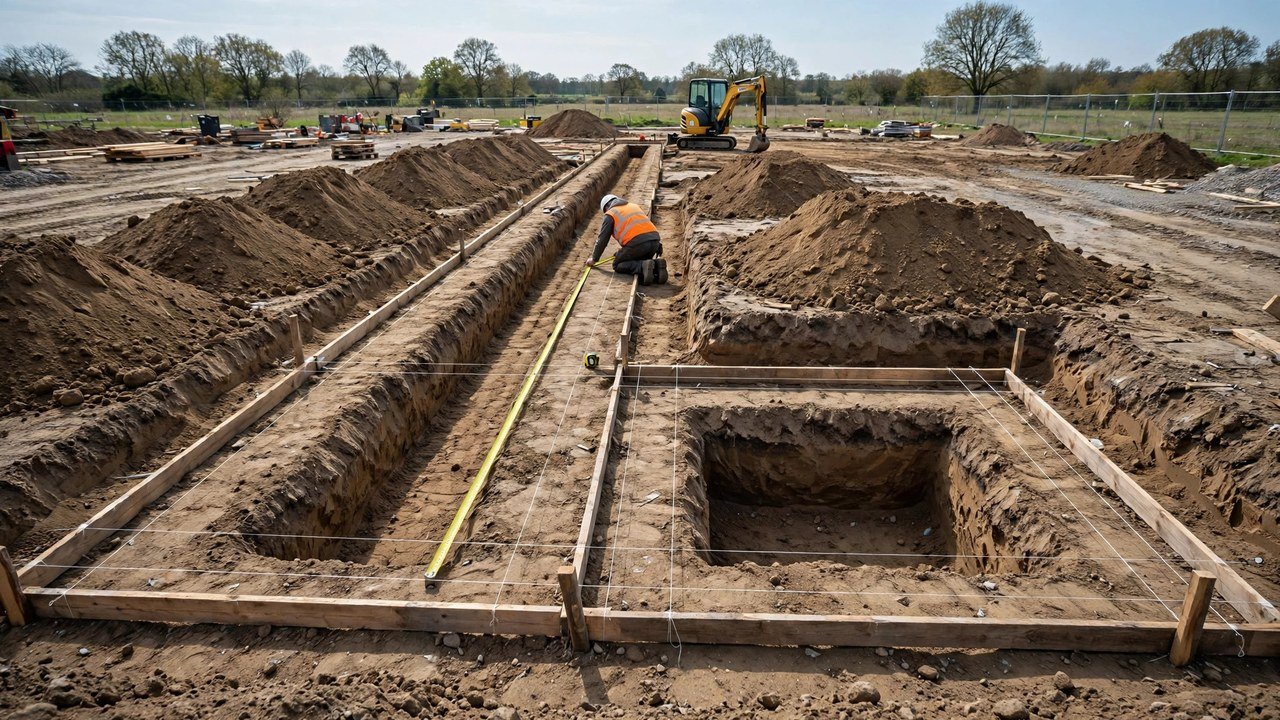
Work a complete footing excavation volume example: two strip runs with a corner deduction, a sloped pad pit with a cross-check, a checked bank total, and a loose-volume truck plan.
Read A Worked Example: Footing Excavation Volume
Blog
Common Footing Excavation Volume Calculation Mistakes
Catch the 8 most common footing excavation volume mistakes before they reach trucks or payment: wrong boundary, slopes, depth, corners, units, allowances, rounding, and mixed volume states.
Read Common Footing Excavation Volume Calculation Mistakes
Blog
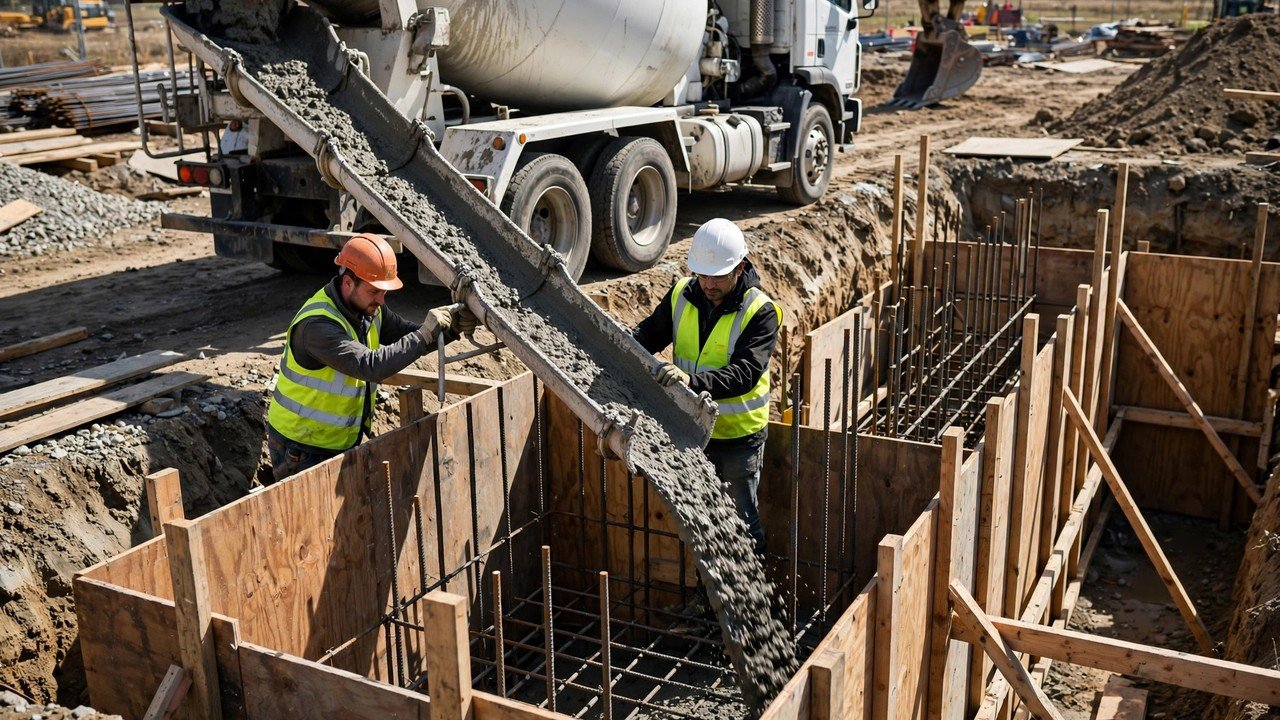
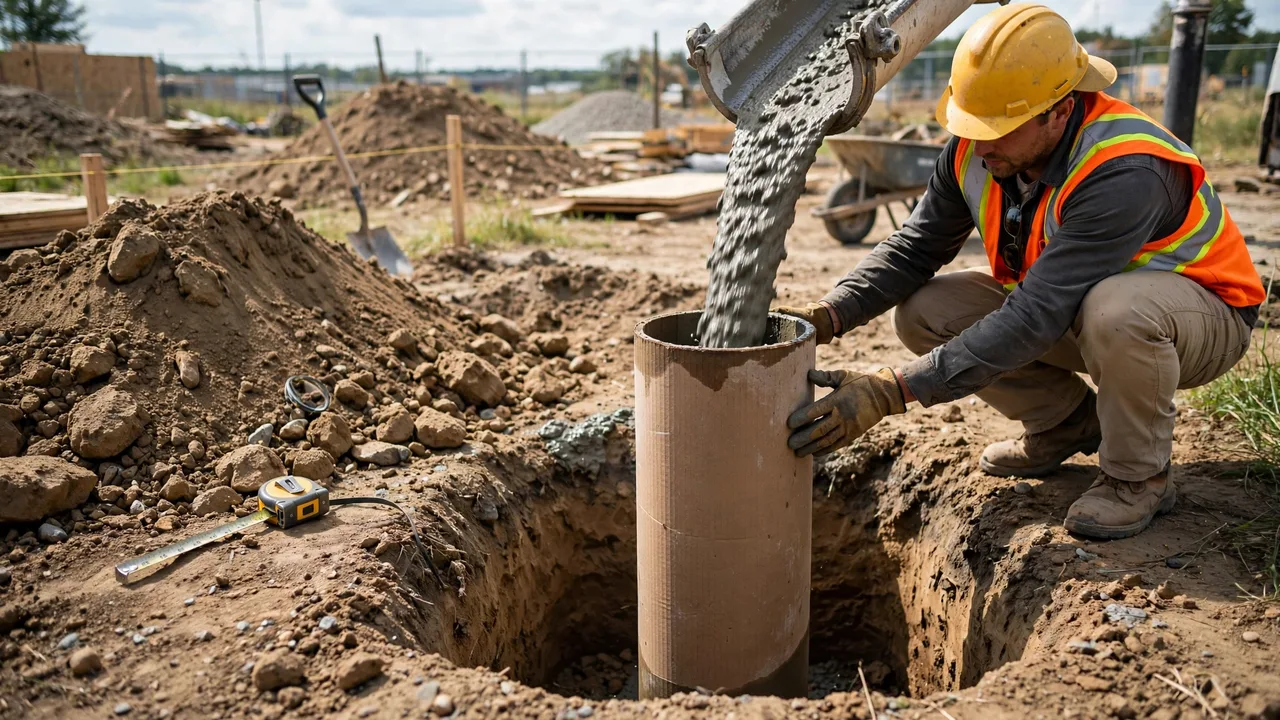
Ordering Concrete for Footing Excavations: Geometry, Allowance and Materials
Order concrete for footing work from the right geometry: measured footing volume, formed vs earth-formed method, allowance evidence, supplier units, and related materials.
Read Ordering Concrete for Footing Excavations: Geometry, Allowance and Materials
Blog
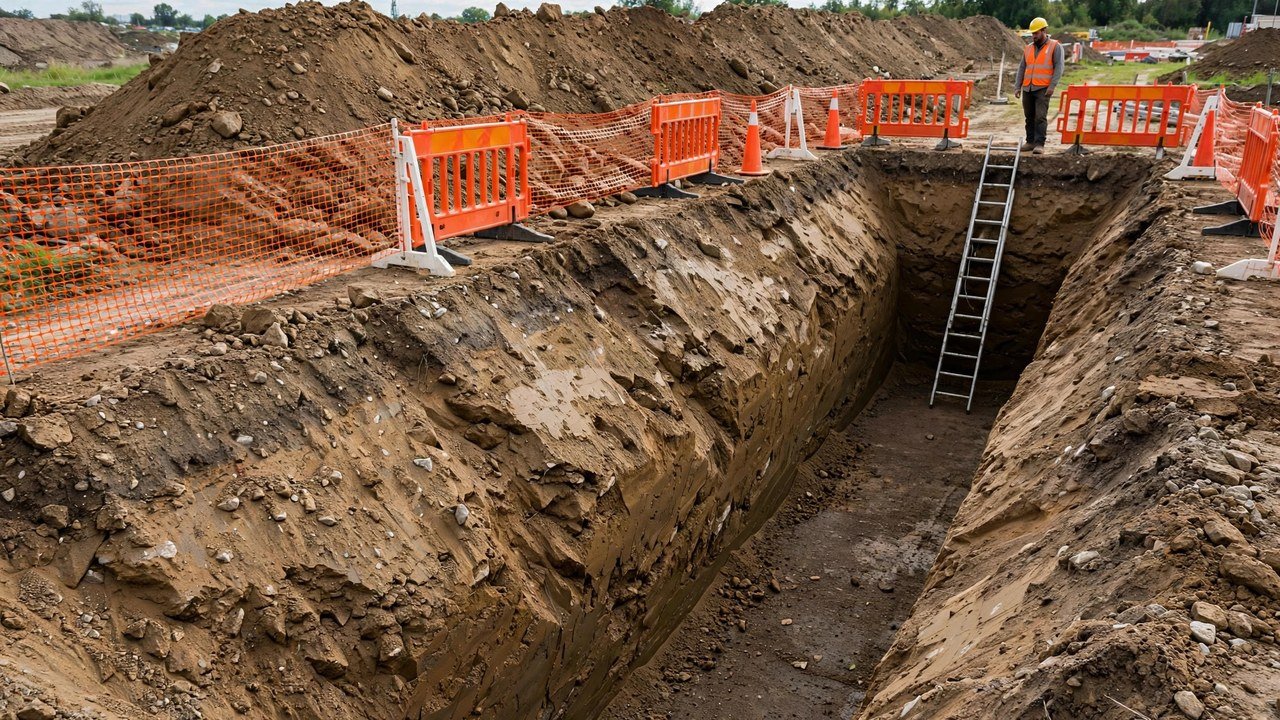
Footing Excavation Volume Safety: Slopes, Setbacks and Quantity
Sloped sides, spoil setbacks, and inspections enlarge every footing dig. Use OSHA's controlling numbers and checked examples to compute the real bank volume.
Read Footing Excavation Volume Safety: Slopes, Setbacks and Quantity
Blog
How to Order Concrete for a Foundation Wall
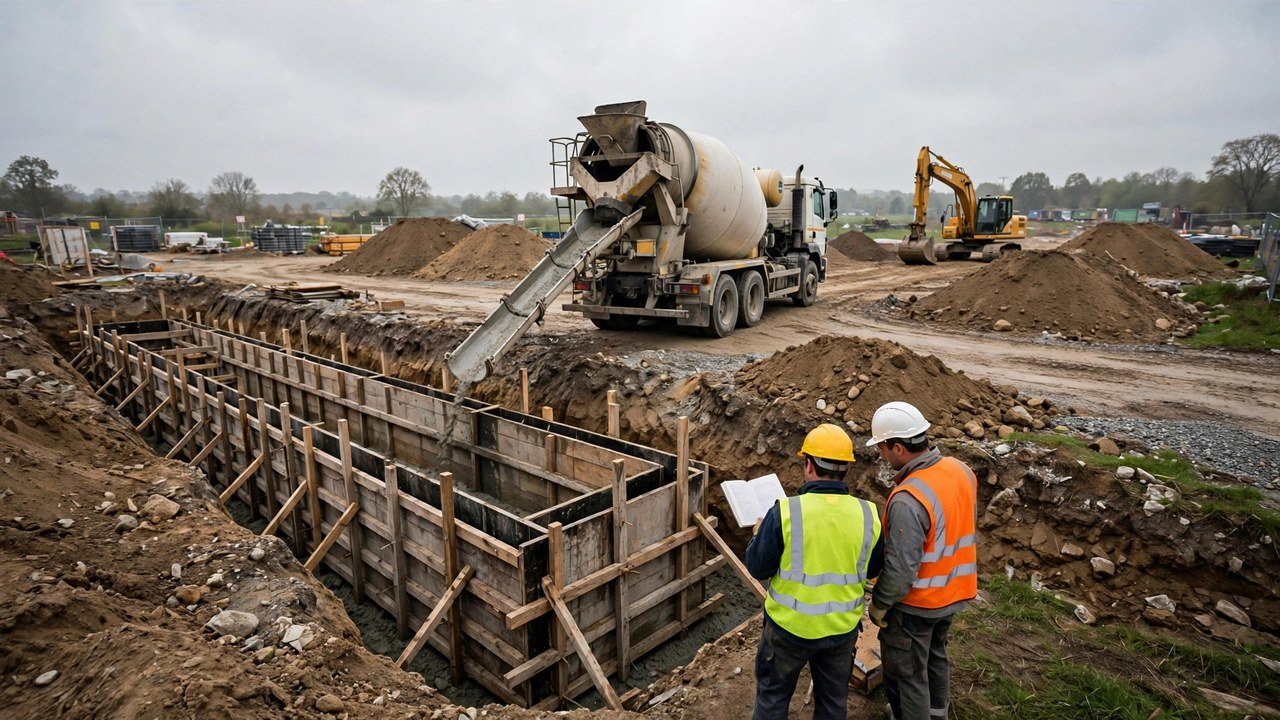
Turn a checked foundation wall volume into a supplier-ready order: net volume plus the project's own allowance, the mix details the supplier needs, delivery planning, and the ticket check when the truck arrives.
Read How to Order Concrete for a Foundation Wall
Blog
Excavation Safety Basics for Foundation Wall Concrete
Excavation safety checks before foundation wall concrete: cave-in protection, spoil and equipment setbacks, access, utility locates, and daily inspection.
Read Excavation Safety Basics for Foundation Wall Concrete
Blog
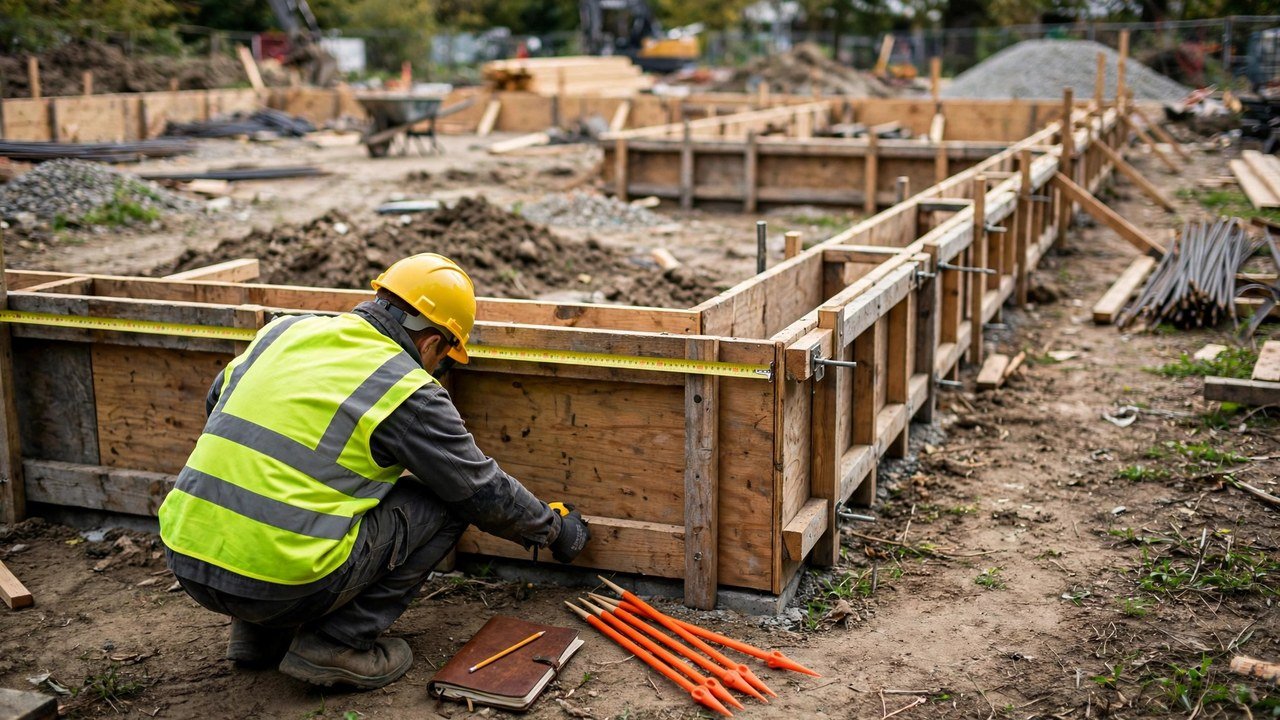
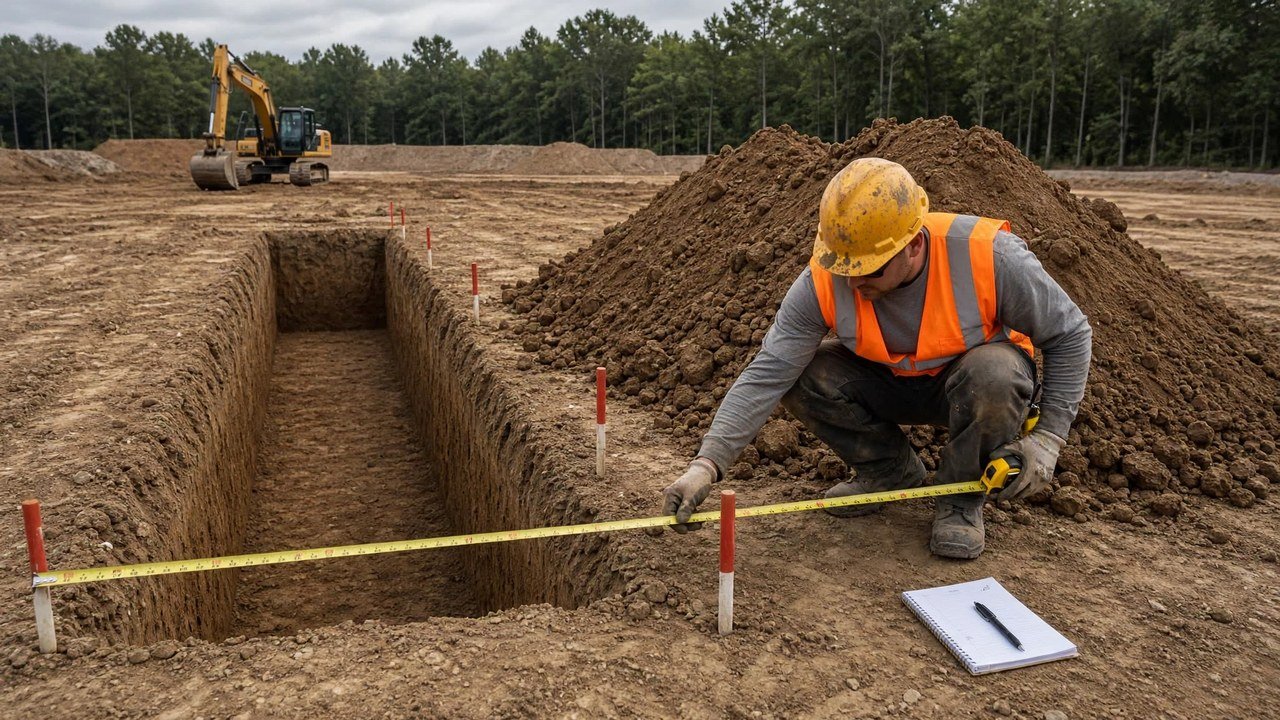
How to Measure Footing Excavation Volume Before You Order
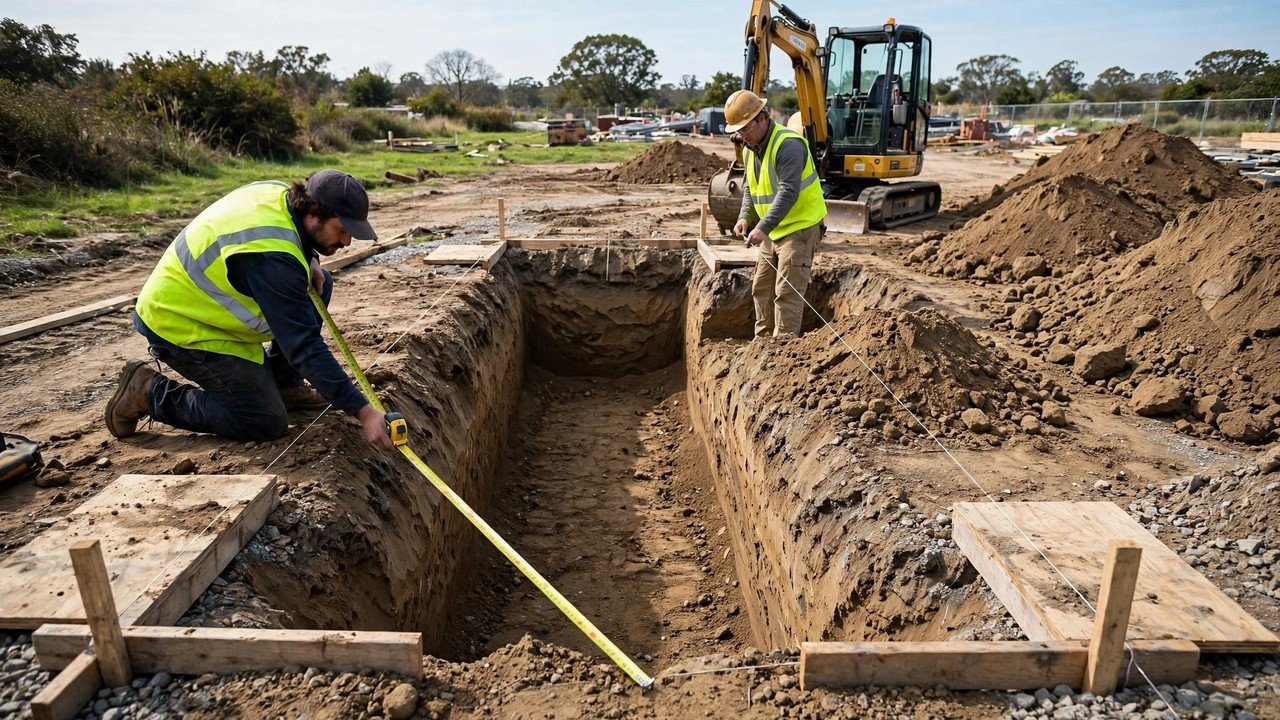
Measure footing excavation the way it gets dug: plan and depth boundaries, sloped or vertical sides, and one arithmetic check before you order or pay.
Read How to Measure Footing Excavation Volume Before You Order
Blog
How to Measure Foundation Wall Concrete Before You Order
Measure a foundation wall's total length, height and thickness in the field, check the arithmetic once, and record a concrete volume you can order from.
Read How to Measure Foundation Wall Concrete Before You Order
Blog
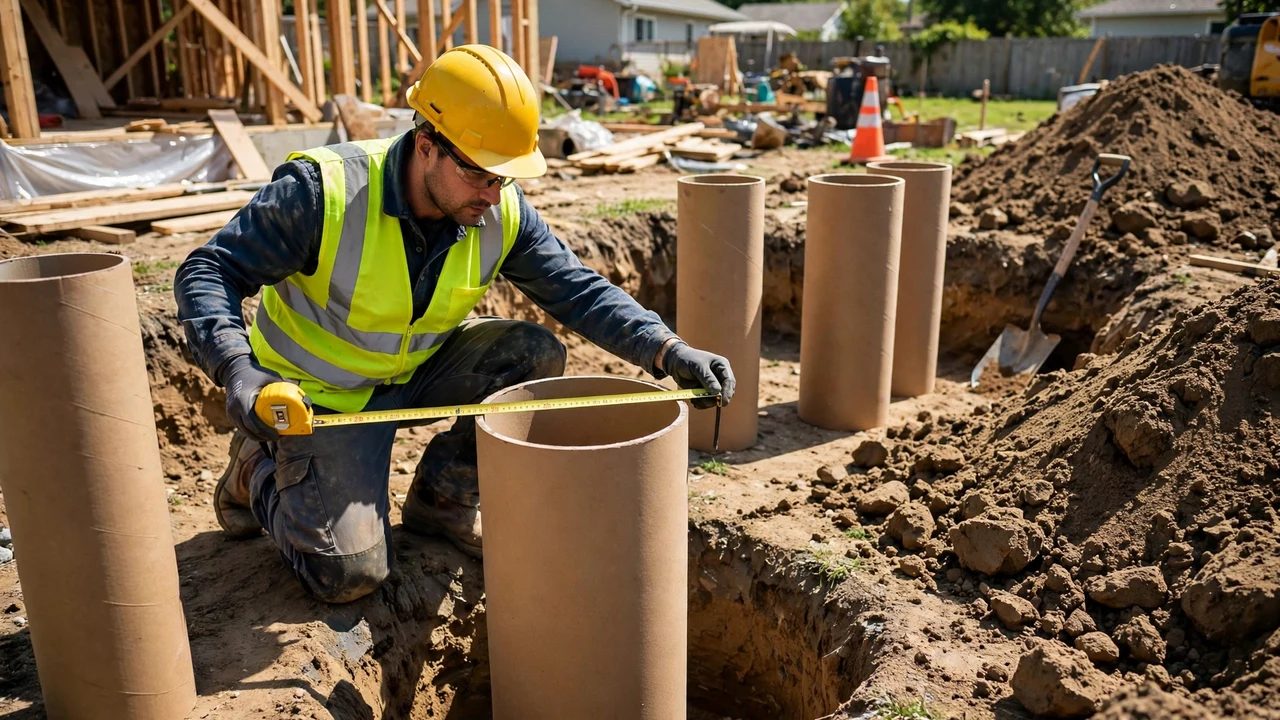
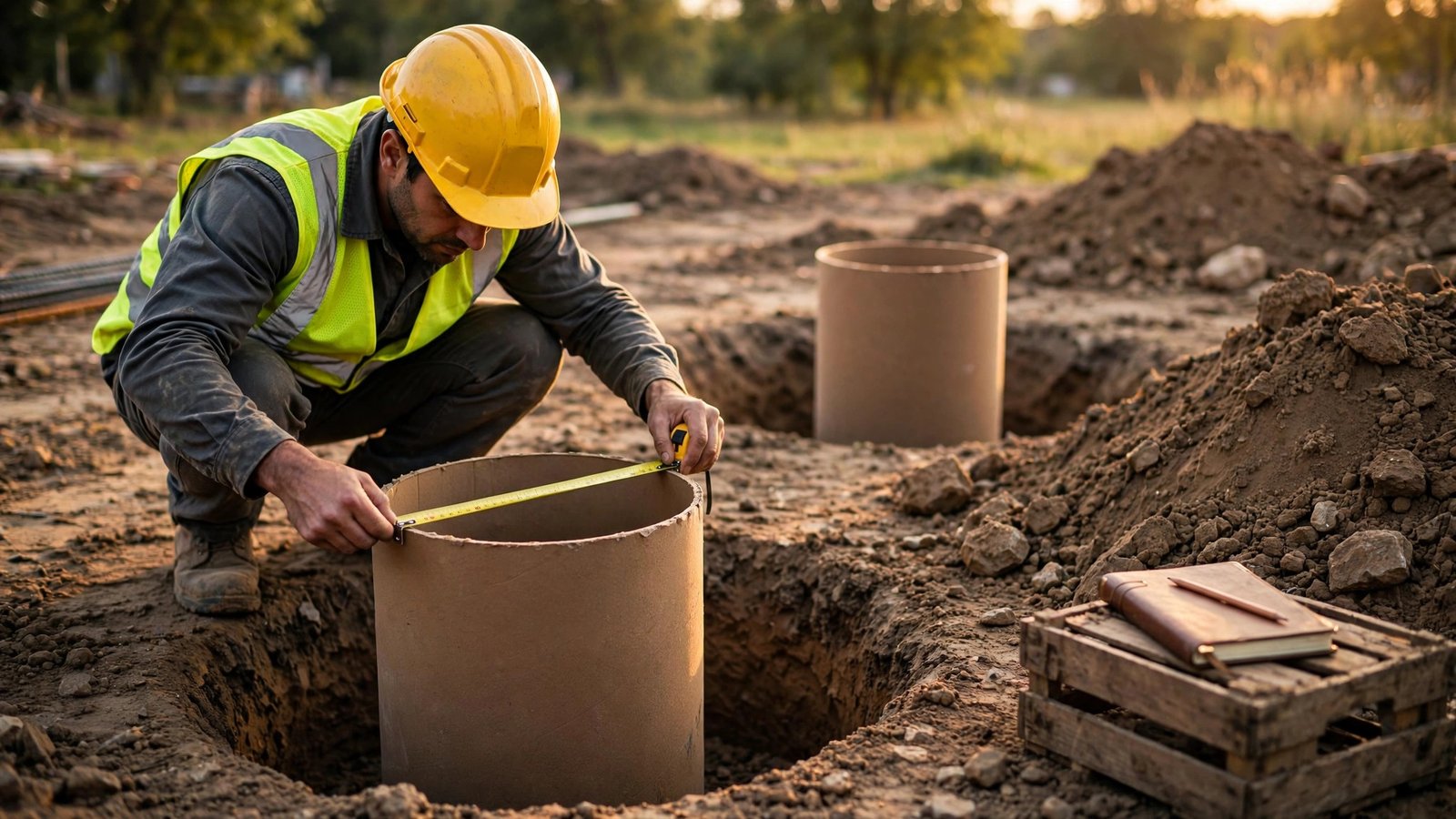
How to Measure a Pier Footing Sonotube Before You Order
Measure the inside diameter, pour height, and footing base of a Sonotube pier footing, then turn the measurements into a checked net concrete volume for the order.
Read How to Measure a Pier Footing Sonotube Before You Order
Blog
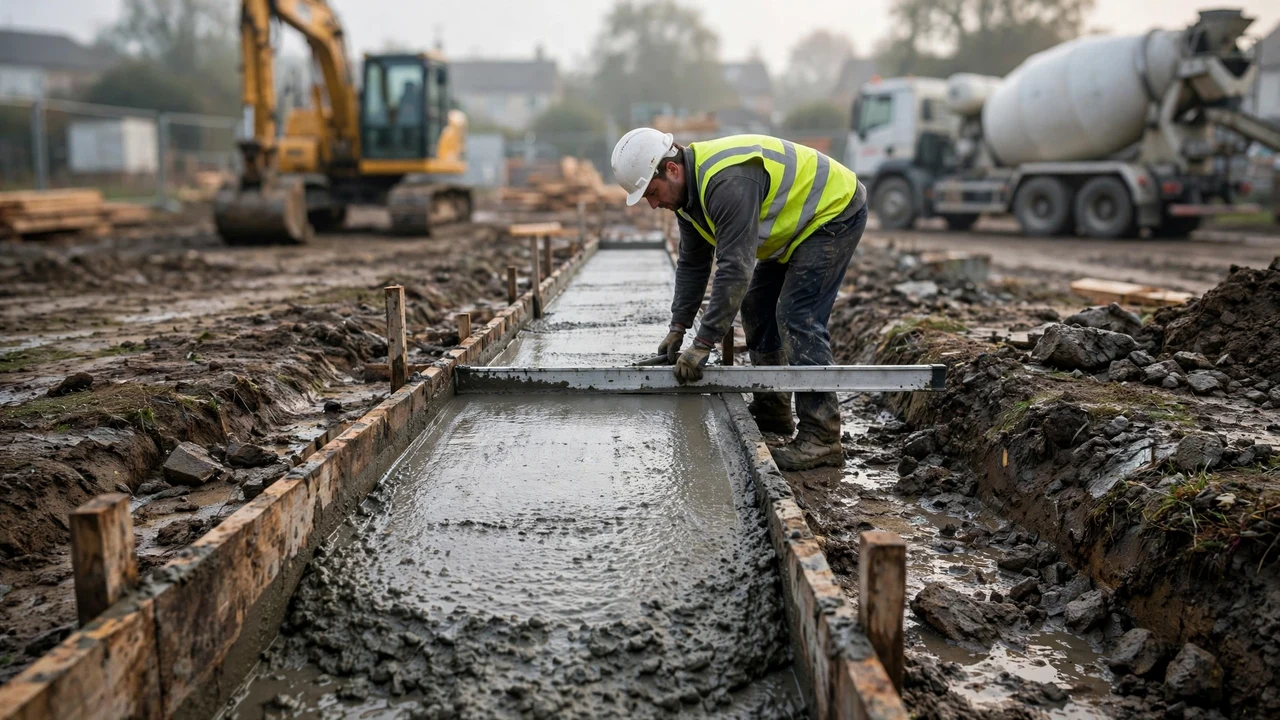
How to Measure Strip Footing Concrete Before You Order
Measure a strip footing's length, width and thickness in the field, check the arithmetic once, and record a concrete volume you can order from.
Read How to Measure Strip Footing Concrete Before You Order
Blog
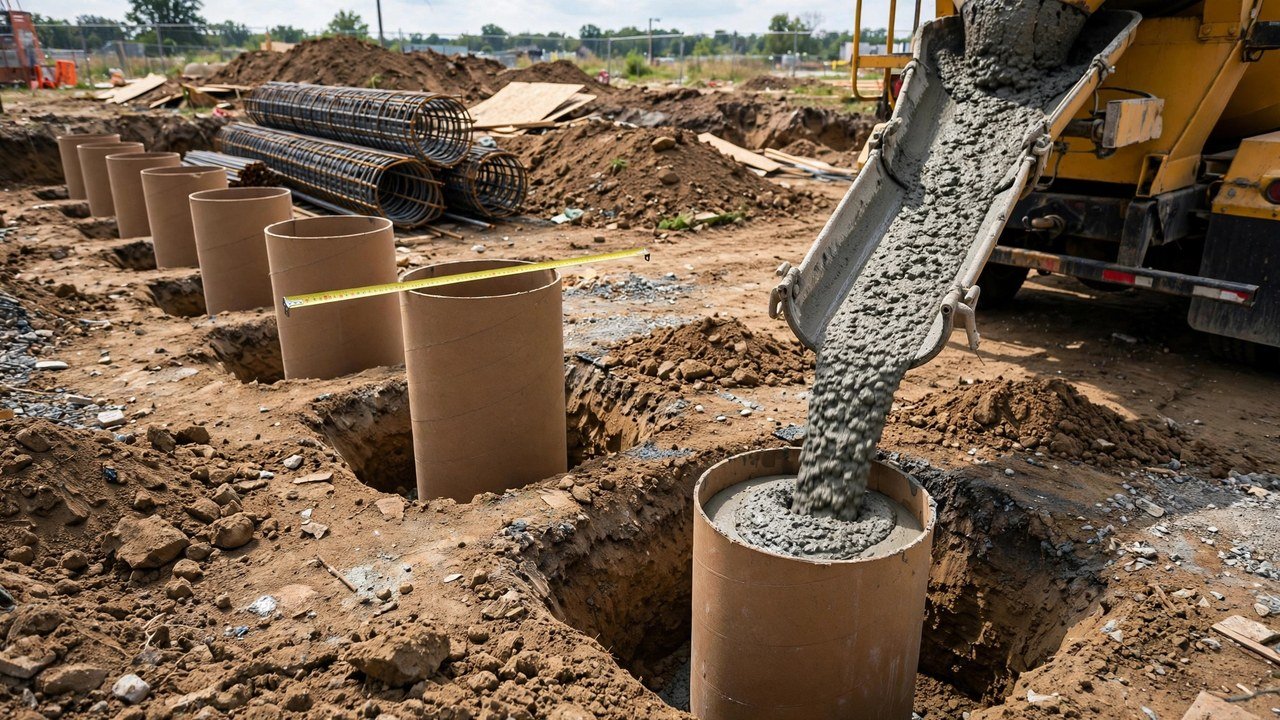
A Worked Example: Pier Footing Sonotube
Six-pier Sonotube worked example: per-pier cylinder volume, six-pier total, cubic-yard conversion, bag count, and a diameter-error check.
Read A Worked Example: Pier Footing Sonotube
Blog
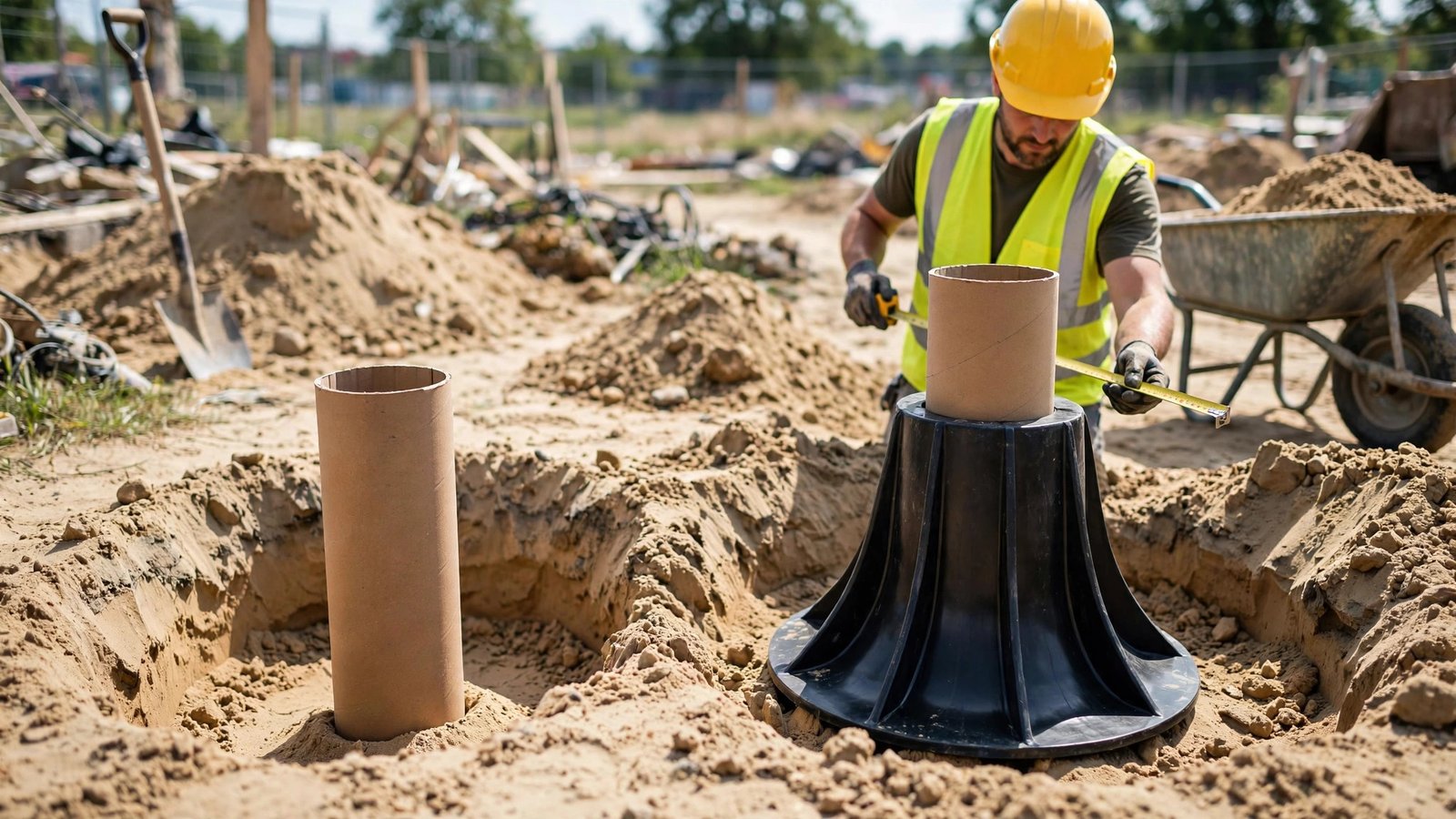
Pier Footing Sonotube Methods: Which Fits Your Project
Compare six pier footing methods, from cardboard form tubes to helical piles, and match one to your soil, load, frost depth, and site access.
Read Pier Footing Sonotube Methods: Which Fits Your Project
Blog
Common Pier Footing Sonotube Calculation Mistakes
Spot the diameter, pour-height, unit, and allowance errors that change a Sonotube pier concrete calculation, and run the five checks that catch them before ordering.
Read Common Pier Footing Sonotube Calculation Mistakes
Blog
Pier Footing Sonotube Ordering: From Measured Piers to Supplier Quantities
Turn measured Sonotube piers into a concrete order: group by geometry, keep wider bases on separate lines, apply a stated allowance, and round to the supplier increment.
Read Pier Footing Sonotube Ordering: From Measured Piers to Supplier Quantities
Blog
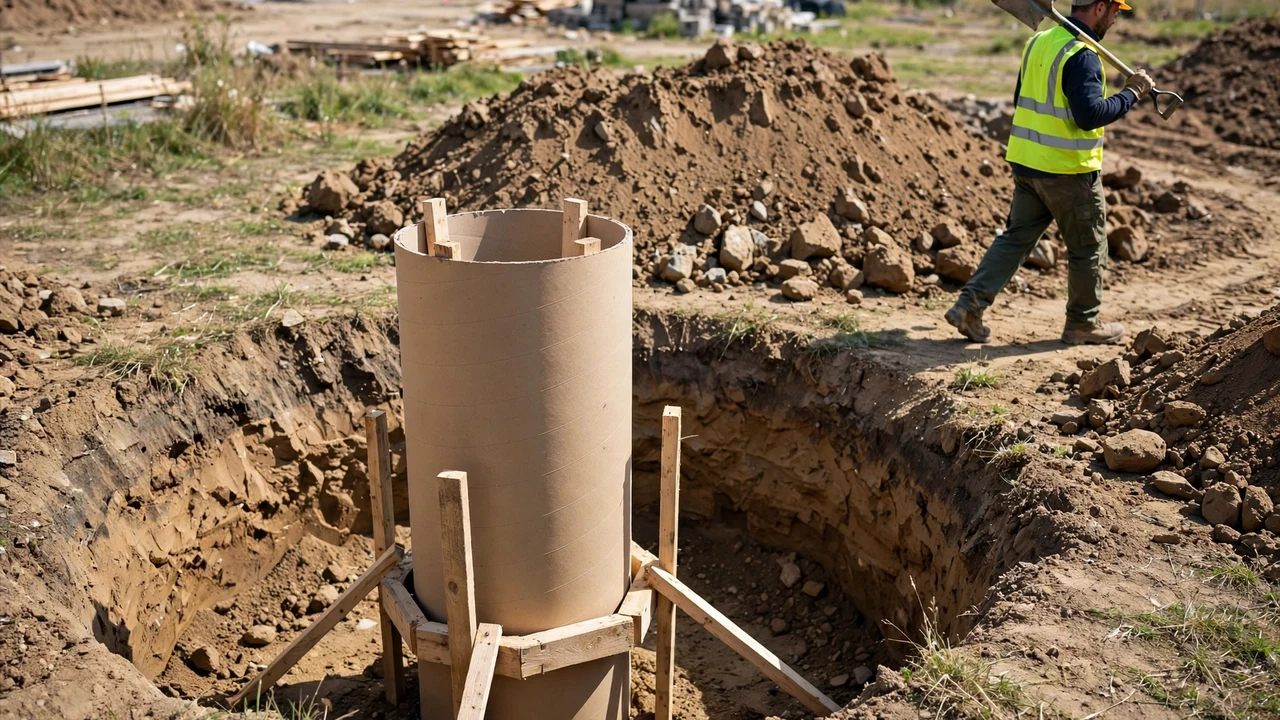
Pier Footing Sonotube Safety: Holes, Forms and the Pour
Keep pier holes and Sonotube forms safe: check utilities before digging, control open holes with setbacks and covers, brace tubes within manufacturer limits, pour to the product rules, and protect skin from wet concrete.
Read Pier Footing Sonotube Safety: Holes, Forms and the Pour
Blog
Strip Footing Concrete Examples
Work through two independently checked strip footing concrete examples: a 40 ft straight run in cubic yards and a metric L-footing with one corner counted once.
Read Strip Footing Concrete Examples
Blog
Common Strip Footing Concrete Calculation Mistakes
Spot the length, thickness, unit, and allowance errors that change a strip footing concrete calculation, and run the five checks that catch them.
Read Common Strip Footing Concrete Calculation Mistakes
Blog
Strip Footing Concrete Ordering: From Measured Runs to Supplier Quantities
Turn measured strip footing runs into a concrete order: segment the layout, handle corners once, keep blinding separate, and apply supplier increments.
Read Strip Footing Concrete Ordering: From Measured Runs to Supplier Quantities
Blog
Strip Footing Concrete Safety: Excavation Basics and the Concrete Order
OSHA excavation rules change the trench a strip footing is poured into. Use the controlling numbers, then compute concrete volume from the dug trench profile.
Read Strip Footing Concrete Safety: Excavation Basics and the Concrete Order
Blog
Verify Footing Excavation Quantities Before Ordering Spoil Removal
Audit a footing excavation measurement record before it becomes a hauling order: boundary check, independent recomputation, unit check, bank-to-loose conversion, and truck-load sign-off.
Read Verify Footing Excavation Quantities Before Ordering Spoil Removal