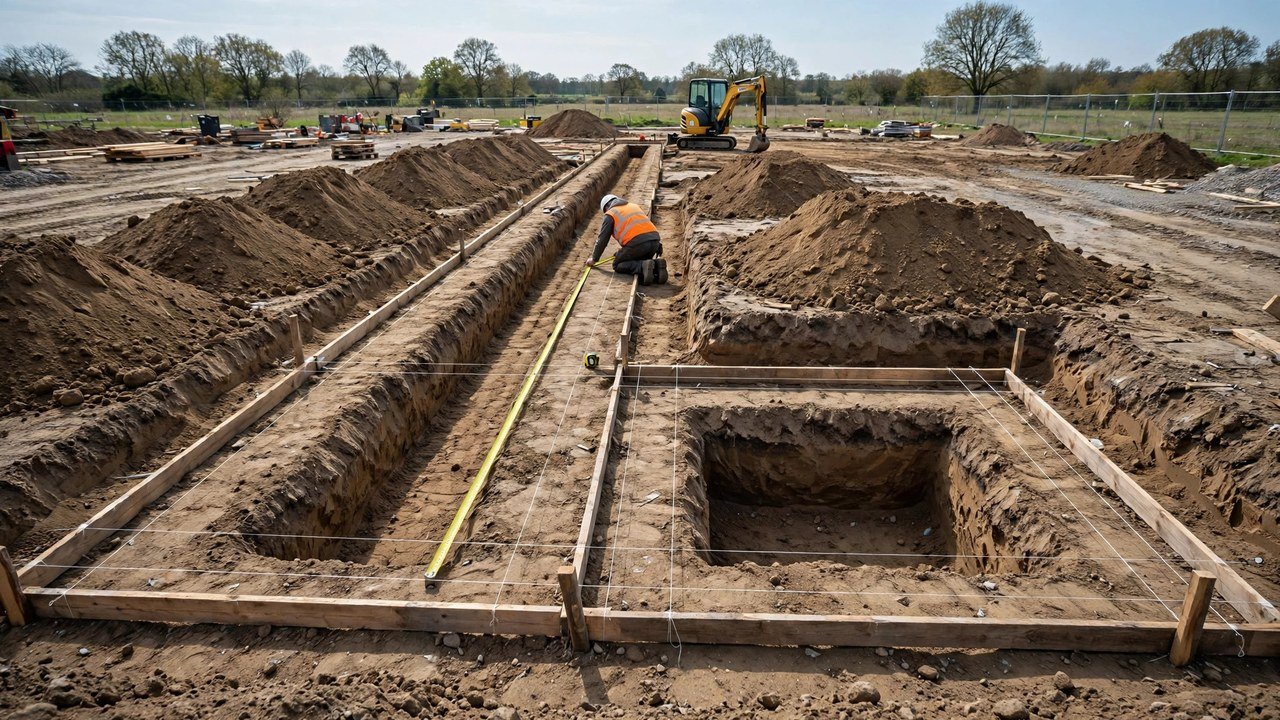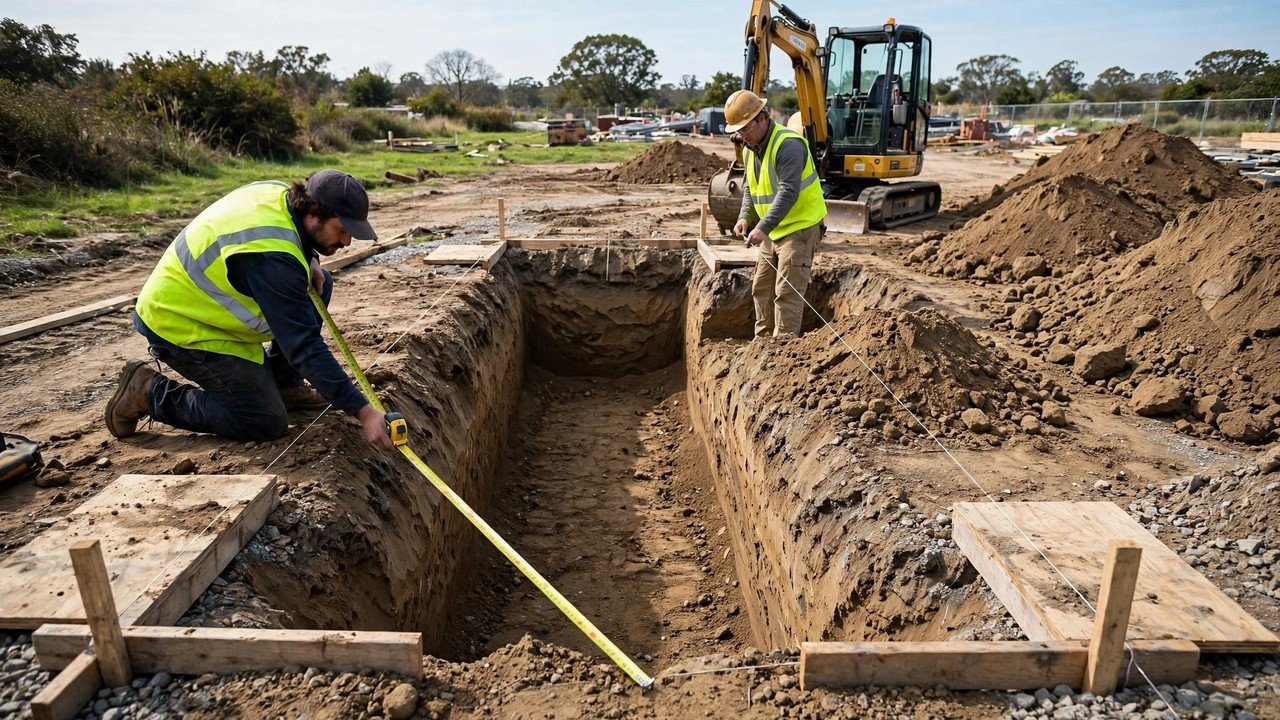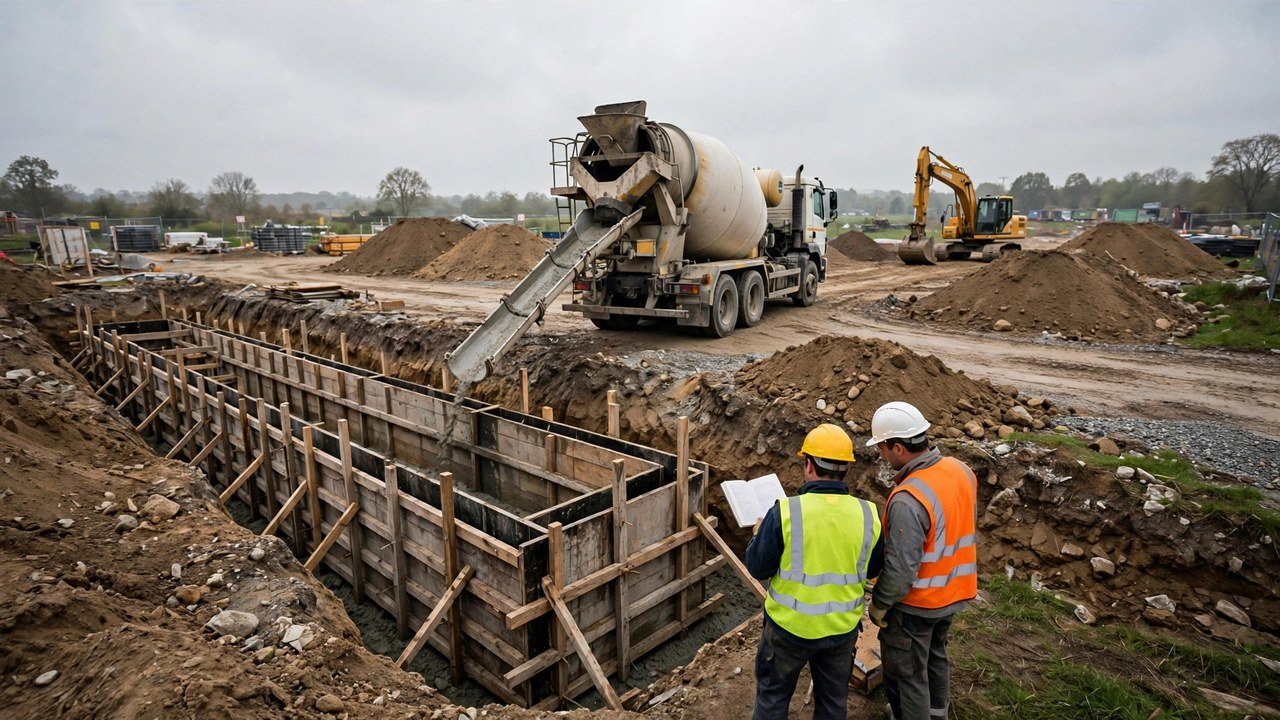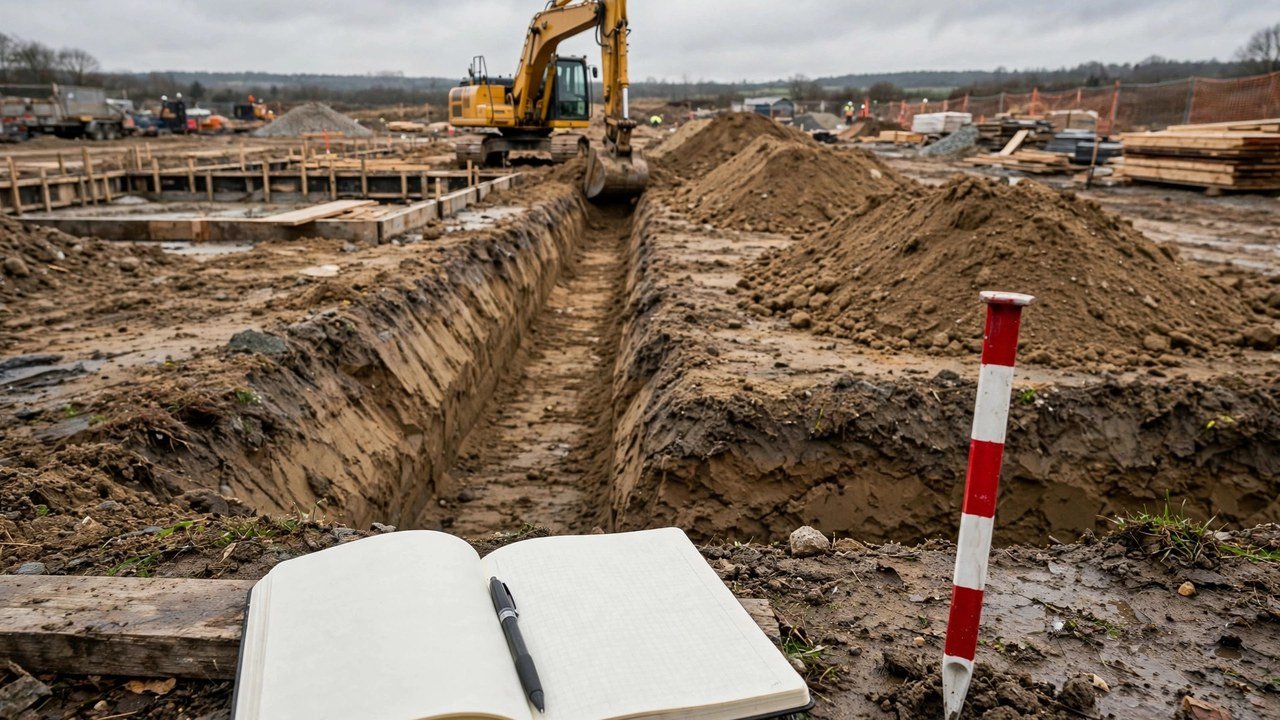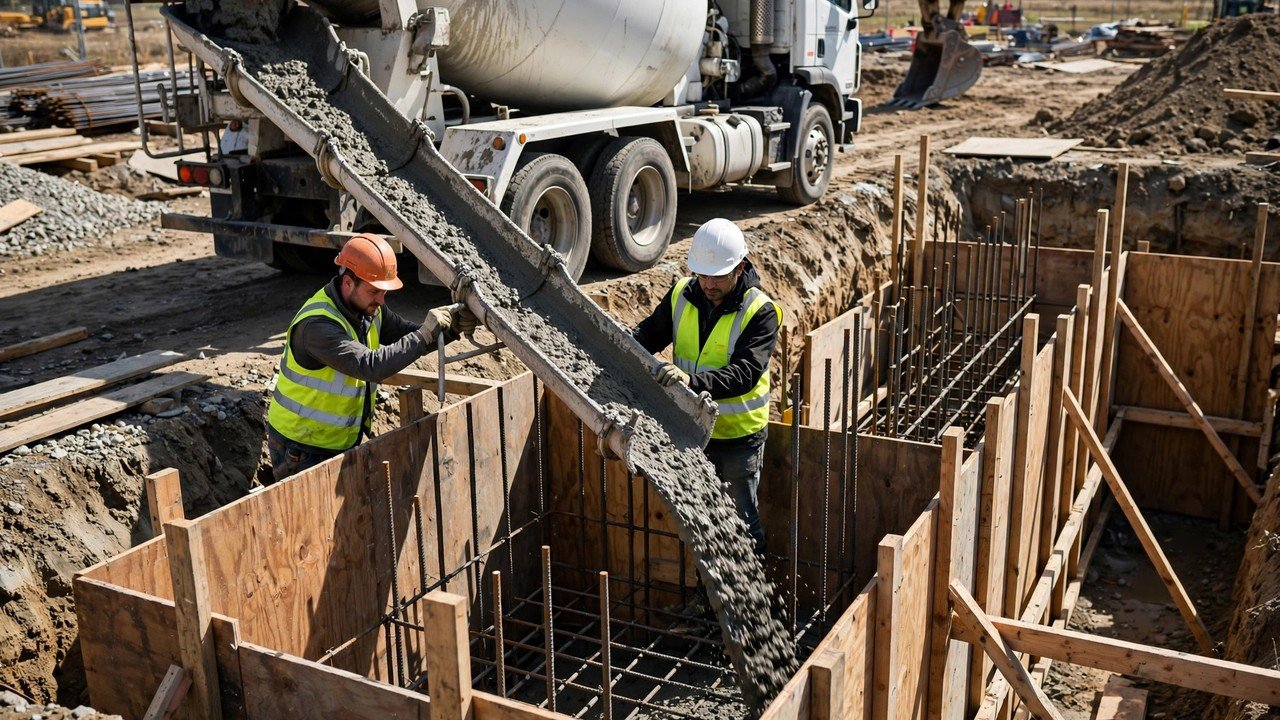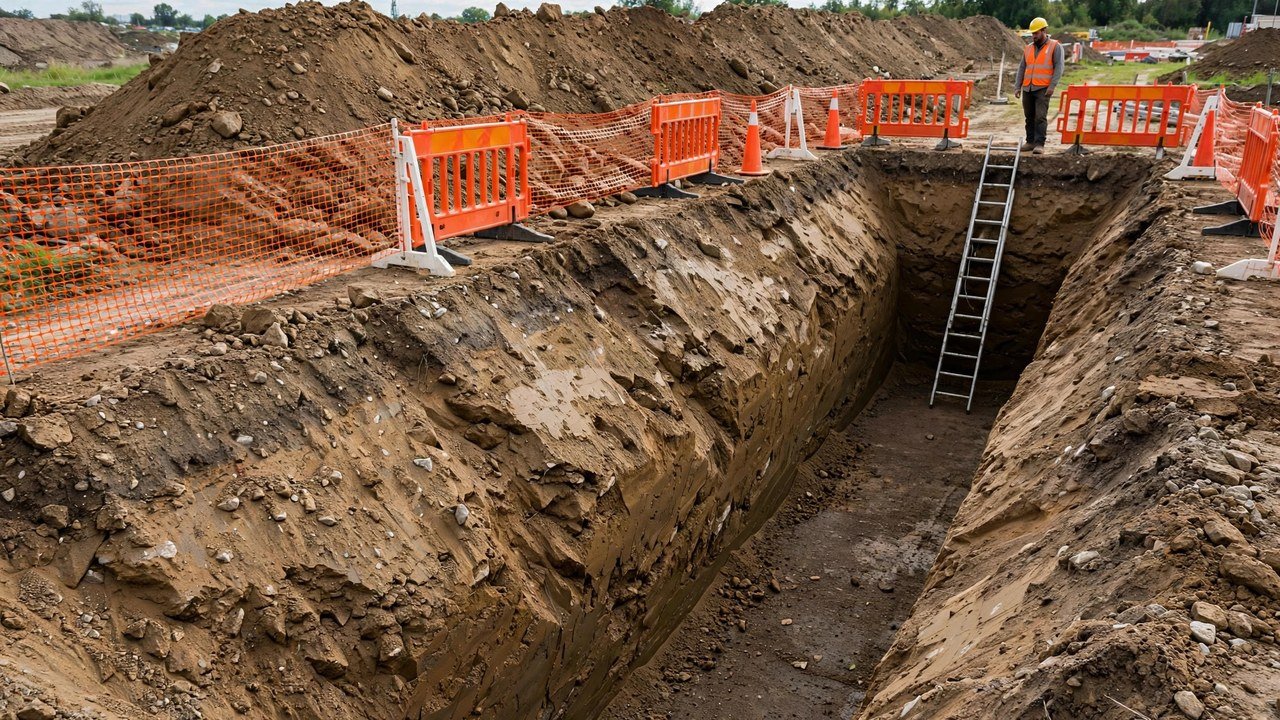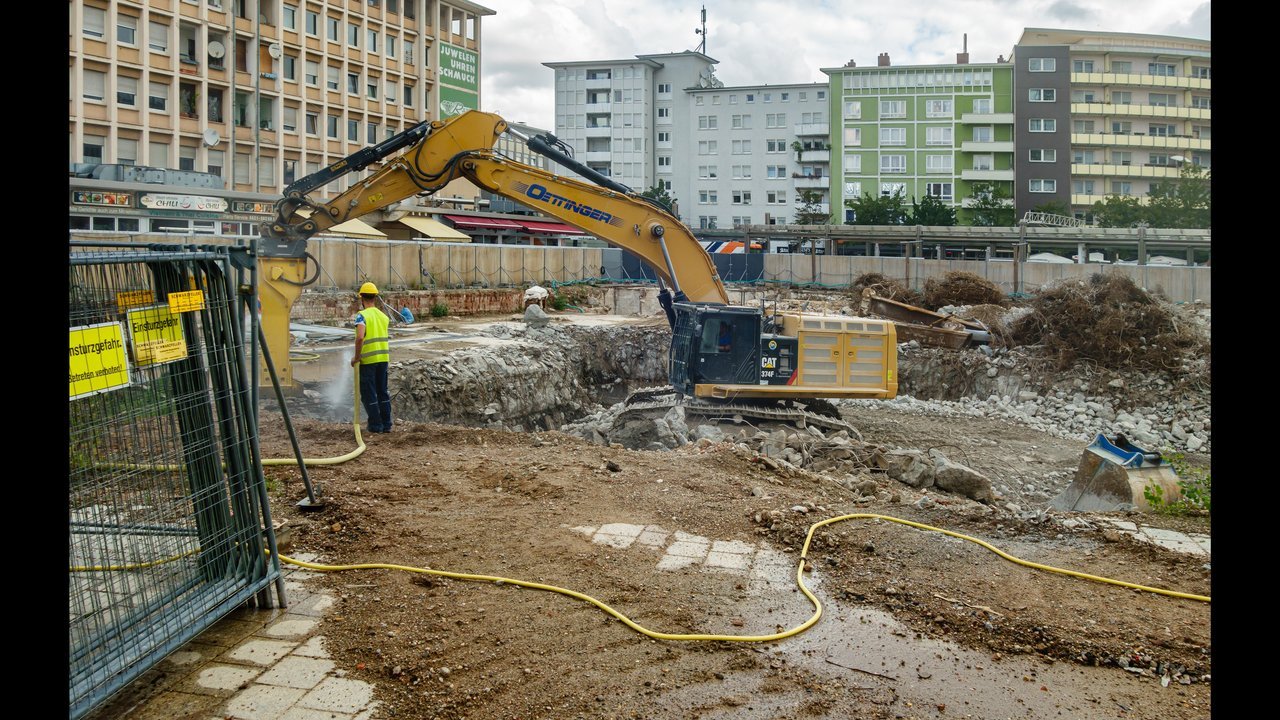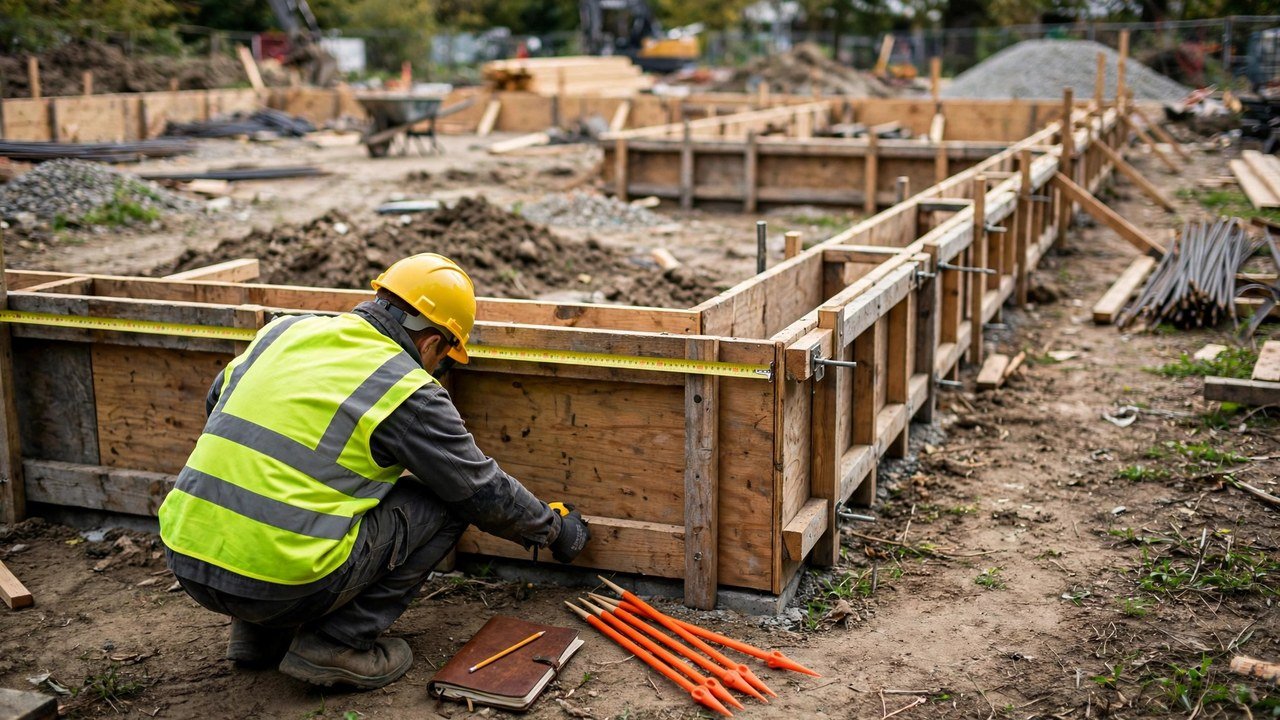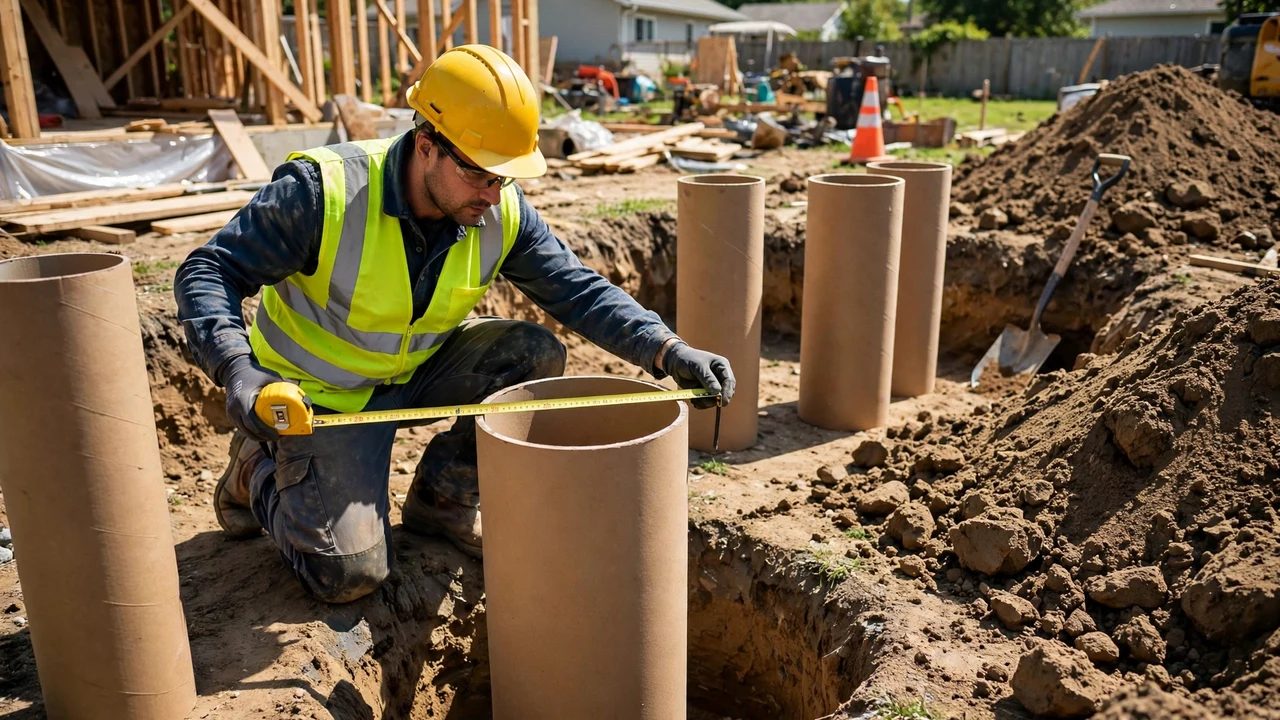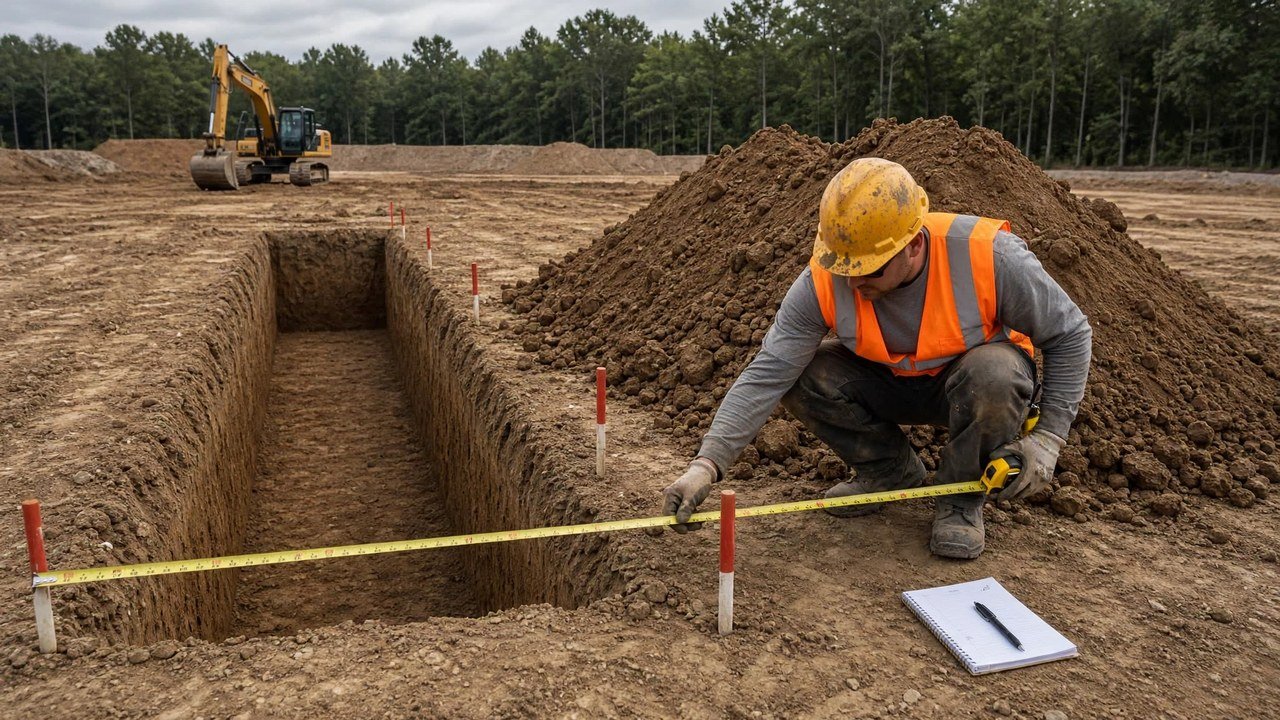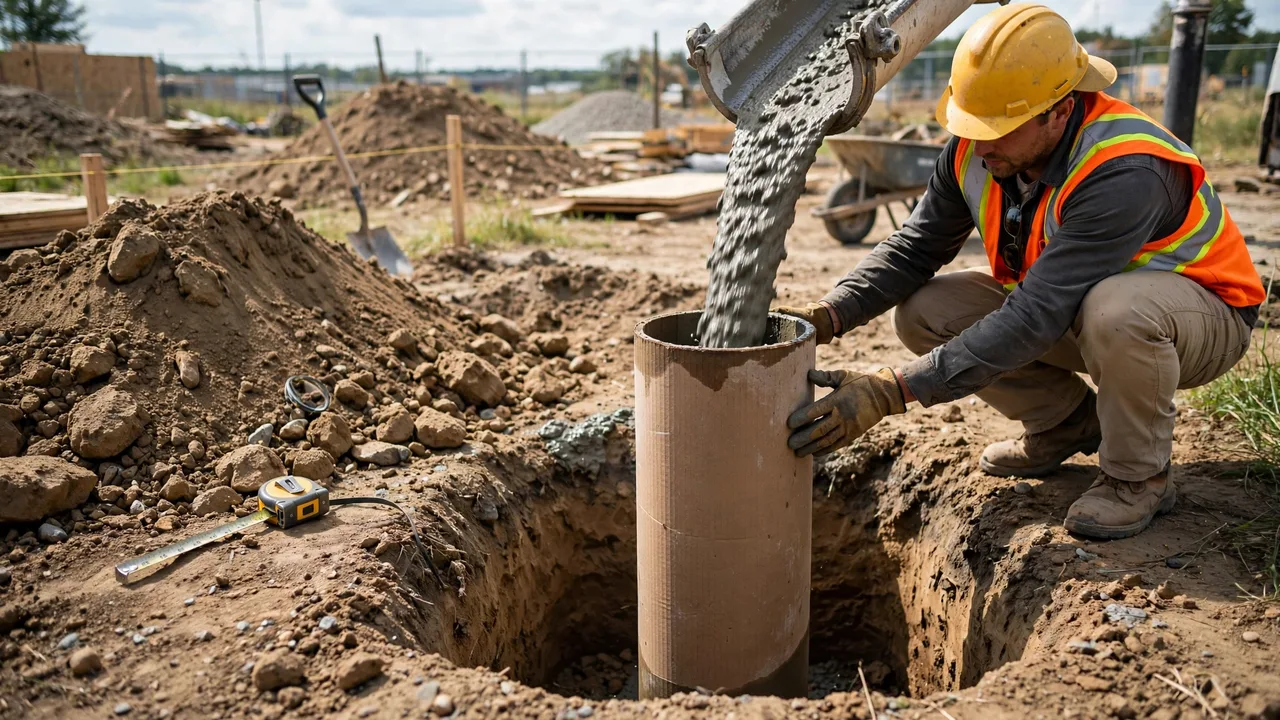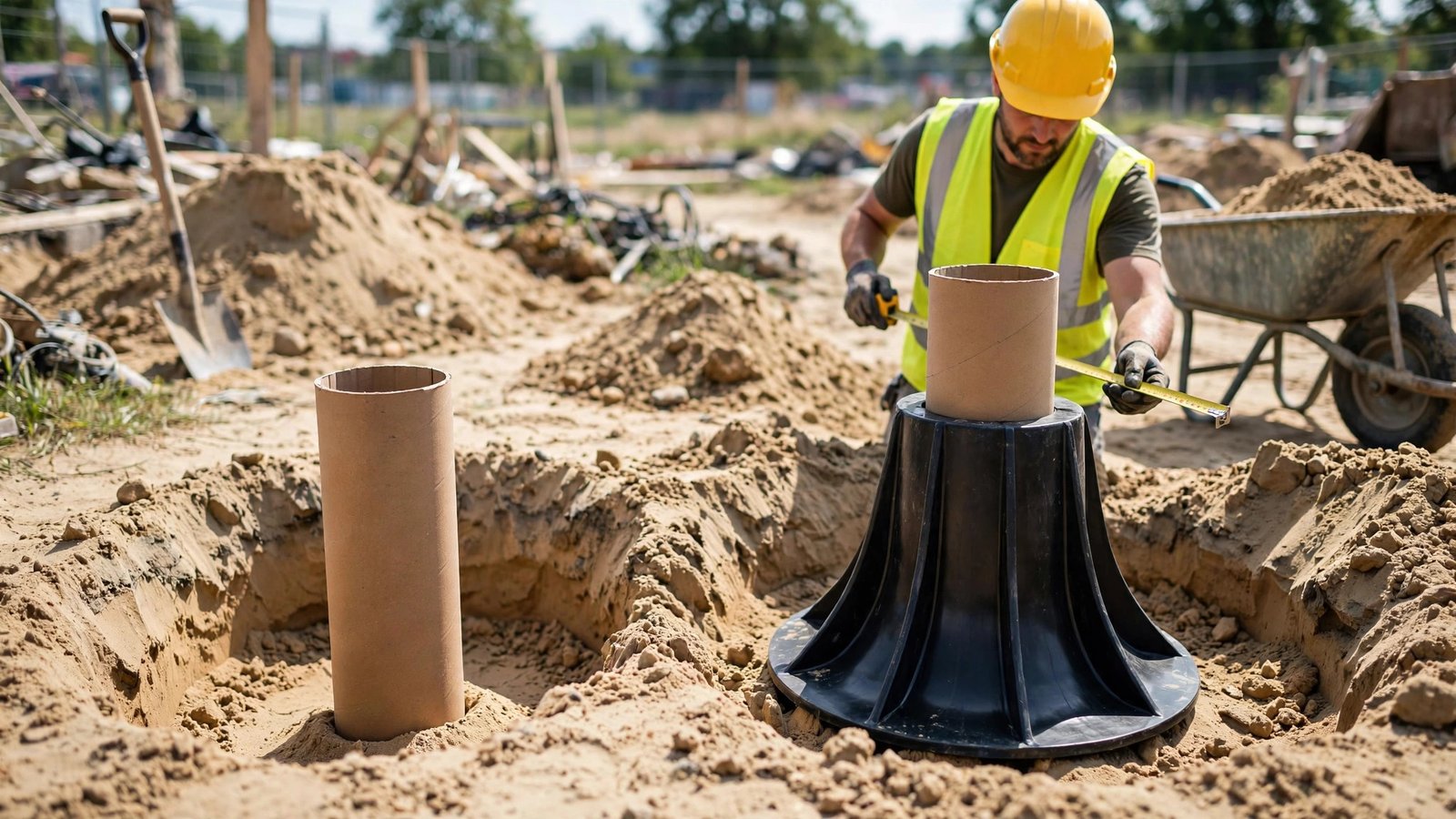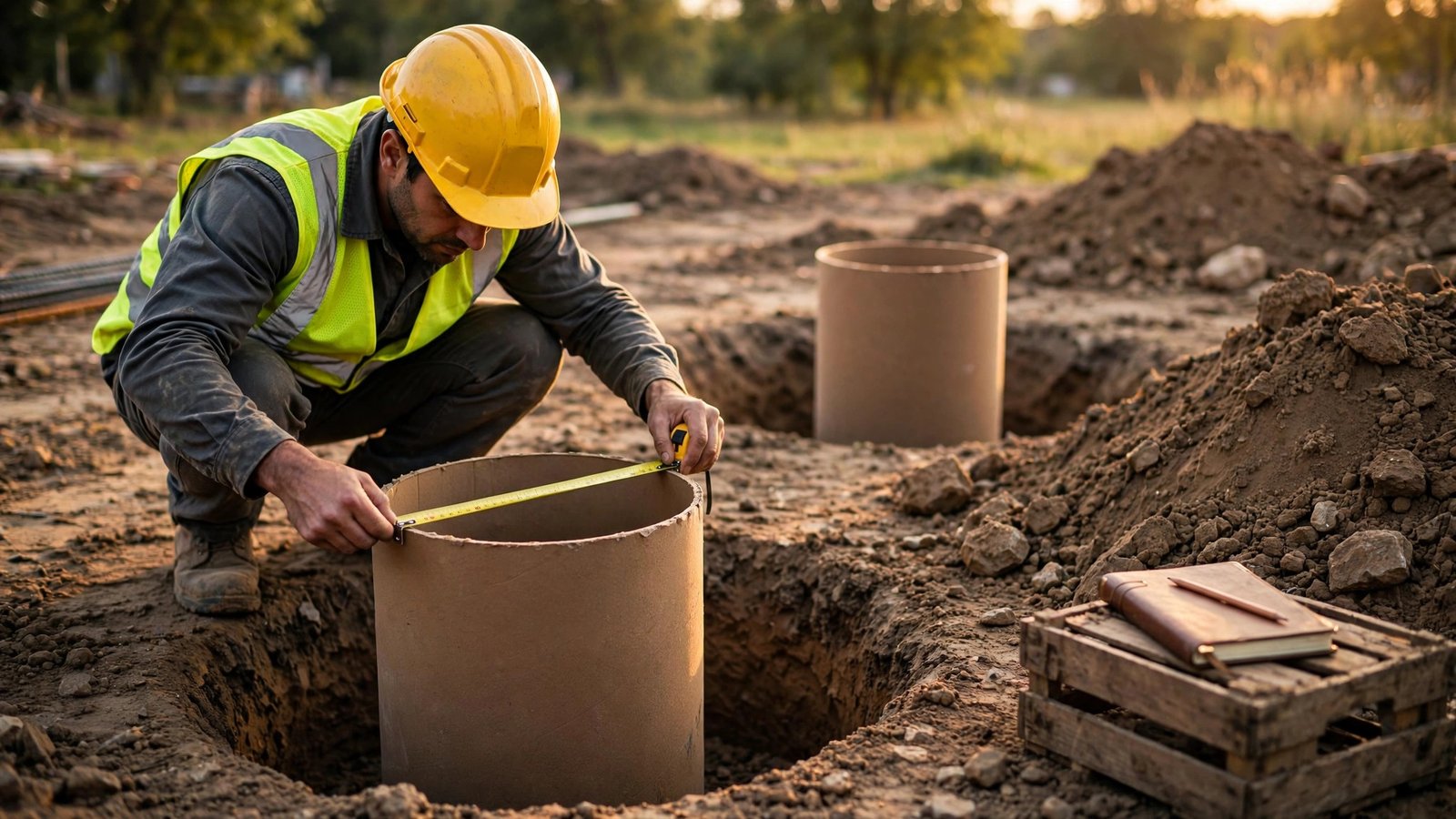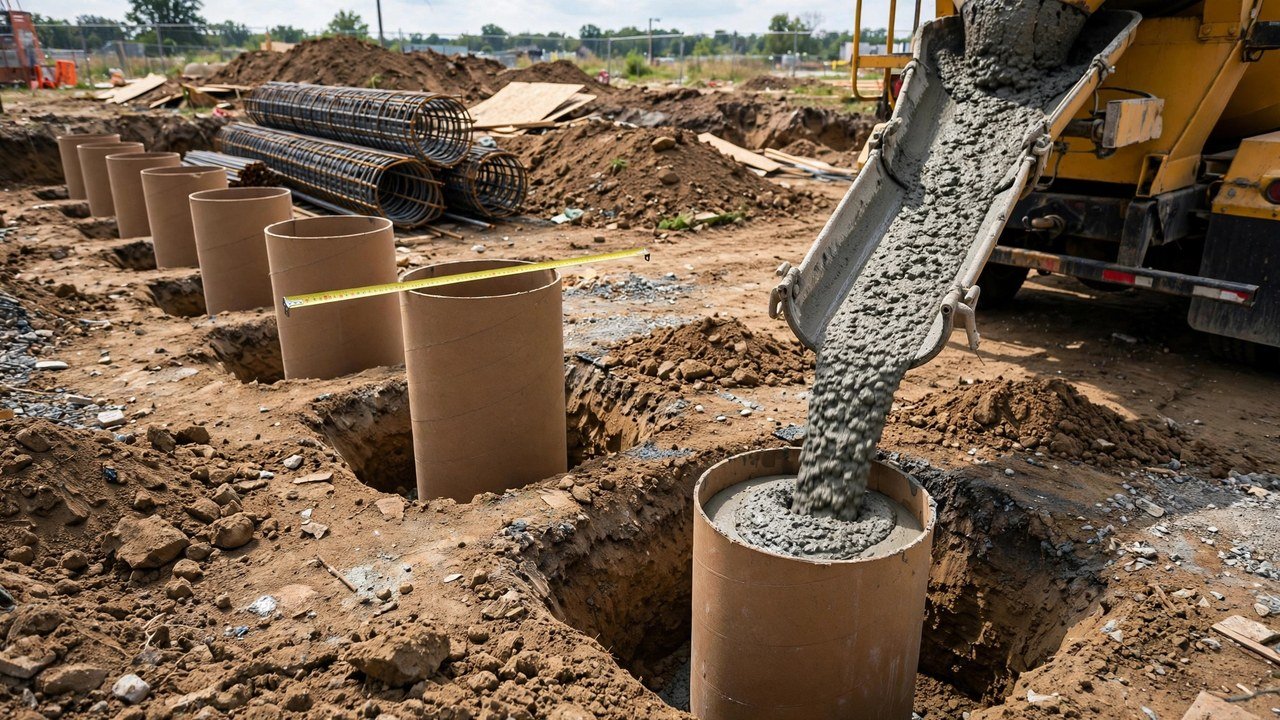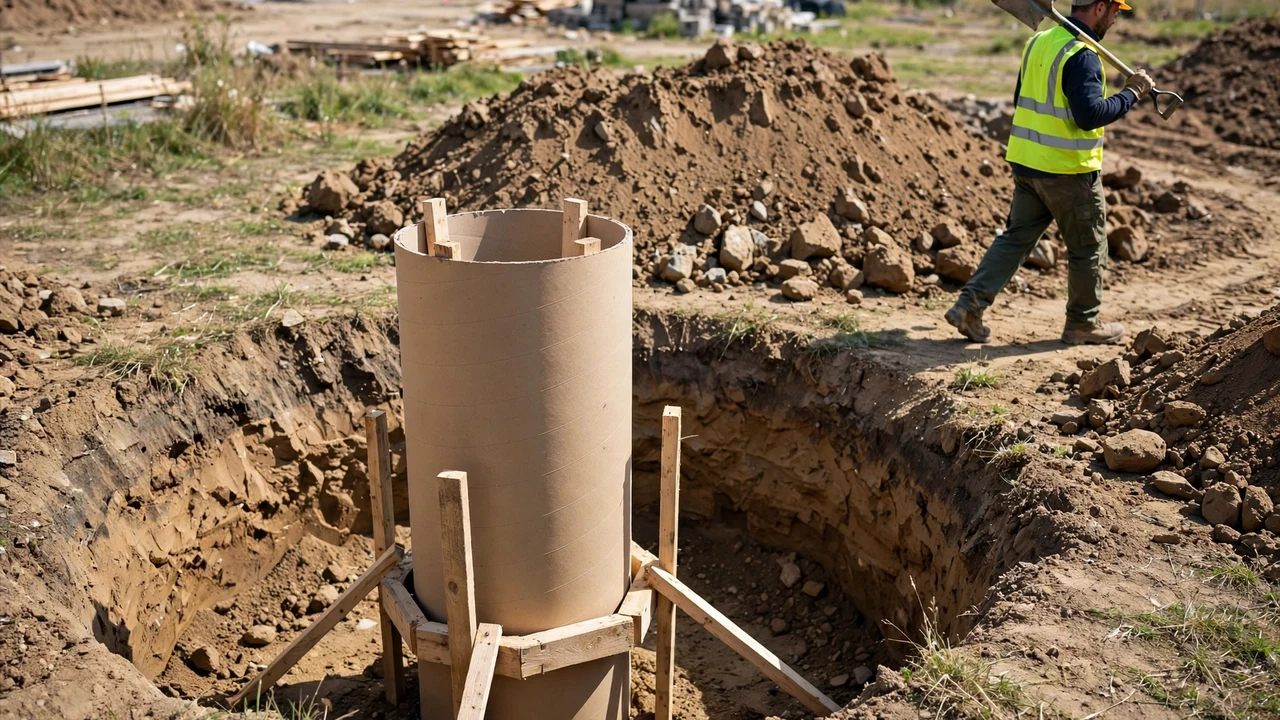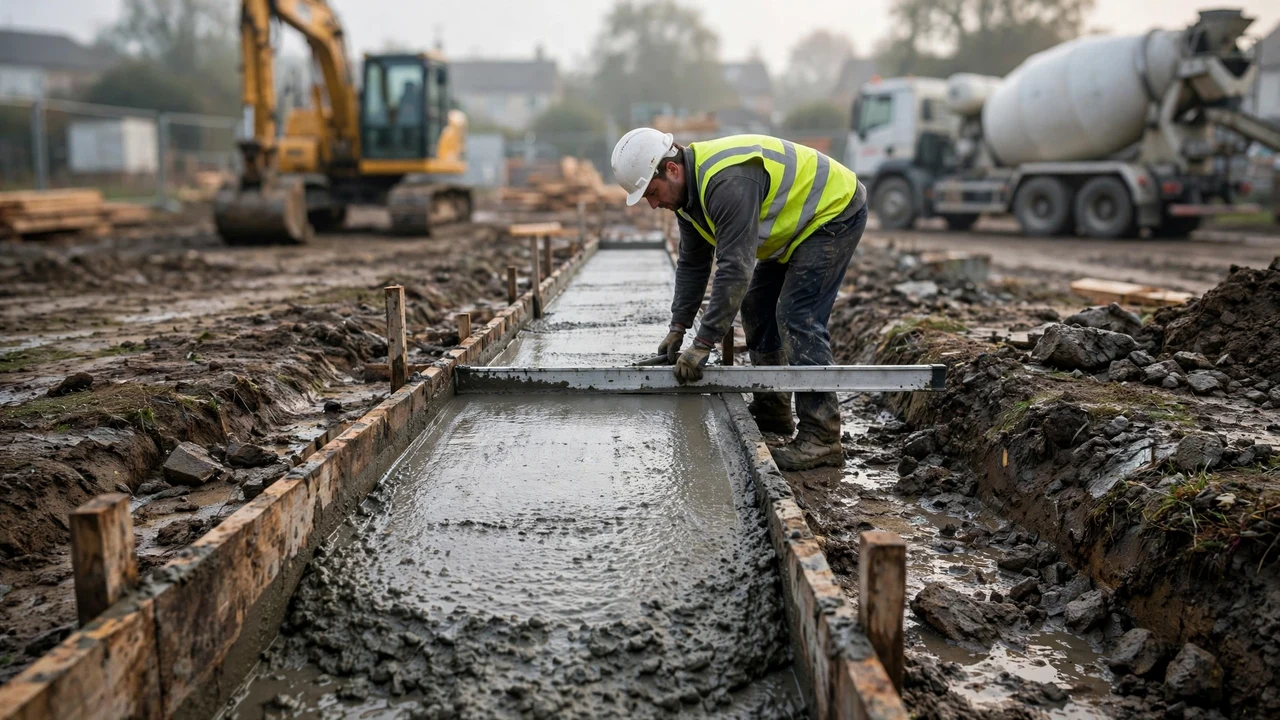
A footing excavation order goes wrong when an unchecked number becomes a truck plan. Run this verification pass on the measurement record before it reaches a hauler: confirm the boundaries, recompute the volume by a different path, check the units, convert bank to loose with a documented swell value, and sign off the truck count.
What does the pre-order verification check?
Four things. The measured boundaries match the approved excavation lines. The arithmetic recomputes correctly by a different path. Every dimension uses one unit system. Bank and loose volumes stay on separate lines. The check ends with a signed record and a truck count.
What do you need before the check starts?
The check audits a completed record, so assemble it first:
- The measurement record: one row per pit or run with an ID, the measured boundaries, the depth, and the calculated volume. The footing excavation measurement guide shows how to build it.
- The approved excavation lines: the drawing or written instruction the field work was supposed to follow.
- A project-documented swell value: from the hauler, geotechnical data, or a site test. A guessed percentage has no place in an order.
- The usable truck body capacity for the hauling equipment on this project.
- One person responsible for the sign-off: the foreman, the contractor, or the client.
How do you run the verification?
Work through the record in this order:
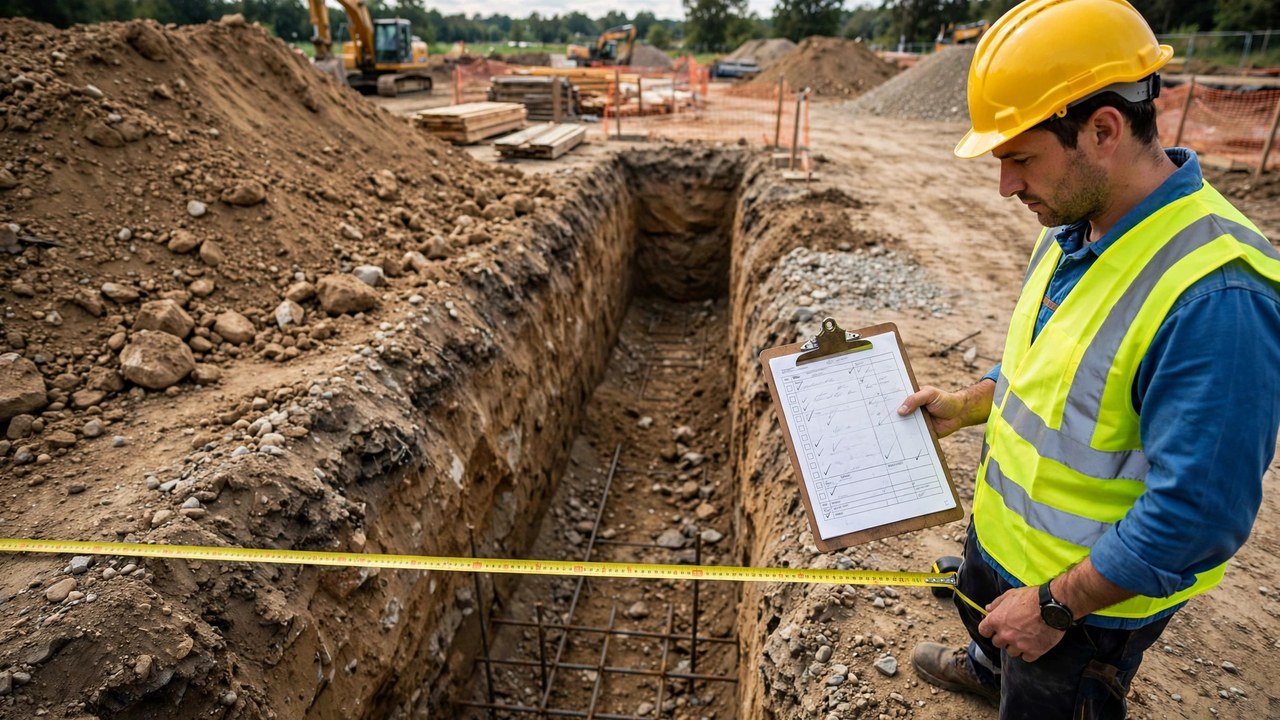
- Boundary audit. Compare each measured boundary against the approved excavation lines. Put over-dig beyond the approved lines on its own line. It stays out of the order quantity until the project record accepts it.
- Independent recomputation. Recompute each volume by a different path: split a run into halves, recompute a pit in layers, or apply the average end area method to the cross sections. The two paths must agree.
- Unit check. Confirm one unit system per row before any multiplication, then verify the conversions: 1 yd³ = 27 ft³; 1 m³ = 35.3147 ft³.
- Bank and loose separation. The measured excavation is a bank (in-place) quantity. Convert it with the documented swell value: loose = bank × (1 + swell % ÷ 100). Keep both numbers on the record.
- Truck plan. Divide the loose volume by the usable truck body capacity and round up to whole loads. A partial load still needs a truck.
- Sign-off. Add one signature and date line: verified bank total, swell source, loose total, and truck count.
Worked example: a 15 m strip run becomes 3 truck loads
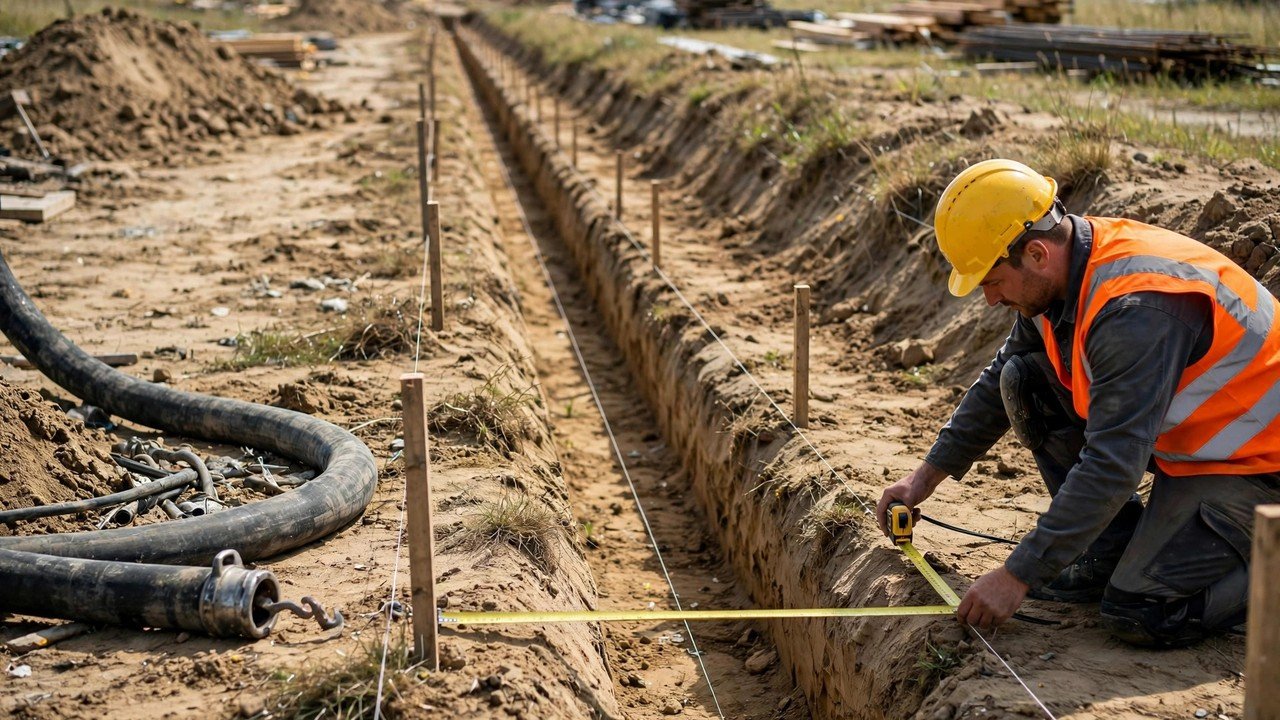
Strip run STR1 has vertical sides and measures 15.0 m long, 1.0 m wide, and 1.4 m deep.
- Bank volume: 15.0 × 1.0 × 1.4 = 21.000 m³.
- Independent check in two 7.5 m halves: 7.5 × 1.0 × 1.4 = 10.500 m³ per half. 10.500 + 10.500 = 21.000 m³. Both paths agree.
- Unit cross-check: 21.000 × 35.3147 = 741.6 ft³; 741.6 ÷ 27 = 27.47 yd³.
- Loose volume: the project record documents 20% swell for this soil, confirmed with the hauler. 21.000 × 1.20 = 25.200 m³.
- Truck loads: 25.200 ÷ 9 = 2.80, which rounds up to 3 loads of 9 m³ usable body.
The 20% swell and the 9 m³ body are project fixtures for this example, not recommended values. A real order uses the project's own numbers.
What do you do when the numbers don't agree?
Stop the order and fix the record:
- As-dug wider or deeper than the approved lines: keep the excess on its own line as over-dig and confirm acceptance before it enters any quantity. Field specifications in highway practice deduct unauthorized over-excavation from the pay quantity.
- Missing depth readings: re-measure the section. One changing section needs its own depth readings.
- Mixed units: convert the row to one unit system before multiplying.
- Bank confused with loose: ordering trucks from the bank number books too few loads. The loose conversion belongs on the record, not in someone's head.
- Rounded rows: combine the unrounded volumes first, then convert and round the order quantity. The footing excavation mistakes guide shows how each of these errors changes the result.
What limits apply to this verification?
This verification checks arithmetic and boundaries. It does not approve excavation safety, ground bearing, or footing design. Quantity planning does not replace drawings, permits, codes, or a qualified professional.
In covered U.S. work, excavations 5 ft (1.52 m) or deeper need a protective system unless the stated exceptions apply. Never enter an excavation to re-measure unless the approved safe method permits it. A laser level or total station measures from a safe position.
Swell depends on the soil, moisture, and handling on the specific project. This page publishes no universal swell factor. Confirm the value with the hauler or geotechnical source and record where it came from.
Sources and source scope
- Kentucky Transportation Cabinet, Standard Specifications, Division 200, Earthwork (2004): field-measured excavation by the average end area method; unauthorized over-excavation deducted.
- Florida DOT, Plans Preparation Manual, Vol. 1, Chapter 3, Earthwork Quantities (2013R): average end area formula for earthwork quantities.
- California DOT, Construction Manual, Section 4-19 (2019): verify the planned ground surface before excavation; determine the theoretical volume from planned or authorized cross sections.
- NIST Handbook 133 (2026), Appendix E: cubic-foot, cubic-yard, and cubic-metre unit relationships.
- OSHA 29 CFR 1926.652: protective systems for excavations in covered U.S. work.
Source scope: The DOT manuals support measurement and verification methods within their stated highway scopes. NIST supports the unit relationships. OSHA supports excavation safety conditions in covered U.S. work. None of these sources sets a swell factor, designs the footing, or approves an order quantity for a specific project.
Run the checked numbers through the Footing Excavation Volume Calculator to total identical pits, apply the documented swell value, and plan truck loads. The Foundation Quantity Planning Tools and Guides hub lists the related calculators and guides, and the bank vs loose volume guide explains how to source a swell factor for a real project.
Review note: Saleem Sial owns the research and editorial record. Formula fixtures, source checks, build validation, and rendered QA form the internal publication gate. Waseem Sial, External Reviewer, Engineer, is listed for ongoing external review; no completed review date is claimed.